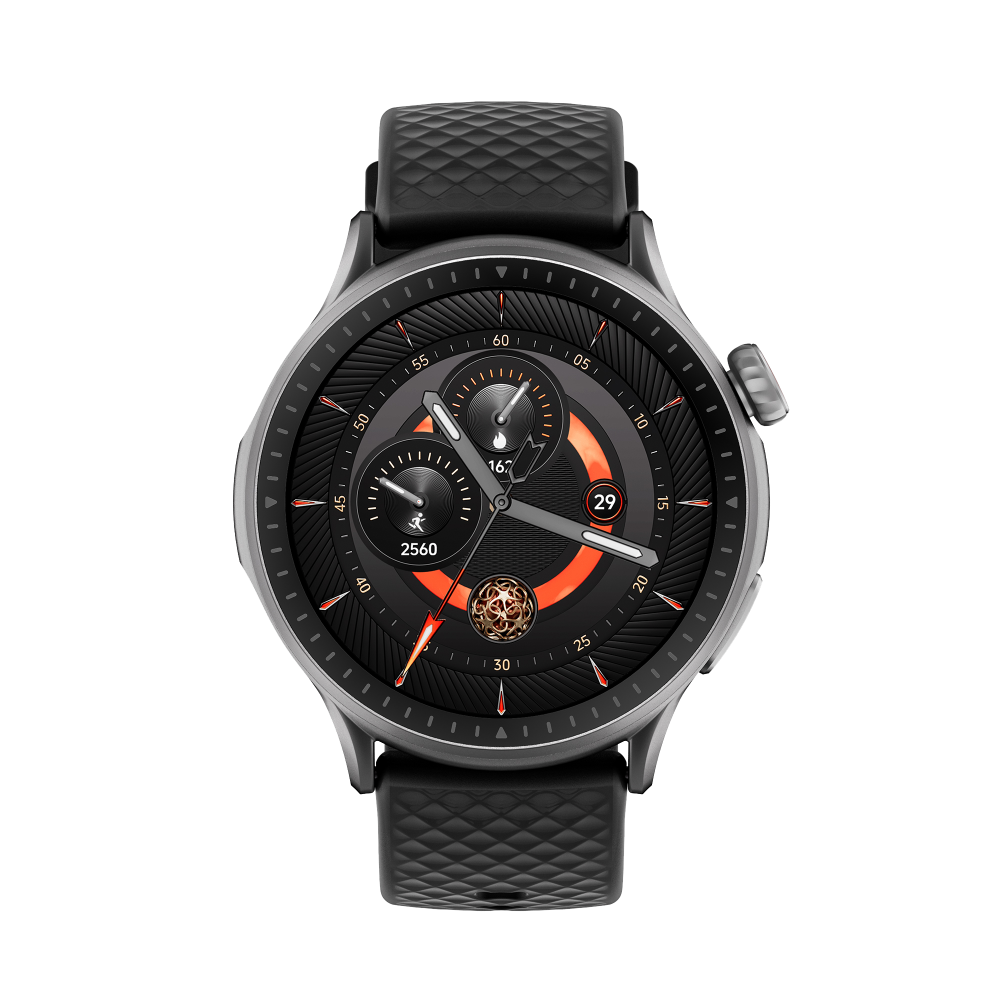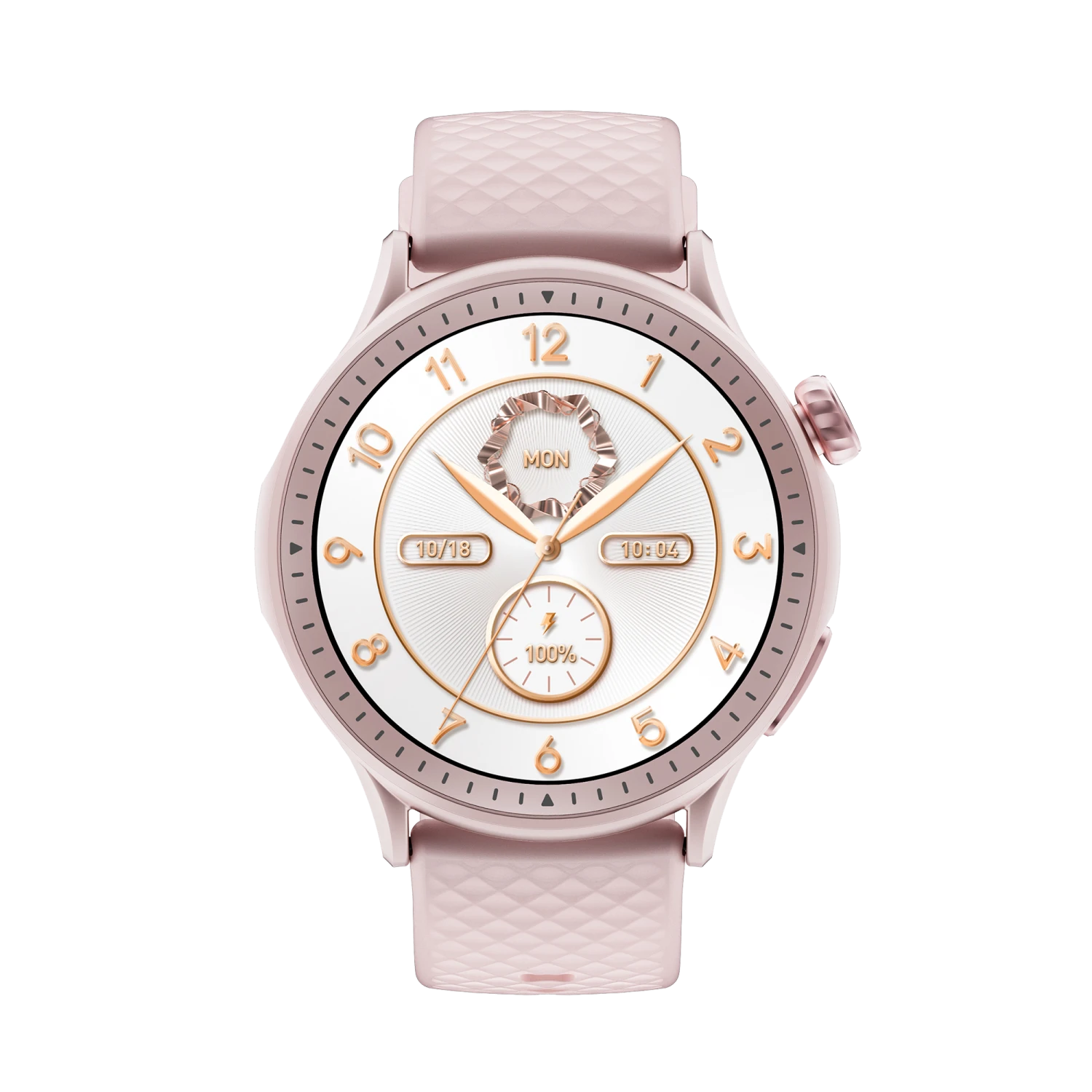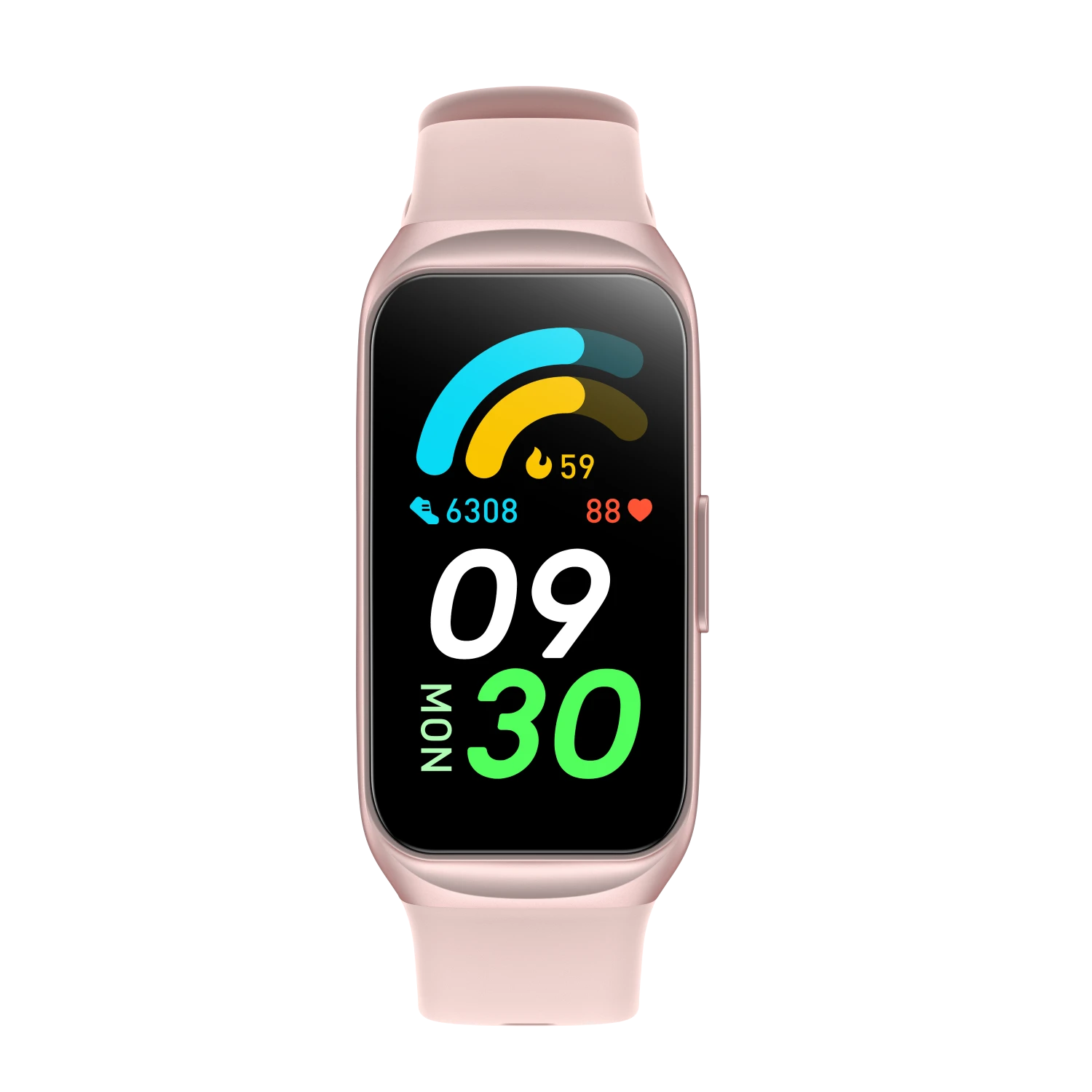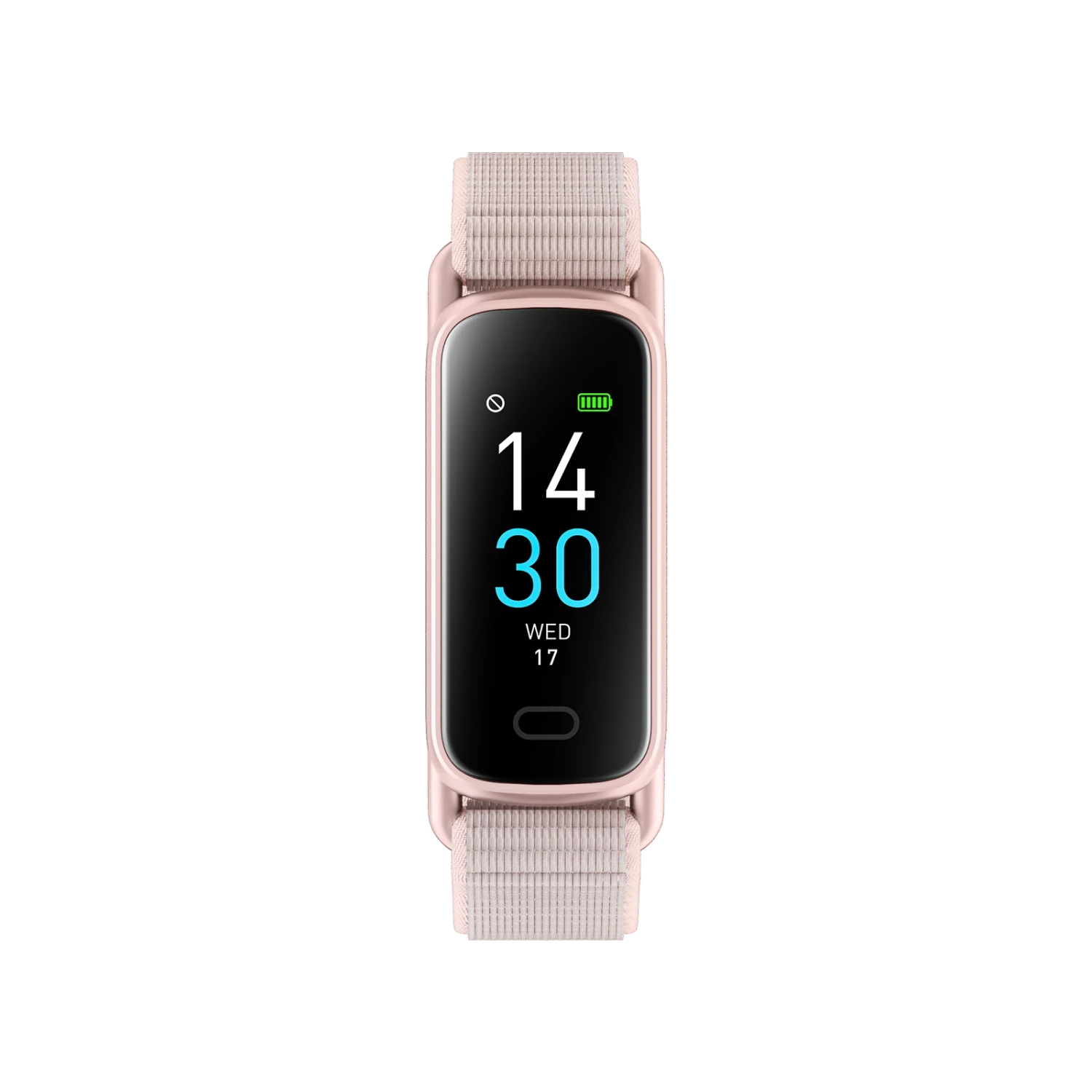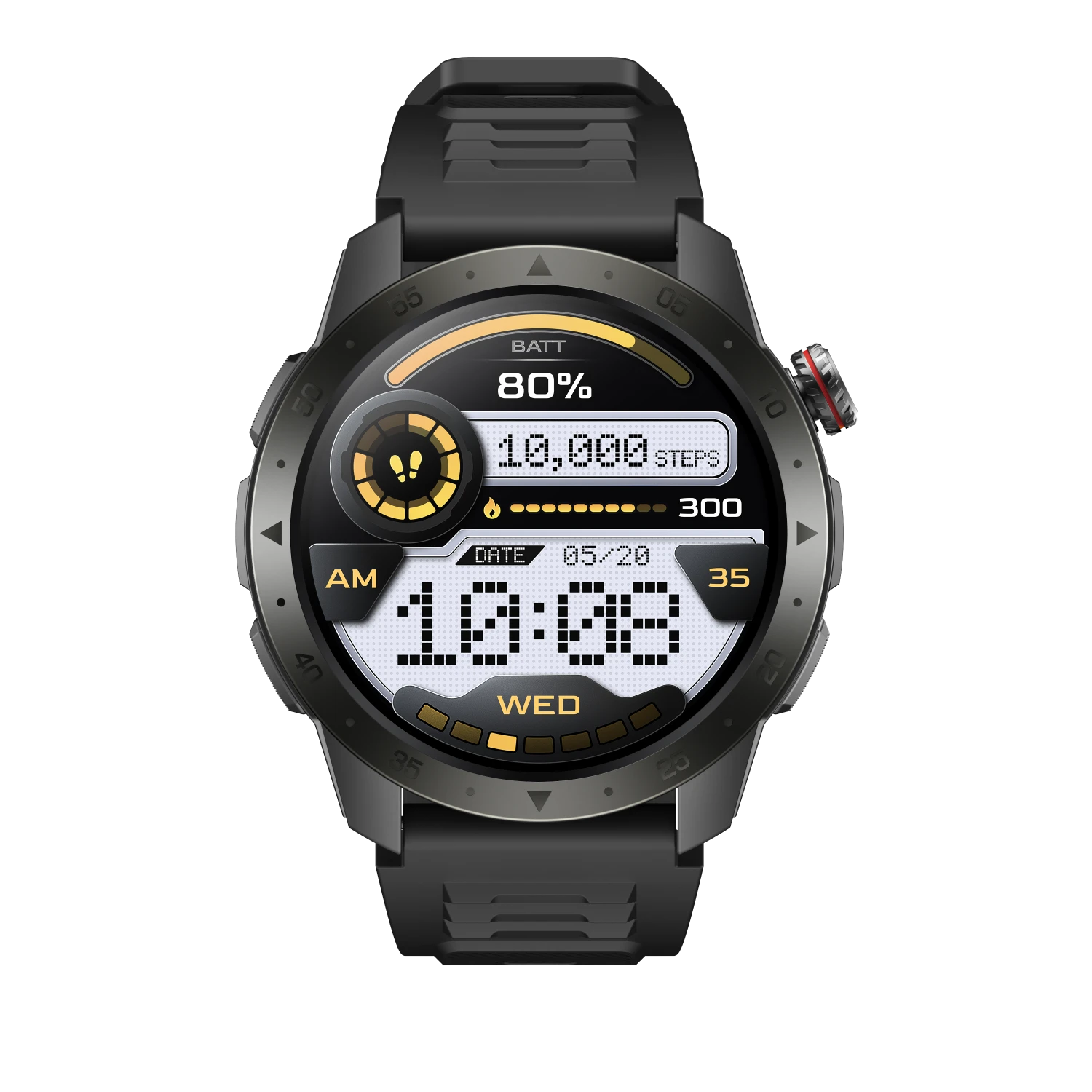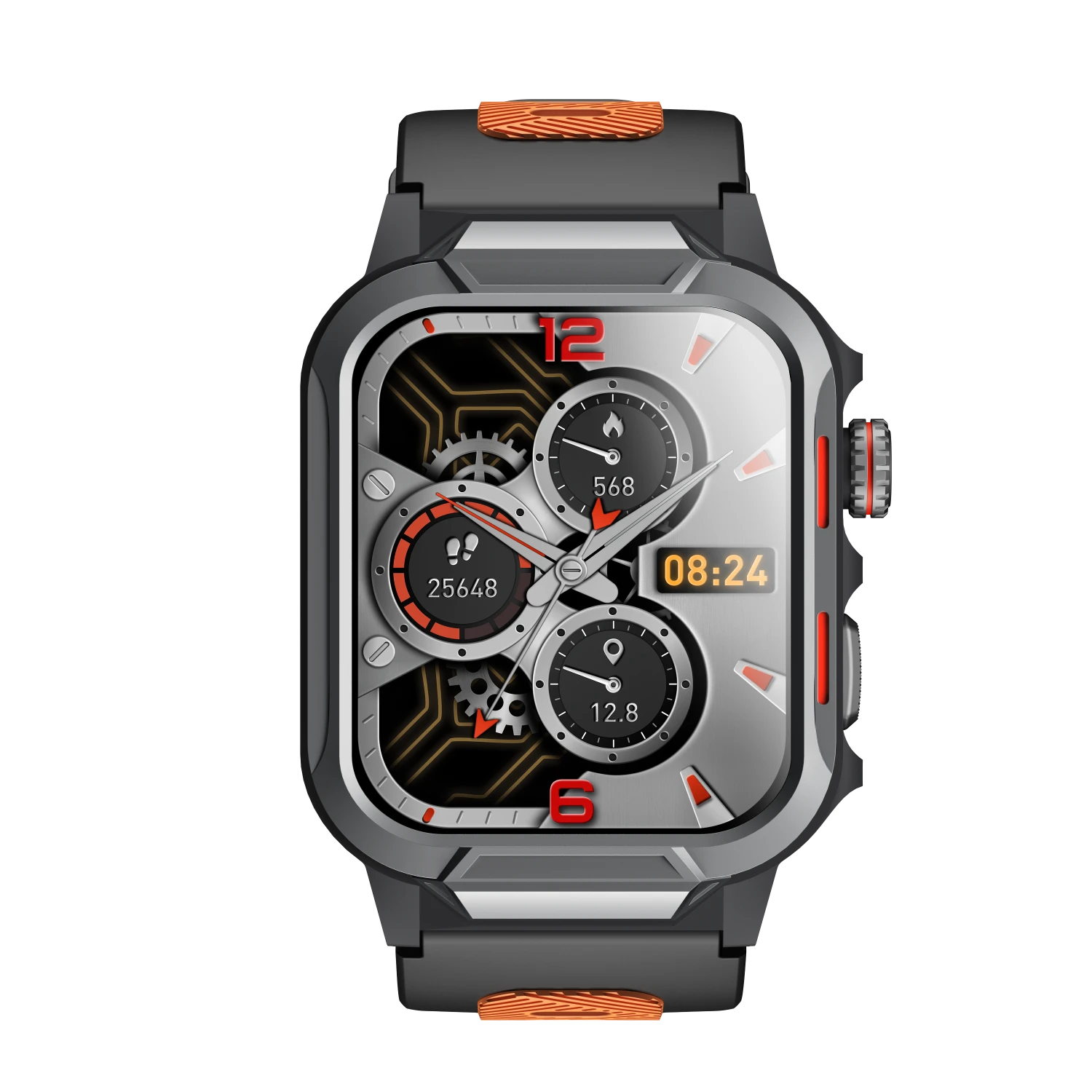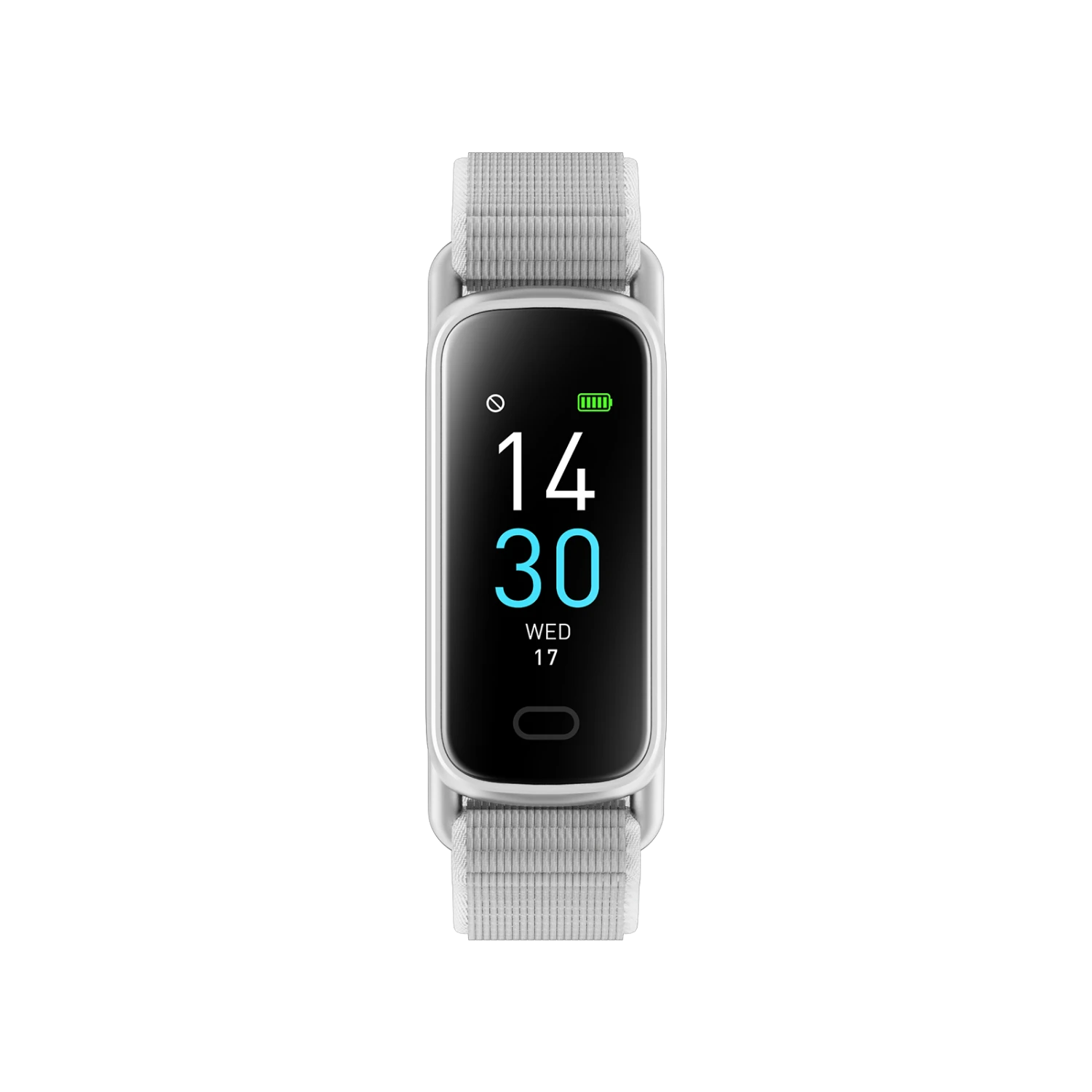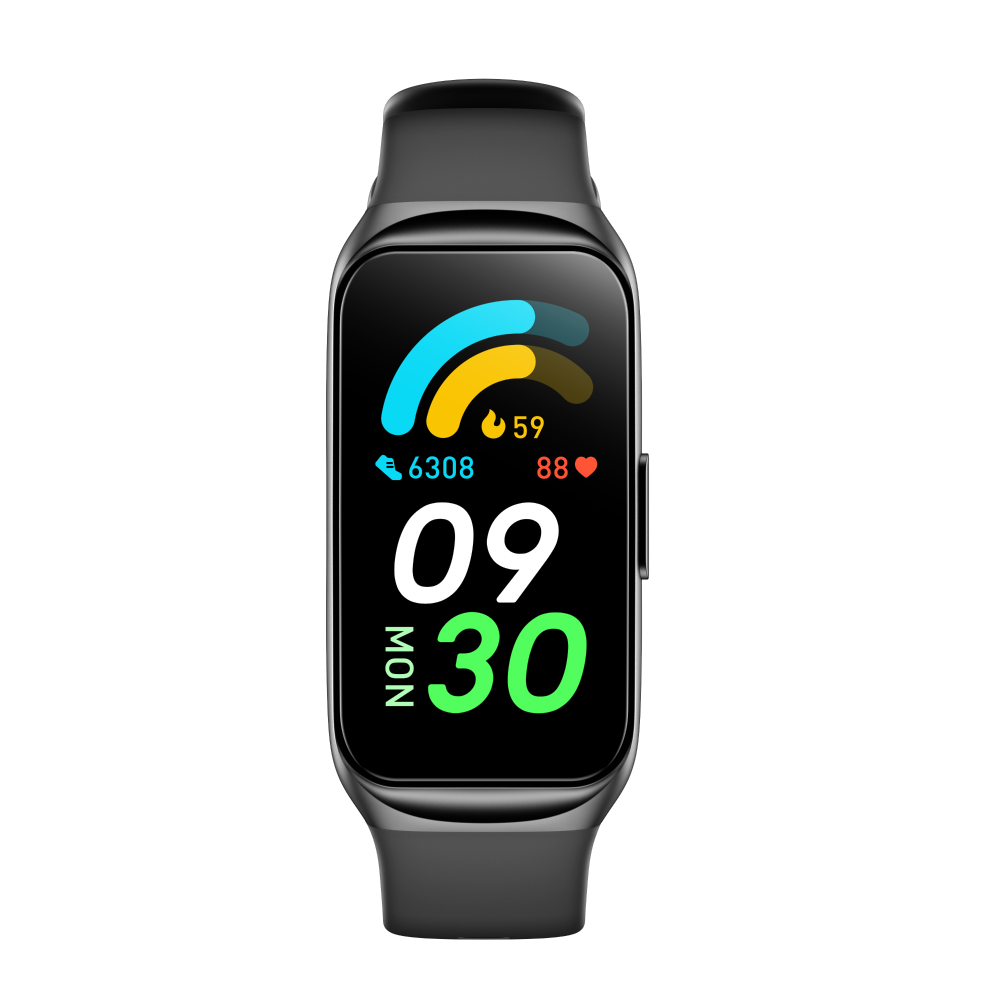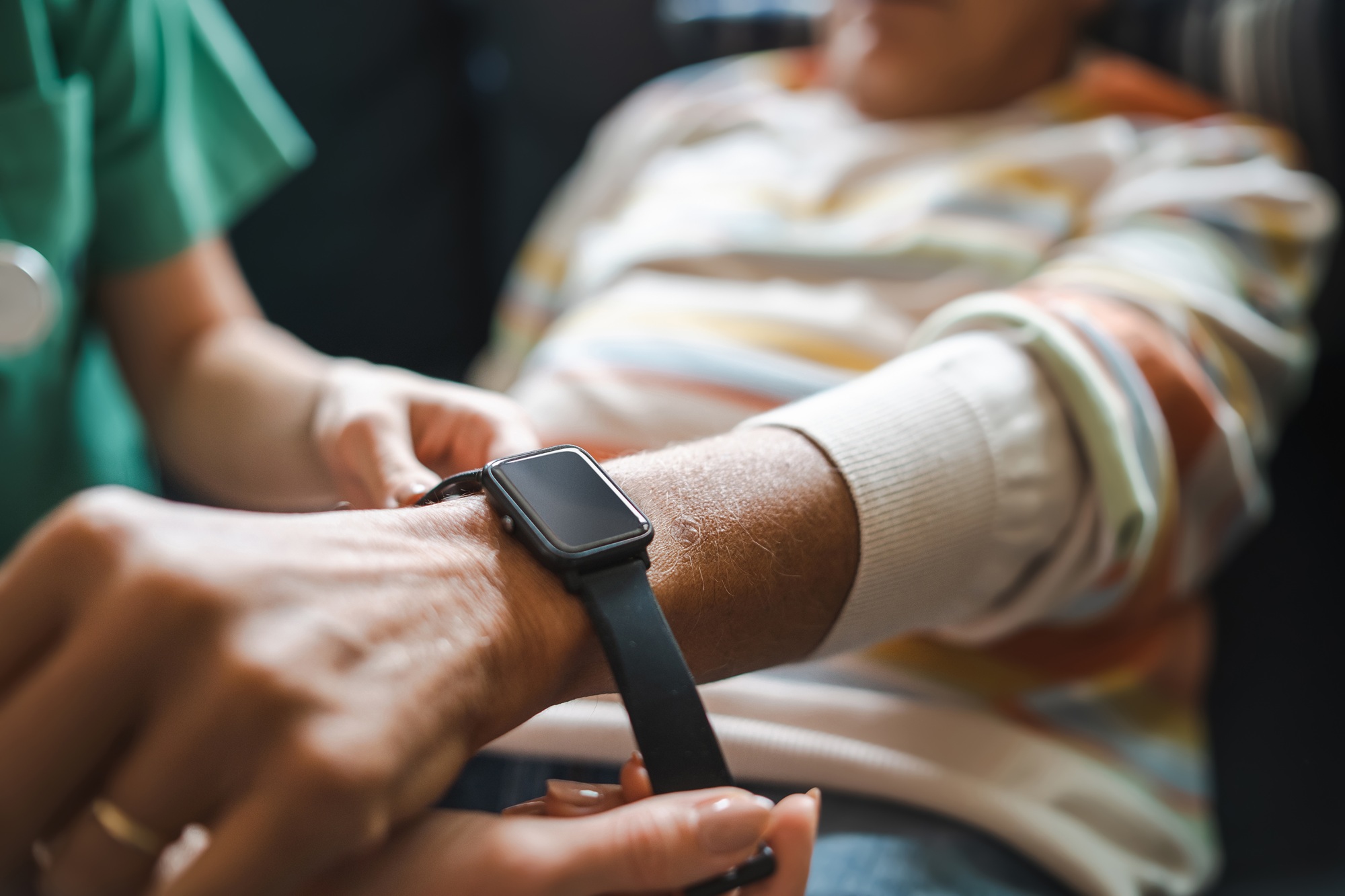
Monitoring your heart is one of the most important things you can do for your health. As we get older, our heart health becomes even more critical. While your heart rate changes when you walk or exercise, the most important number to watch is your resting heart rate. For seniors, knowing this “baseline” pulse does more than just show how your heart is working; it can also provide early warning signs for other health issues, such as infections, stress, or anemia.
According to Dr. Rohit Vuppuluri, a heart specialist in Chicago, a high resting heart rate is a serious signal. He explains that it can increase the risk of heart attack, stroke, and other life-threatening conditions. This is why doctors now recommend that seniors track their heart rate regularly to know when they need professional medical support.
Checking your heart rate is no longer just for athletes or tech experts. It has become a important part of staying healthy as you age. Today, wearable devices like smartwatches and fitness trackers make it very easy for anyone to monitor their heart. You don’t need to be a doctor to understand the basics.
Why Heart Rate Monitoring is Essential
The reason these devices are so helpful is that heart changes often happen slowly. You might not notice them in your daily life, but heart disease remains a leading cause of disability in older adults, often limiting mobility and independence.
This is where a smartwatch or fitness tracker becomes a valuable tool. These devices can detect small shifts in your heart rhythm or resting heart rate long before you feel any physical symptoms. By wearing one, you create a clear “history” of your heart’s performance over weeks or months. When you visit your doctor, you can show them real data instead of trying to remember how you felt months ago. This makes your medical check-ups much more accurate and helpful.
Important Disclaimer: While these devices are helpful for tracking trends, most smartwatches and fitness trackers are not medical-grade devices. The data they provide is for reference only and should not be used to self-diagnose. If you require high-precision monitoring, you should look for products with official medical certification. Always prioritize how you feel—if you feel unwell or notice unusual symptoms, consult a doctor immediately regardless of what your device says.
Furthermore, heart health is linked to cognitive health. Some risk factors for heart disease are also connected to the risk of developing dementia. Managing your cardiovascular health—such as controlling your blood pressure—can help protect both your brain and your heart.
What is a Healthy Resting Heart Rate for Seniors?
For most adults, including seniors, a normal resting heart rate (RHR) typically ranges between 60 and 100 beats per minute (BPM). However, because everyone’s body is different, what is “normal” for you might be slightly different than for someone else.
Understanding the Numbers
60 to 100 BPM: This is the standard healthy range. If your smartwatch consistently shows a number in this area while you are sitting quietly, your heart is likely functioning within a normal rhythm.
Below 60 BPM: A slower heart rate is common in very fit individuals or athletes. However, for some seniors, a heart rate that is too slow (called bradycardia) can cause dizziness or fatigue. This can sometimes be a side effect of certain medications, such as beta-blockers.
Above 100 BPM: A resting heart rate that stays above 100 BPM (called tachycardia) is often a sign that the heart is under stress. As Dr. Vuppuluri noted, a consistently high rate can increase the risk of serious issues like stroke or heart attack.
Find Your Personal “Baseline”
The most important benefit of using a smartwatch or fitness tracker is that it helps you find your baseline. Your baseline is your unique average heart rate.
If your tracker shows that your resting pulse is usually 72 BPM, that is your personal “normal.”
If that number suddenly jumps to 85 BPM for several days without a clear reason (like heavy exercise or caffeine), it is a signal that your body is dealing with stress, dehydration, or a brewing infection.
When to Be Concerned
While a single high reading isn’t always a cause for alarm, you should pay attention if:
- Your resting heart rate is consistently above 100 BPM.
- Your heart rate is very low and you feel faint, dizzy, or short of breath.
- Your tracker alerts you to an irregular rhythm (the heart feels like it is skipping beats or fluttering).
By knowing your typical numbers, you can stay ahead of potential health problems and have more productive conversations with your doctor.
How Your Heart Changes as You Age
Understanding why we monitor these numbers starts with understanding what happens inside our bodies. As you get older, your heart and blood vessels undergo natural physical changes. Even if you are healthy and active, these changes can affect how your heart beats and how it reacts to stress or exercise.
1. Slower Response to Stress
As you age, the heart’s ability to increase its rate during exercise or stressful situations decreases. However, your resting heart rate—the number of times your heart beats per minute while you are at rest—does not change significantly due to normal aging.
2. Physical Thickening and Stiffening
Over time, the walls of the heart may thicken and the muscle can become stiffer. This makes it harder for the heart to relax and fill with blood between beats. As a result, the heart may not pump blood as efficiently as it did when you were younger.
Thicker heart walls increase the risk of Atrial Fibrillation (AFib), a common heart rhythm disorder in seniors that increases the risk of stroke. Additionally, heart valves may become stiffer. This can restrict blood flow or cause leaks, which may lead to fluid buildup in the lungs, legs, feet, or abdomen.
3. Changes in Heart Rhythm
The heart has a natural “internal clock” made of special cells that send electrical signals to tell it when to beat. As we age, some of these cells may stop working or get damaged. This can lead to Arrhythmia, or an irregular heartbeat.
You might feel a slight thumping in your chest, or feel like your heart skipped a beat or is beating too fast. While occasional changes in heart rate can happen more often with age and are usually not dangerous, frequent or lasting palpitations can be a sign of a heart rhythm disorder that requires medical treatment.
4. Stiffening of the Arteries
It is not just the heart that changes; blood vessels (arteries) also become less flexible. When arteries become stiff, the heart must work harder to push blood through the body. This is a primary cause of high blood pressure in seniors.
Tracking Your Heart Rate with Ease
Modern technology has made it simple to keep an eye on these changes without constant trips to the clinic. Wearable devices provide a 24/7 “history” of your heart’s performance, which is much more helpful for a doctor than a single check-up once a year.
For seniors looking for a reliable and easy-to-use option, we recommend the following:
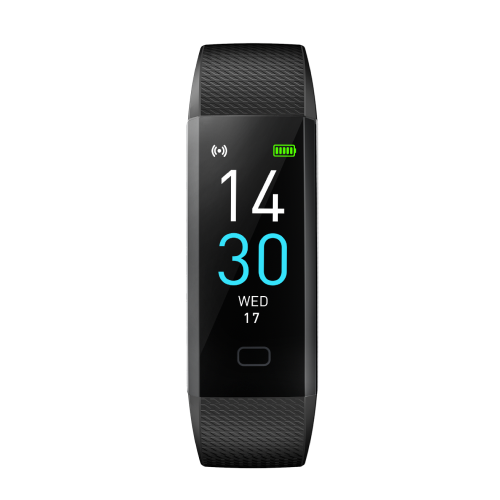
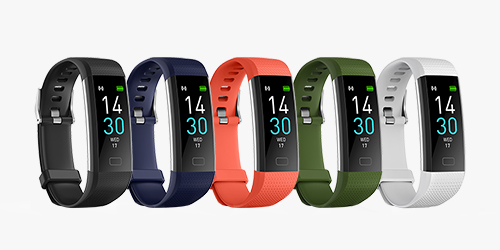
- Runmefit S5 Fitness Tracker: This is ideal if you prefer something light and simple. It fits comfortably on the wrist and focuses on the essentials—heart rate, steps, and sleep.
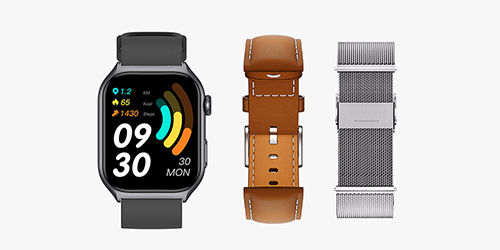
- Runmefit WATCH 4: This is perfect if you prefer a larger, clearer screen. It provides a more detailed look at your health trends and is very easy to read.
Tips for Seniors Maintain Heart Health
The National Association of Chronic Disease Directors (NACDD) warns that persistent high blood pressure, high cholesterol, smoking, or diabetes can all lead to cardiovascular disease. But starting now, you can develop good daily habits to maintain heart health.
Here are aome steps you can take to help keep your heart healthy:
1. Quit Smoking and Limit Alcohol
Smoking is one of the biggest causes of heart disease. It damages the structure of your heart and lowers the oxygen in your blood. Quitting at any age will significantly lower your risk of a heart attack. Similarly, drinking too much alcohol can lead to high blood pressure and irregular heartbeats. It is best to avoid alcohol or limit it strictly.
2. Manage Chronic Conditions (Like Diabetes)
If you have diabetes or high blood pressure, managing these is essential for your heart. High blood sugar can damage the blood vessels over time.
A Vital Warning: Never stop taking your medication or change your dosage based on the data from a smartwatch or tracker. Wearable devices are for reference only. Only a doctor can decide if your treatment should change. Always take your medicine exactly as your doctor tells you.
3. Stay Active and Eat Well
- Keep Moving: Aim for 30 minutes of light activity, like walking, most days.
- Heart-Healthy Food: Focus on fruits, vegetables, and whole grains. Try to reduce salt, as too much sodium increases blood pressure.
Final
Heart rate monitoring is a simple but powerful way to stay in control of your health. By understanding your resting heart rate and watching for sudden changes, you can catch potential problems early and take action—whether that means adjusting your lifestyle or consulting a doctor.
Monitoring your heart is a proactive step that helps you stay strong as you age. It might seem like a small habit, but it is one of the most important things you can do to ensure your heart stays healthy and your future stays bright.