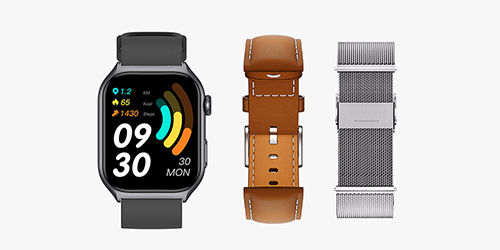
Spring air changes faster than your fitness does. This guide explains why outdoor breathing can feel different in May, how to adapt without overthinking it, and where a short breathing routine from a Runmefit watch—or a simple meditation app—can help.
Maybe it is your first real outdoor run of the season. Maybe it is just a brisk lunchtime walk that suddenly feels tighter than it did two weeks ago. You are moving at a normal pace, but your throat feels scratchy, your chest feels a little “busy,” or your breathing sounds louder than it did indoors. That disconnect is one reason spring workouts can feel strangely frustrating: the effort feels personal, even when the real change is in the air around you.
Early May is a good moment to talk about this because it sits right next to World Asthma Day 2026, a global reminder that breathing comfort deserves more attention than it usually gets. You do not need a medical vocabulary to understand the problem, though. In everyday terms, spring can change what you are inhaling, how that air feels in your nose and throat, and how hard your body has to work once you move from the treadmill, studio, or living room back into the open air.
The good news is that “breathing feels different” does not always mean something is wrong with your fitness. Sometimes it simply means you are dealing with a windy high-pollen day, a cool dry morning, a warmer afternoon with poorer air quality, or an outdoor route that asks more of your body than an indoor workout did. Once you can read those patterns, spring workouts stop feeling mysterious and start feeling manageable.
| Quick takeaway: if spring air suddenly makes your normal walk, run, ride, or outdoor circuit feel harder, the issue is often timing, air conditions, or breathing rhythm—not a sudden drop in fitness. |
Why spring air can feel harder to breathe even when you are fit

One of the biggest mental traps of spring training is assuming that if a workout feels harder, you must be out of shape. But outdoor effort is never just about your body. It is also about temperature, wind, pollen, air quality, and terrain. AccuWeather’s 2026 allergy forecast notes that tree pollen is already ramping up across parts of the South and West, while grass pollen becomes more relevant later in spring and early summer. Weather.com’s spring allergy guide adds that warm, dry, and windy weather can push pollen higher, while rain may briefly wash it down.
Spring also creates contrast. A bright morning can still be chilly enough to make your throat feel sharp. A comfortable lunch break can coincide with breezy grass pollen or traffic-heavy air. And if you are returning to outdoor movement after weeks of treadmill running or mostly indoor exercise, the environment itself may feel more demanding. Verywell Fit’s comparison of treadmill and outdoor running points out that outdoor workouts often feel harder because of wind, terrain changes, and the fact that the belt is no longer helping carry you forward.
| Spring factor | What it can feel like | Why it matters outdoors |
| Pollen and wind | Tickly throat, stuffy nose, more coughing, more mouth breathing | Warm, dry, breezy days can push more irritants into the air and into your workout |
| Cool, dry morning air | Scratchy lungs, chest tightness, “why does the first mile feel so bad?” | Cold or dry air can make the airways feel less comfortable until you warm up |
| Afternoon ozone and traffic | Heavy breathing, burning throat, harder effort than expected | Poorer air quality can make higher-intensity outdoor sessions feel harsher |
| Outdoor terrain and pace changes | More huffing on hills, wind, turns, uneven surfaces | Outdoor movement often demands more adjustment than steady indoor sessions do |
Pollen is the obvious reason—but it is not just about flowers
When people say spring air feels hard to breathe, pollen is usually the first thing they mean—and for good reason. But “pollen” is often more complicated than a few flowers blooming in the park. AccuWeather’s 2026 forecast explains that tree pollen often leads the season, then grass pollen ramps up later in spring and early summer. Weather.com’s allergy explainer notes that warm, dry, windy weather tends to spread pollen more aggressively, while calmer or rainy conditions can temporarily make the air easier.
That is why spring discomfort can feel so random at first. A quiet neighborhood walk under dry, breezy trees can make your nose and throat feel worse than a tougher workout the day after rain. A trail run can feel great in one section and annoying under tree cover a few minutes later. Runner’s World’s spring allergy advice for runners also says wooded routes, grasses, and even moldy or damp areas can trigger different kinds of reactions for different people.
In plain English, spring air can feel “busy.” You are not only taking in oxygen. You may also be taking in tree pollen, grass pollen, dust, and tiny bits of whatever the wind is moving around that day. The more deeply you breathe during exercise, the more obvious that can become.
What this often looks like in real life
- You feel fine getting coffee, but your nose closes up ten minutes into a jog under blooming trees.
- A breezy soccer field or open running path feels worse than a calmer side street, even at the same pace.
- A day-after-rain walk feels easier, smoother, and less “itchy” in the throat than the sunny windy day before it.
Mornings can feel scratchy, while afternoons can feel heavy
Not every rough spring workout is about pollen. Sometimes the problem is simply the feel of the air itself. REI’s running-breathing guide notes that the nose helps filter allergens and adds warmth and moisture to inhaled air, which is one reason easy nasal breathing can feel more comfortable at the start of a session. REI’s cold-weather running advice also explains that cold air can make airways feel tighter, especially before the body has warmed up.
That explains the classic spring-morning contradiction: it looks beautiful outside, but the first five to ten minutes feel harsher than you expected. Your body is working before it has fully settled into a rhythm, and the air may still be cool and dry enough to feel sharp. In that moment, a hard start almost always makes the problem more dramatic than it needs to be.
Afternoons can feel difficult for a different reason. Check local air quality forecasts before outdoor activity, and the American Lung Association’s guidance on outdoor exercise notes that ozone is often higher in the afternoon, especially during warmer weather. That means a lunch break or early-evening workout can feel “heavier” even when the temperature looks pleasant. Add traffic, a busy road, or a breezy grass-pollen day, and the same workout can suddenly feel like more work.
| Situation | Why it may feel harder | Easiest adjustment |
| Cool bright morning | Cool or dry air, sharp first breaths | Longer warmup and an easier first 5–10 minutes |
| Warm breezy afternoon | More pollen, more ozone, heavier air | Lower intensity, calmer route, or earlier start |
| Tree-lined trail | More direct allergen exposure | Swap to an open path or track |
One more small pattern worth noticing: a steady rain can briefly wash some irritants down, which is why a day-after-rain walk or easy run often feels smoother than a dry, windy one.
Why outdoor workouts often feel harder than indoor ones
Sometimes the answer is not in the pollen report at all. It is in the workout itself. Verywell Fit’s treadmill-versus-outside comparison explains that outdoor movement can require more energy because you are managing wind resistance, changing surfaces, turns, slopes, and pace shifts on your own. Indoors, movement is more controlled. Outdoors, your body is constantly making tiny adjustments.
That difference is especially noticeable in spring because many people return outside with indoor expectations. You remember the distance you handled on a treadmill or the easy pace from a class, then assume the outdoor version should feel the same. But outdoors, you may be climbing a subtle hill into the wind while breathing air that is cooler, drier, or more full of irritants than the air inside your home or gym. It makes perfect sense that your breathing sounds louder or your effort feels higher.
This is also why spring workouts reward humility. If the first ten minutes feel clunky, that is not always failure. Sometimes it is simply transition: your body, your breath, and the outdoor conditions are negotiating with each other.
How to make spring breathing easier before and during a workout
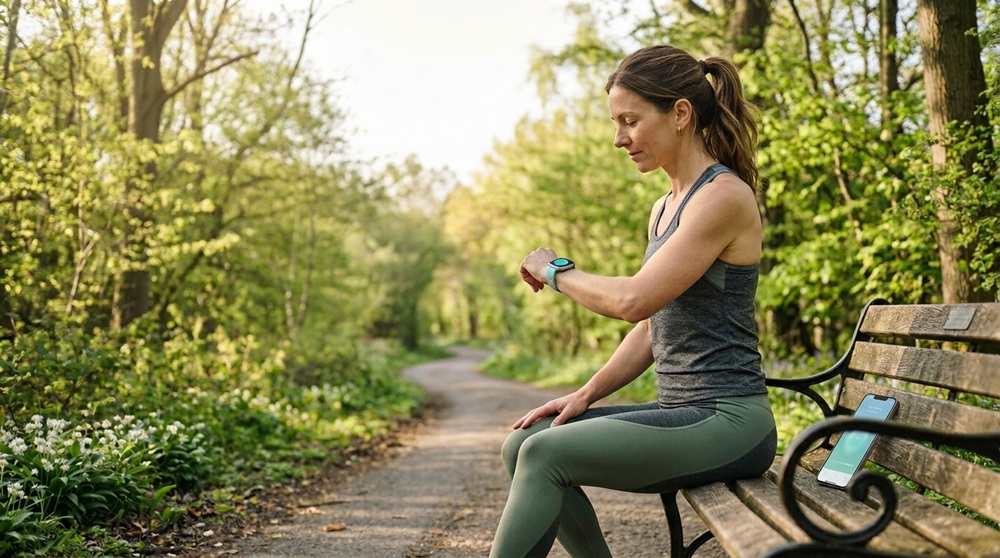
The goal is not to micromanage every breath. The goal is to make the air easier to work with. A few small habits can change the whole feel of a spring workout.
- Check two quick signals before you head out: pollen and AQI. A fast look at your local AccuWeather allergy forecast or Weather.com pollen guide, can explain a lot before the workout even starts.
- Warm up for five to ten minutes. A short warmup before a run, and spring is exactly when that advice pays off. An easy walk, light mobility, or gentle jog gives the air less of a shock value.
- Start easier than your ego wants to. If the first minutes feel rough, do not force the pace. Let your breathing settle first, then let the workout build.
- Use nasal breathing where it makes sense, nose can help warm, humidify, and filter the air. You do not have to stay nasal-only the whole session; even using it during your warmup can help.
- Let the weather choose the session. A windy high-pollen afternoon may be better for an easy walk, mobility, or indoor cardio than for intervals or a long hard ride.
- Choose the route, not just the distance. A path away from busy roads or heavy tree cover can sometimes change more than a motivational playlist does.
- Wash the workout off on rough pollen days. Changing clothes and showering after time outside can keep the irritation from following you indoors.
Use your Runmefit watch as a breathing reset
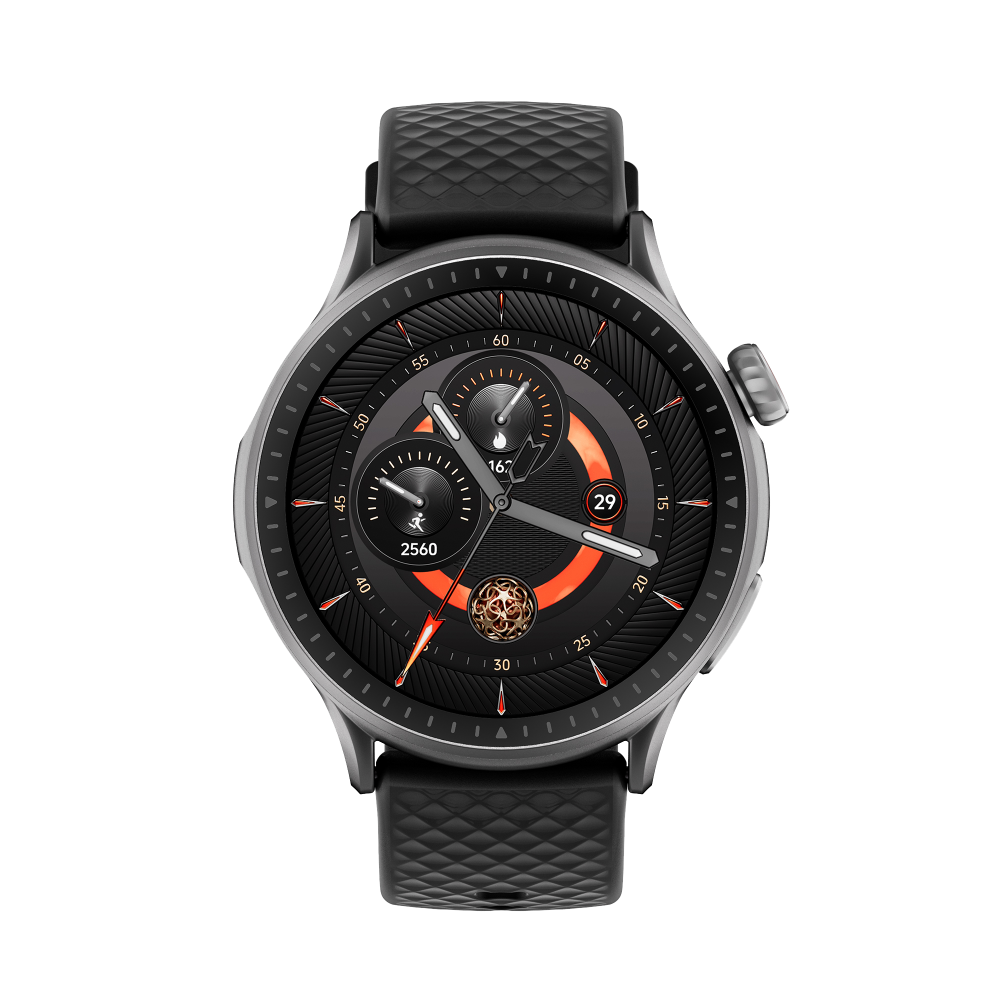
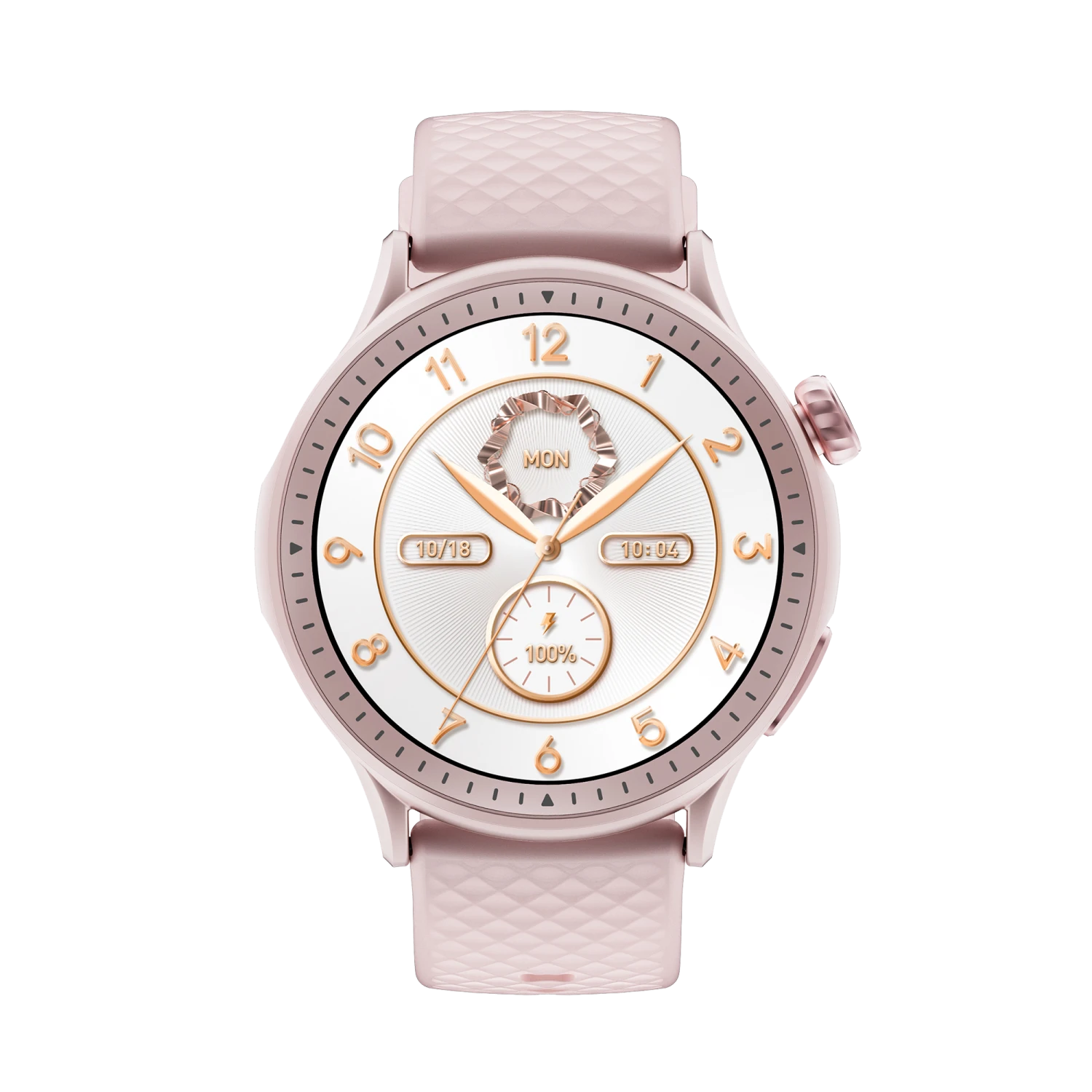
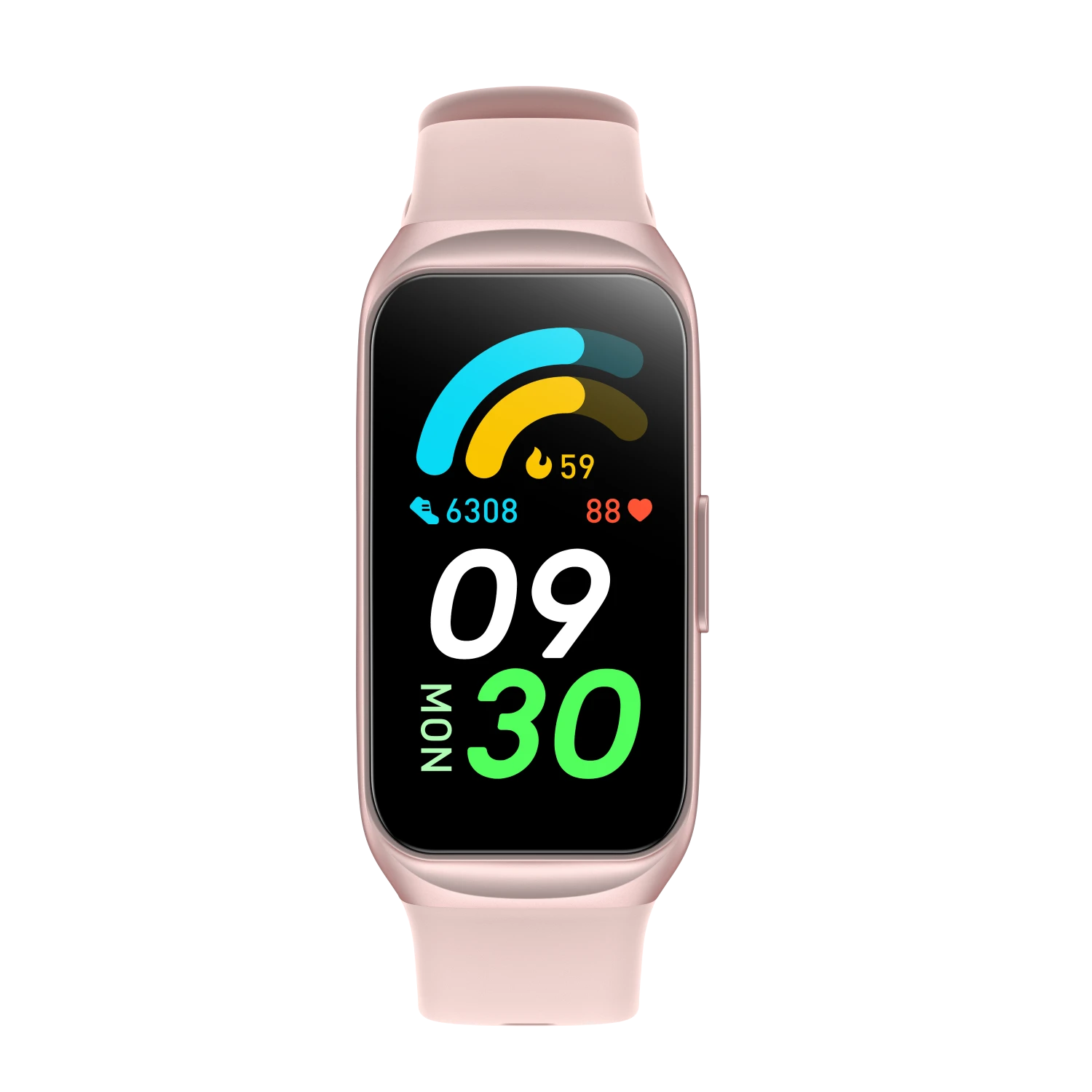
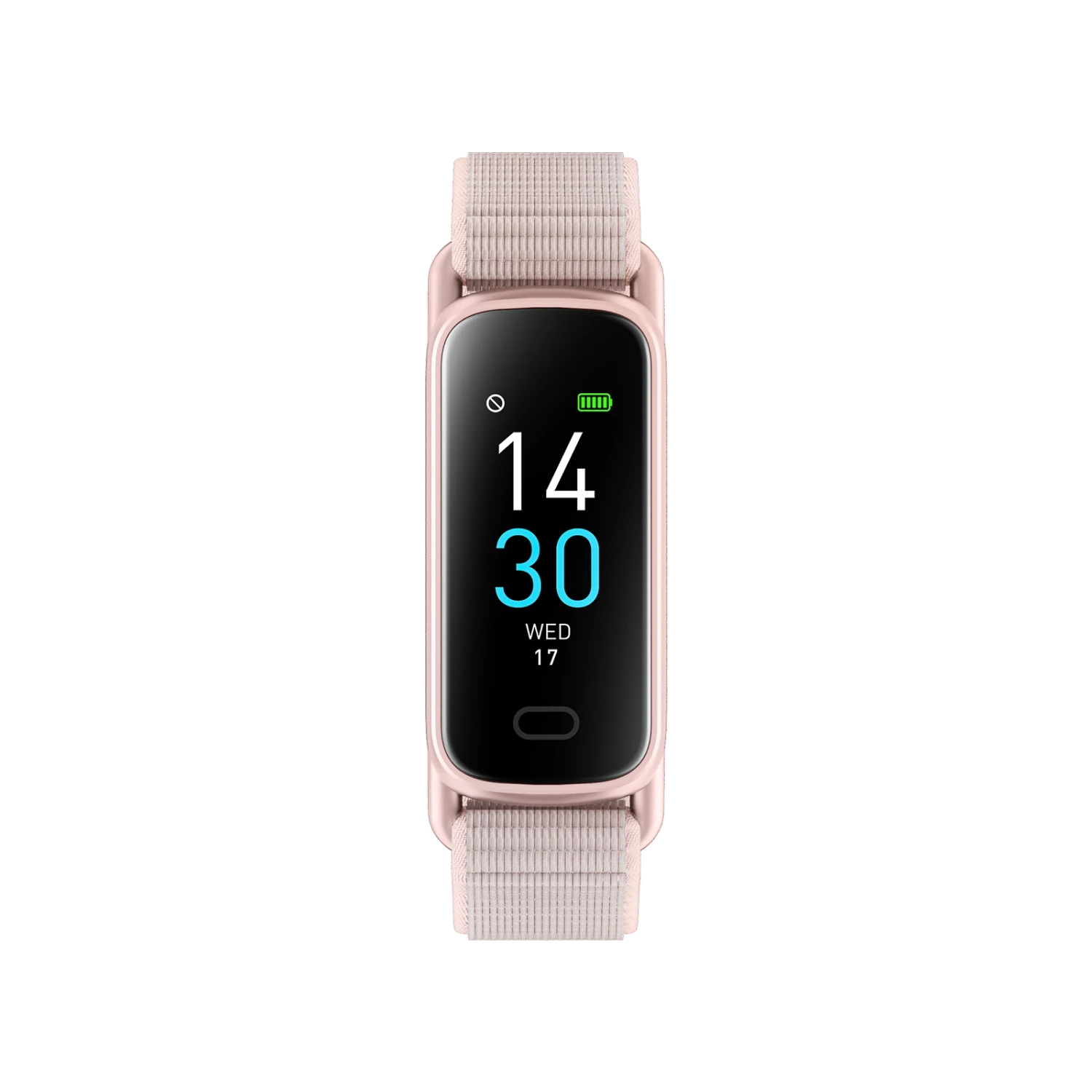
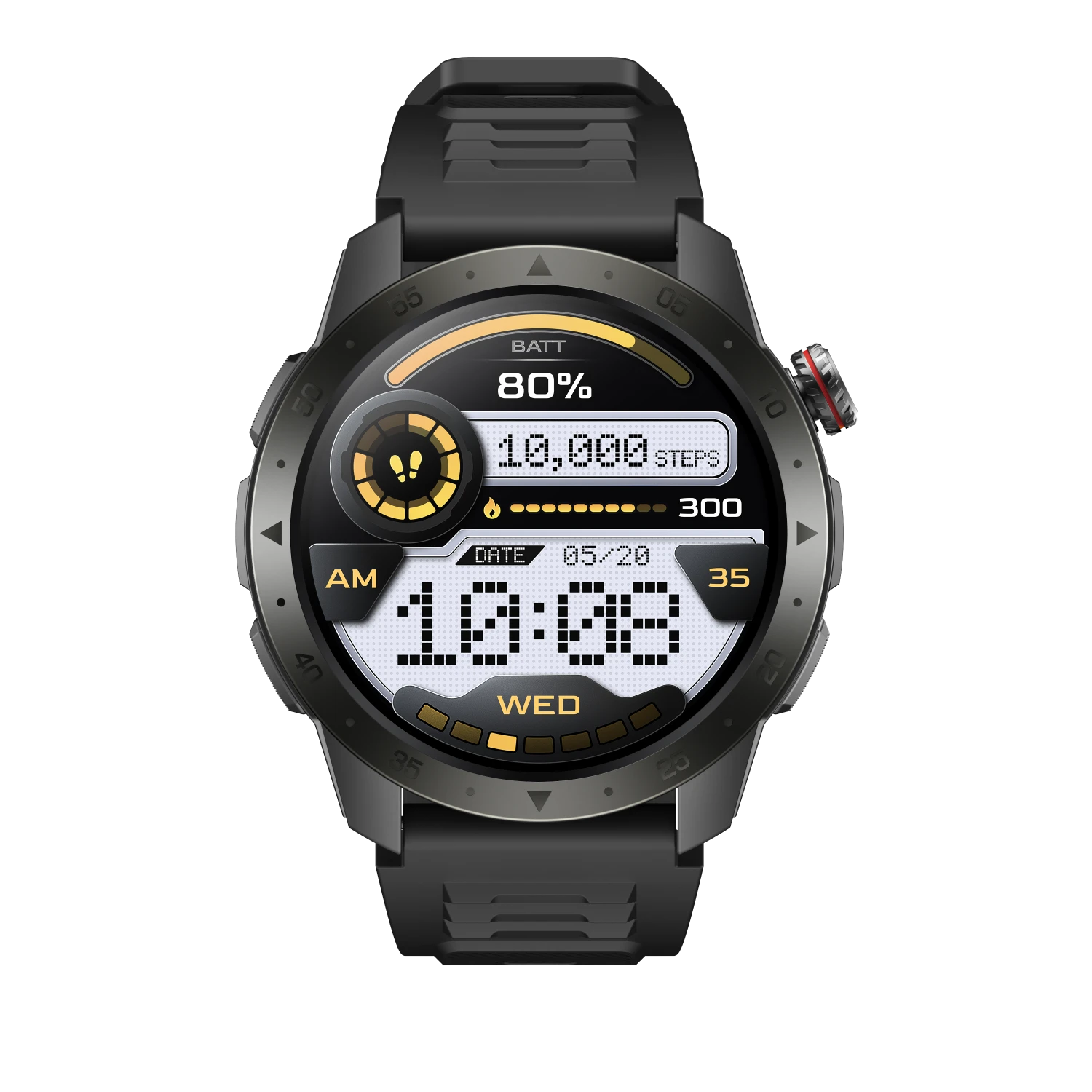
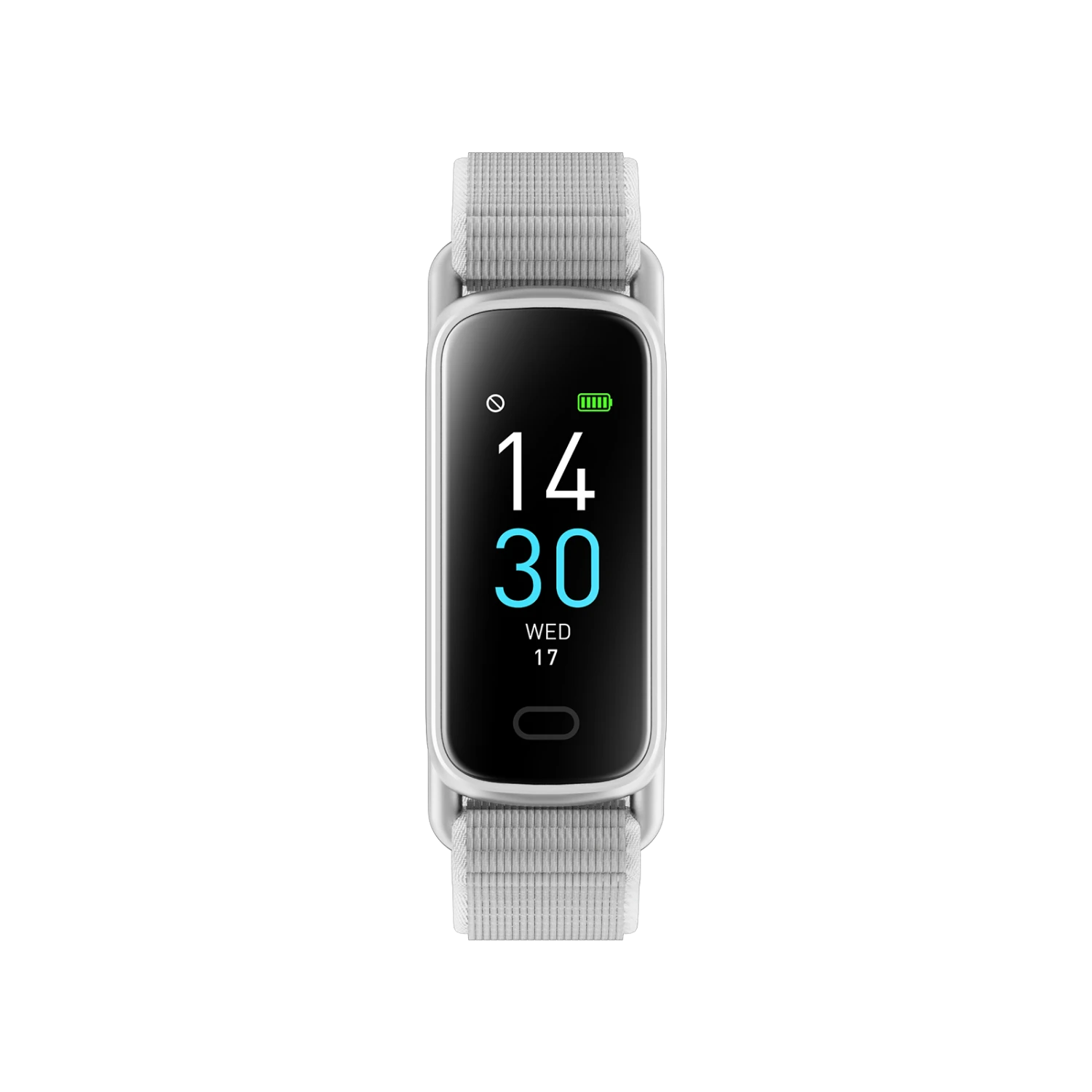
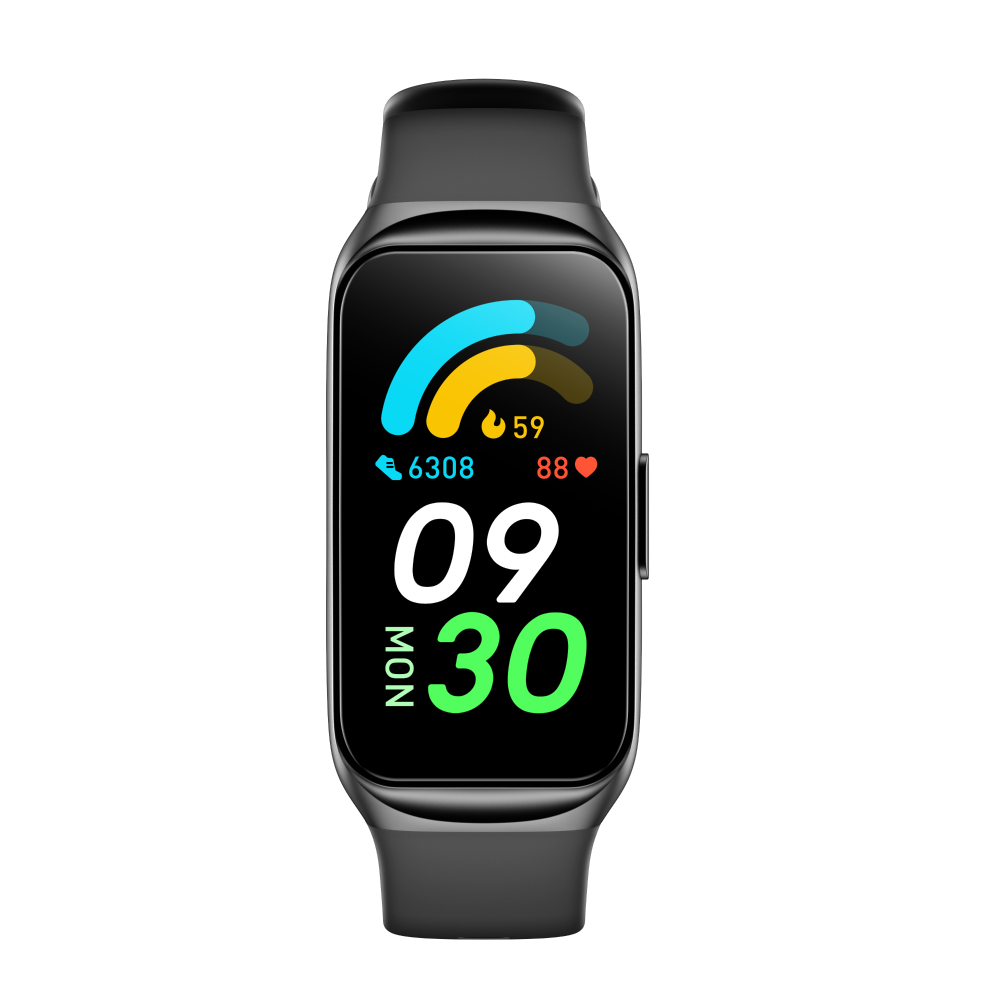
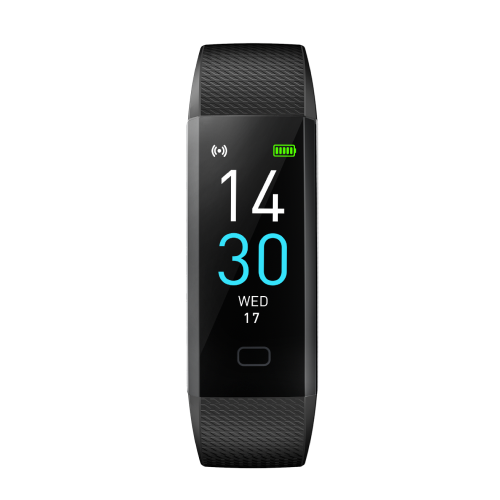
This is where product integration can actually be helpful instead of distracting. When spring air feels “off,” the most useful device feature is not more complexity; it is less friction. The public Runmefit WATCH 3 Active user manual describes a built-in Breathing feature that is meant to help users relax, relieve stress and anxiety, and improve focus and calm through guided breathing. The same manual says you can choose a one- to five-minute breathing session and assign the shortcut button to Breathing Training, which makes it practical as a real pre-workout ritual rather than a menu-hunting exercise.

That makes a very simple spring routine possible. If the air feels sharp before a run or walk, stand still for a minute, loosen your shoulders, and open a short Breathing session on the watch before you move. If you are about to leave work and the afternoon air feels heavy, use a brief session to slow the first few breaths instead of jumping straight into pace. If you come home irritated after a windy workout, use the feature again as a cooldown rather than going straight from effort to screen-scrolling.
A simple Runmefit spring-breathing routine
- Before the workout: 1–3 minutes of guided Breathing on the watch.
- First 5–10 minutes: easy pace, relaxed shoulders, do not force speed too early.
- If the air still feels rough: downgrade the session instead of fighting it.
- After the workout: another short breathing session can work as a mental and physical cooldown.
No smartwatch? A meditation app can still help you build the same habit
You do not need a wearable to make spring breathing easier. If you do not have a smartwatch yet, a simple phone-based breathing habit can do a surprising amount of the same work. The goal is not to turn your workout into a meditation retreat. The goal is simply to stop arriving at your first hard breaths in a rushed state.
Two familiar examples are Headspace’s breathing exercises and Calm’s breathing exercises, which the company says can be customized by pace, timer, and haptics. In practice, that means you can sit on a park bench, in your car, or by your front door for one to three minutes, do a guided breathing pattern, then start moving at an easier pace. You have not changed the weather—but you have changed the way you enter it.
For people who are new to this, start smaller than you think. One minute is enough. A single round of box breathing, equal breathing, or slow inhale-exhale work can help reduce the “jump” between standing still indoors and breathing hard outdoors. If you like the structure, keep the app. If not, keep the habit and use a timer.
A phone-only option that still works
- Open a breathing or meditation app before you leave the house.
- Choose a short session: one to three minutes is enough.
- Stand tall, relax your jaw and shoulders, and let the session set your rhythm.
- Start your workout easy so the breathing routine actually carries into the first minutes outside.
Five real-life spring workout situations and the easiest adjustment
Spring fitness advice becomes much easier to remember when it sounds like real life. Here are five common moments and the easiest change to make in each one.
| If this is the situation… | It often feels like… | Try this first |
| Cool, sunny 7 a.m. run | Your chest feels scratchy in the first few minutes | Do a longer warmup, use partial nasal breathing, and wait before pushing pace |
| Windy lunch break walk or jog | Your nose and throat feel irritated quickly | Downgrade intensity and choose a lower-exposure route |
| Tree-lined trail session | You feel stuffy even though the weather looks perfect | Move the session to an open path or track on high-pollen days |
| Hotter late-afternoon workout near traffic | Breathing feels heavy or “smoggy” | Check AQI first and shift earlier, easier, or indoors if needed |
| You own a watch but still feel rushed leaving the house | The first minutes outside feel chaotic | Use a 1–3 minute Runmefit Breathing session or a short app-based breathing exercise before you start |
When to stop pushing and move the workout indoors
There is a big difference between “spring air is annoying today” and “this workout is not worth forcing.” The most practical rule is this: if conditions are stacking against you and your breathing is not settling after a proper warmup, move the session indoors or lower the intensity without guilt. AirNow and the American Lung Association both emphasize using air-quality information to shape outdoor activity rather than treating the forecast like background noise.
Good reasons to switch the plan
- AQI is elevated and the workout is hard or long.
- You are coughing, wheezing, or feeling chest tightness that does not improve after warming up.
- The combination of wind, pollen, traffic, and heat is making you tense up instead of settle in.
- You know the point of the workout is training consistency, not proving toughness to yourself.
That last point matters more than people admit. Skipping one ugly spring interval day in favor of an indoor bike, treadmill walk, or mobility session is not weakness. It is simply good decision-making. Consistency usually beats drama.
In Summary
Spring should make outdoor movement feel inviting, not confusing. But if your breathing feels different outside, there is usually a real reason. The air may be fuller of pollen. The morning may be cooler and drier than you expected. The afternoon may have worse air quality. Or the workout may simply be more demanding outside than it was indoors.
Once you understand that, you can respond in practical ways: check conditions, warm up longer, choose better timing, adjust the route, and use a short breathing routine before you start. If you already wear a Runmefit watch, the Breathing / Breathing Training feature is an easy way to turn that into a repeatable habit. If you do not, a short session in a meditation app can still do the job. Either way, the lesson is the same: better breathing in spring usually starts before the workout really begins.