Bedtime habits worth keeping are the ones that repeat easily and show up in your data: morning light, steady sleep and wake times, a cooler dark room, fewer screens before bed, and earlier meals. None is a magic switch. Together, they reduce friction around sleep by giving your body clearer timing cues and giving you simple behaviors to track night after night.
Why the Best Bedtime Habits Start in the Morning
Morning light is not a “night routine,” but it sets the night up
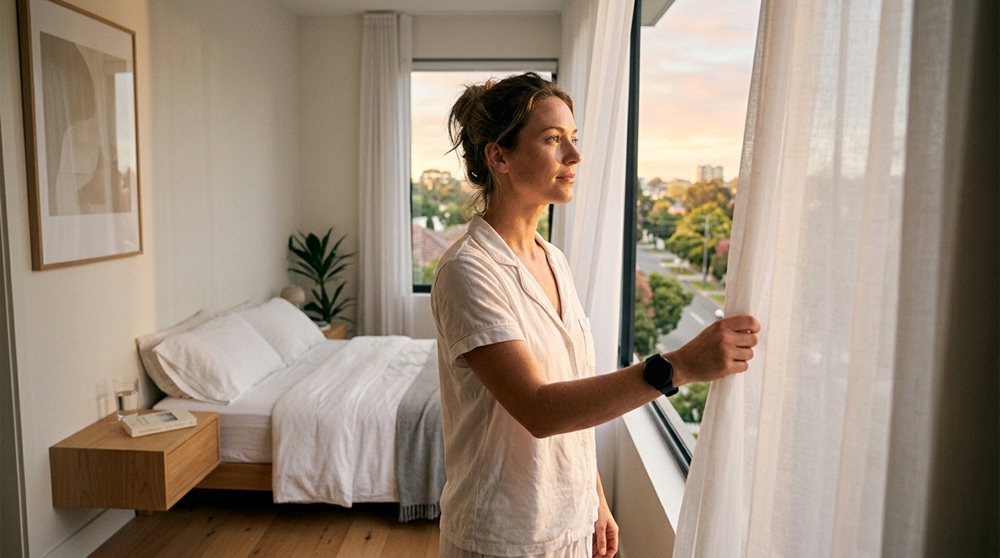
A surprisingly useful sleep checklist starts after waking. That sounds backward until you think about how the body reads time. Bright daylight tells your internal clock that the day has started; dimmer evenings then make more sense to the body. The Sleep Foundation’s guide to light and sleep describes light as a major external cue for circadian rhythm, alertness, and the sleep-wake cycle.
On Reddit, the morning-light habit shows up less like a polished wellness rule and more like a behavior swap: someone notices they spend 10–15 minutes scrolling after waking, then tries stepping outside instead. That is the useful part of a Reddit-inspired checklist. It turns a vague goal — “sleep better” — into a visible exchange: phone-first morning or light-first morning. One thread about morning sunlight frames the habit exactly that way.
Track the wake-up anchor before obsessing over bedtime
For many people, bedtime moves because life moves. Work runs late. A family call stretches. A show ends later than expected. Wake time is usually easier to anchor. Try tracking one number for seven days: “minutes between waking and seeing outdoor light.” Keep it simple. Ten minutes. Twenty minutes. Thirty-seven minutes. The number matters because it removes guesswork.
A Runmefit sleep log can make this less emotional. Instead of waking up and judging the whole night, you can check patterns: sleep duration, sleep stages, awakeness, and Sleep Score. Runmefit’s own sleep guide explains that a sleep score is more useful when it is treated as feedback across patterns, not as a verdict on one night. Read the Runmefit Sleep Score guide for a deeper explanation.

Keep a Consistent Sleep Schedule Without Turning It Into a Rulebook
A schedule works best when it has a realistic range
A consistent sleep schedule does not mean every night must look identical. That kind of pressure can backfire. A better target is a repeatable sleep window: for example, lights out between 10:30 and 11:00 p.m., wake up between 6:30 and 7:00 a.m. It is structured, but not brittle.
The Sleep Foundation’s sleep routine guidance emphasizes consistency and gradual adjustments rather than dramatic overnight resets. The same source notes that a regular sleep routine supports sleep quality and helps maintain the body’s internal clock.
Measure “schedule drift” in minutes
The non-obvious metric here is not bedtime itself. It is drift. If your target bedtime is 10:45 p.m. and you actually get into bed at 11:28 p.m., that is a 43-minute drift. If Saturday becomes 12:17 a.m., the drift is 92 minutes. This small measurement makes the habit concrete.
A practical Runmefit habit test: pick a seven-night period and write down three numbers each morning — bedtime drift, wake-time drift, and Sleep Score. Do not interpret too much from one night. Look for clusters. If the nights with less than 30 minutes of drift also show smoother sleep continuity, that is useful personal feedback. If not, you learned something without buying a new routine.
Consistency is especially worth keeping because it is one of the few habits that does not require special gear, extra time, or a complicated setup. It asks for repetition. That is boring. It is also why it works for real life.
Build a Cooler, Darker Room That Makes Sleep Less Fragile
Cooler rooms reduce one common source of night discomfort
Room temperature is one of the easiest sleep variables to ignore because it feels passive. You do not “do” anything. Yet a warm room can quietly make sleep feel lighter or more restless. The Sleep Foundation’s bedroom temperature guide gives a commonly recommended sleep range of 65–68°F and explains that the body naturally cools as sleep begins.
That range may not fit every home, season, or electricity bill. The habit worth keeping is not a perfect number. It is the act of testing. Try lowering the room by 2°F for three nights. Use lighter bedding. Crack a window if the neighborhood is quiet. Then check whether awakeness or restlessness looks different in your sleep data.
Darkness and quiet beat decorative “sleep upgrades”
A calmer room does not need to look like a spa. It needs fewer interruptions. Charging lights, hallway glow, a blinking router, streetlight leakage, and late notifications all send tiny signals. One tiny signal may not matter. Six of them can.
The National Sleep Foundation’s “small steps” framing is useful because it treats sleep as daily behavior: bright light during the day, consistent mealtimes, and a sleep-friendly night environment all belong to the same system.
A practical test: take a 20-second photo of your bedroom at night with exposure turned down. The image often reveals light sources your eyes have stopped noticing. Then remove one. Not five. One. The checklist gets easier when each change is small enough to repeat.
Cut Screen Time by Changing the Last 30–60 Minutes
The real problem is not the screen; it is the automatic loop
“Less screen time before bed” is easy to say and annoying to follow. The phone is not just a glowing rectangle. It is messages, entertainment, weather, alarms, work, and the small dopamine hit of one more swipe. That is why Reddit threads about cutting screens often sound less like motivation and more like negotiation. One user describes trying to stop screens one hour before bed, then slipping into phone or TV use out of habit.
We suggest a 30–60 minute routine before bed. That window is realistic for most people because it does not demand a full evening overhaul.
Replace scrolling with something that has a clear end
A screen-free habit fails when the replacement is too vague. “Relax” is not a task. “Read six pages” is. “Stretch for five minutes” is. “Set clothes out, brush teeth, dim lights, check tomorrow’s first calendar event, then place the phone across the room” is even better.
WIRED’s adult bedtime routine advice also leans into ritualizing the time before bed rather than treating sleep as an isolated event. The habit is not simply “stop using screens.” It is “give the evening a predictable landing.”
Try this measured version: set a screen-off reminder for 45 minutes before bed for four nights. On the fifth night, allow normal scrolling. Check how long it takes to settle, how many awakeness periods appear, and how you feel on waking. No moral judgment. Just data.
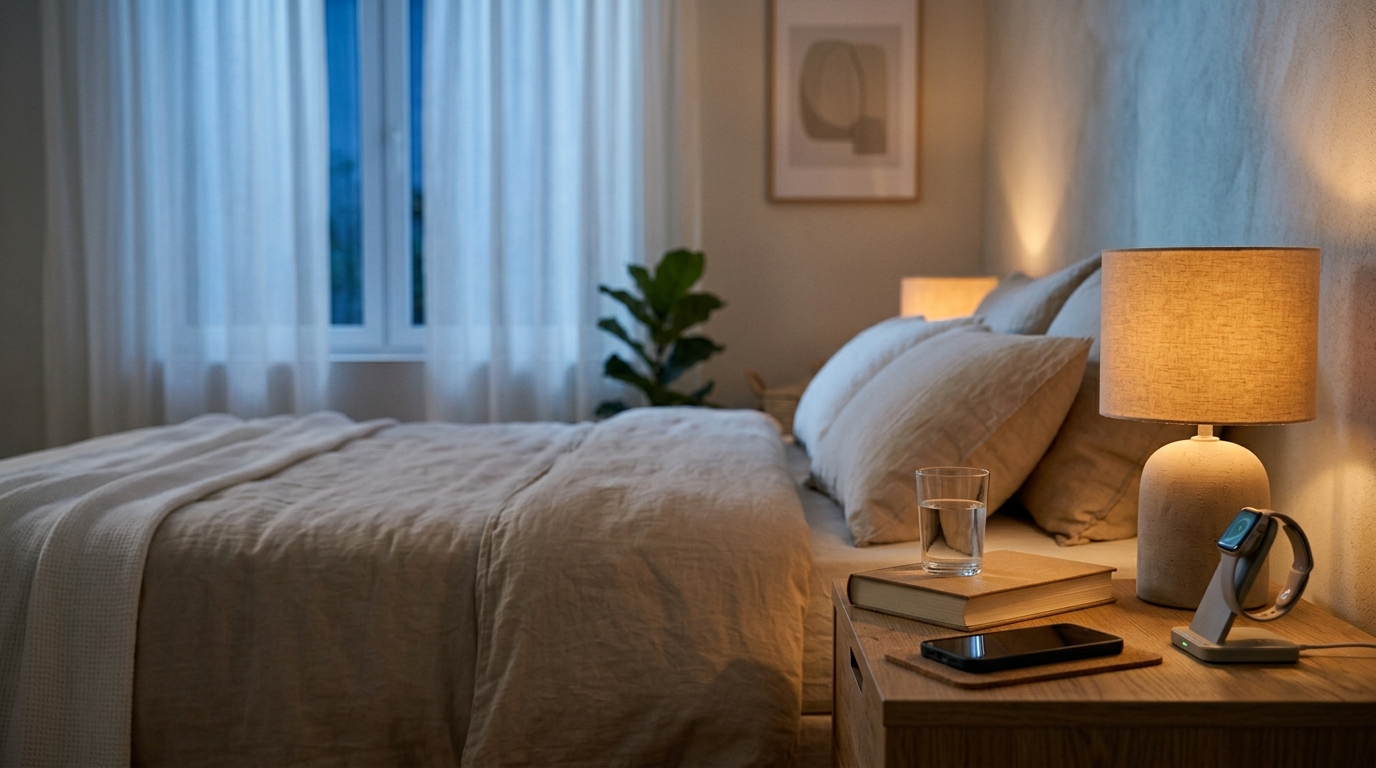
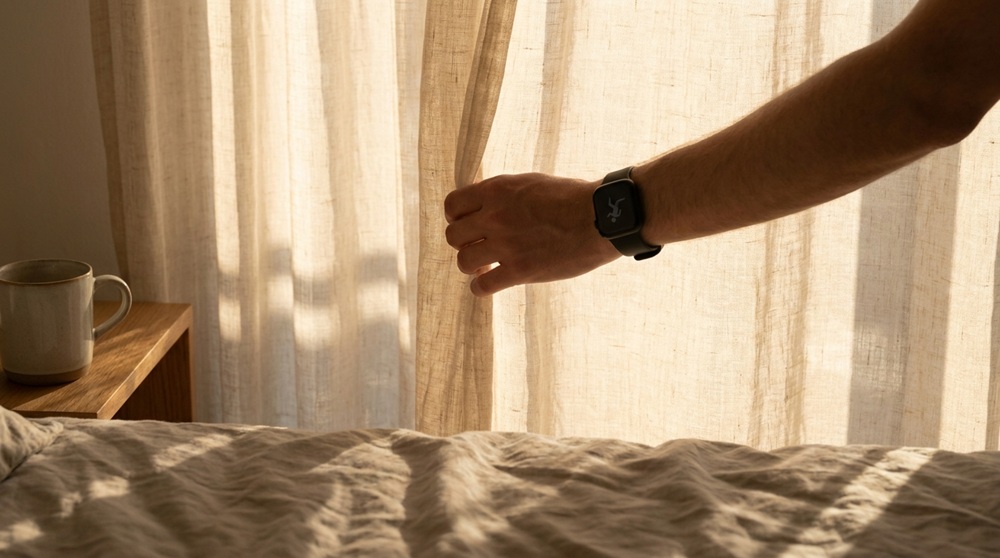
Image Prompt: Cinematic low-light evening scene, realistic texture, minimalist sports aesthetics, person placing smartphone into bedside drawer, paper book and warm lamp nearby, smartwatch visible on wrist, cozy but uncluttered bedroom, shallow depth of field, natural human posture.
Eat Earlier and Let the Evening Slow Down
Earlier meals give the night more breathing room
An earlier dinner is not about strict rules. It is about reducing late-evening friction. A heavy meal close to bed can make the body feel busy when the mind wants to shut down. Lifestyle coverage from Real Simple recently framed late eating as one of the nighttime behaviors worth cutting back because digestion can keep the evening more active than restful.
Reddit-style sleep advice often returns to this same practical pattern: eat earlier, take a gentle walk, keep the evening simple. A Reddit sleep-habit thread specifically lists earlier eating and a pre-sleep walk among the changes that felt useful to the poster. That does not make it universal proof. It does make it a good checklist item to test.
Pair dinner timing with a low-effort reset
Here is a clean experiment: for one week, finish your last full meal at least two hours before bed on four nights. On those nights, add a 10-minute easy walk or a quiet reset task, like washing dishes slowly or setting up tomorrow’s breakfast. Track bedtime drift, awakeness, and how refreshed you feel.
The habit worth keeping is the one that creates a calmer sequence: dinner, light movement, dimmer lights, less scrolling, bed. It feels almost too ordinary to matter. That is why it is easy to underestimate.
The Reddit-inspired sleep checklist

Use this checklist for one week. Keep the items visible and track them with a yes/no mark.
- Morning outdoor light within 30 minutes of waking
- Sleep and wake times within a 30–45 minute window
- Bedroom made cooler, darker, and quieter before bed
- Screen-off ritual started 30–60 minutes before sleep
- Last full meal finished earlier, with a calmer evening buffer
Do not try to perfect all five immediately. Pick two. The best first pair is usually morning light and screen-off timing because they create bookends: a clearer start and a cleaner finish.
Runmefit Product Recommendation Module: Track Habits, Not Guesswork
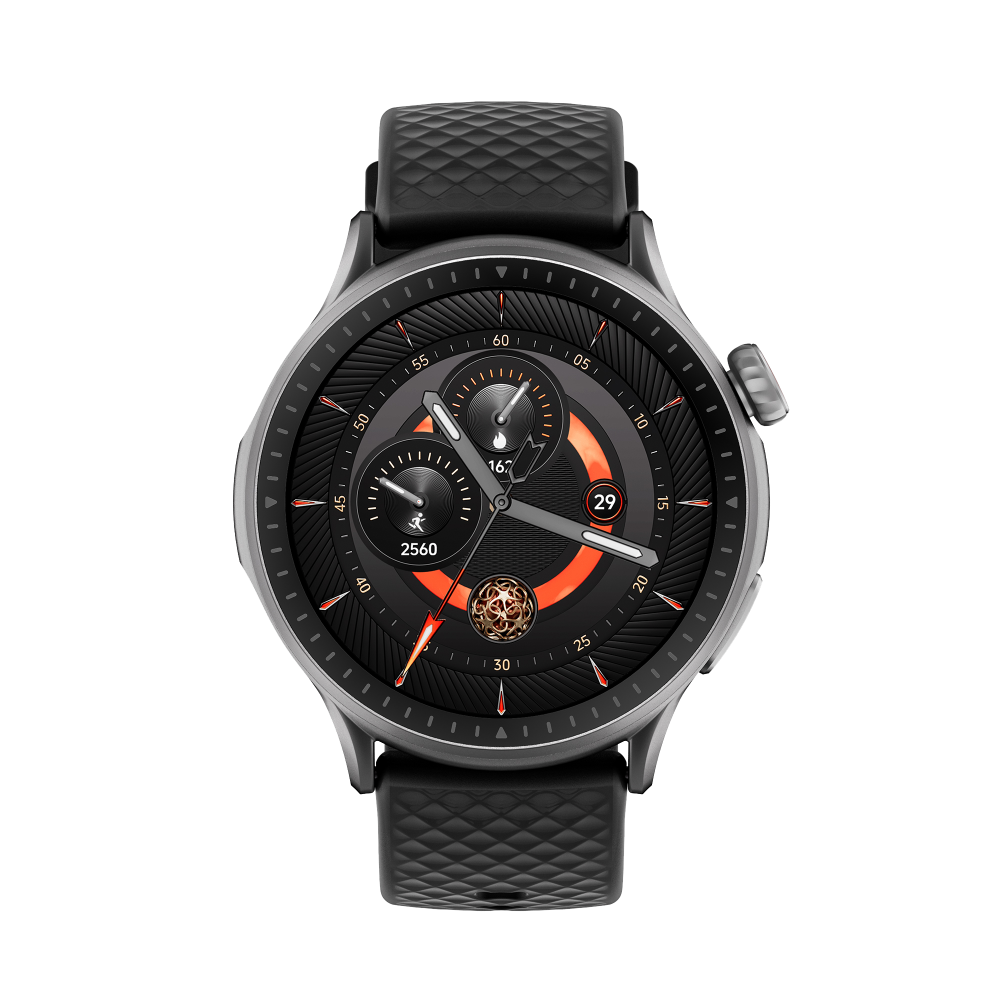
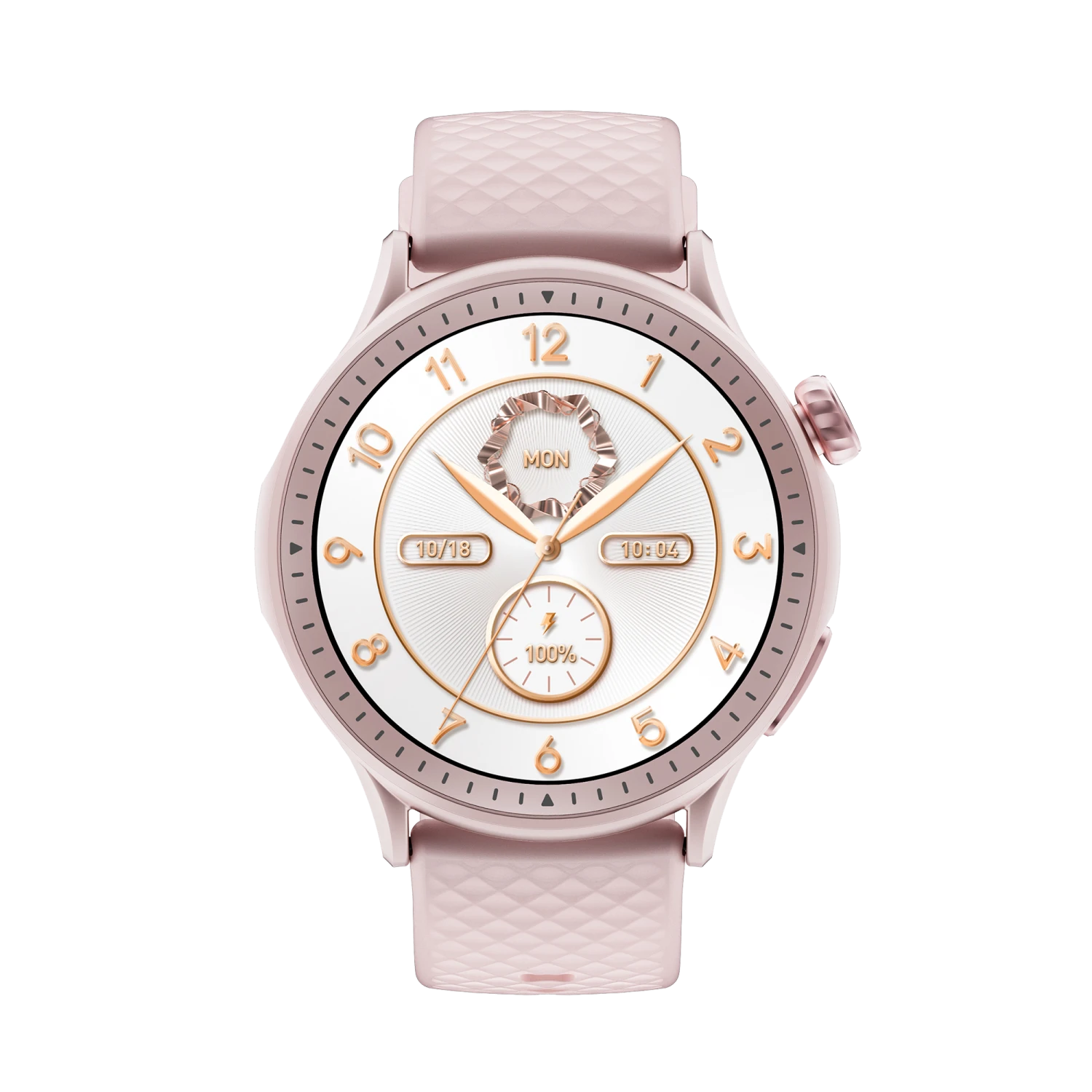
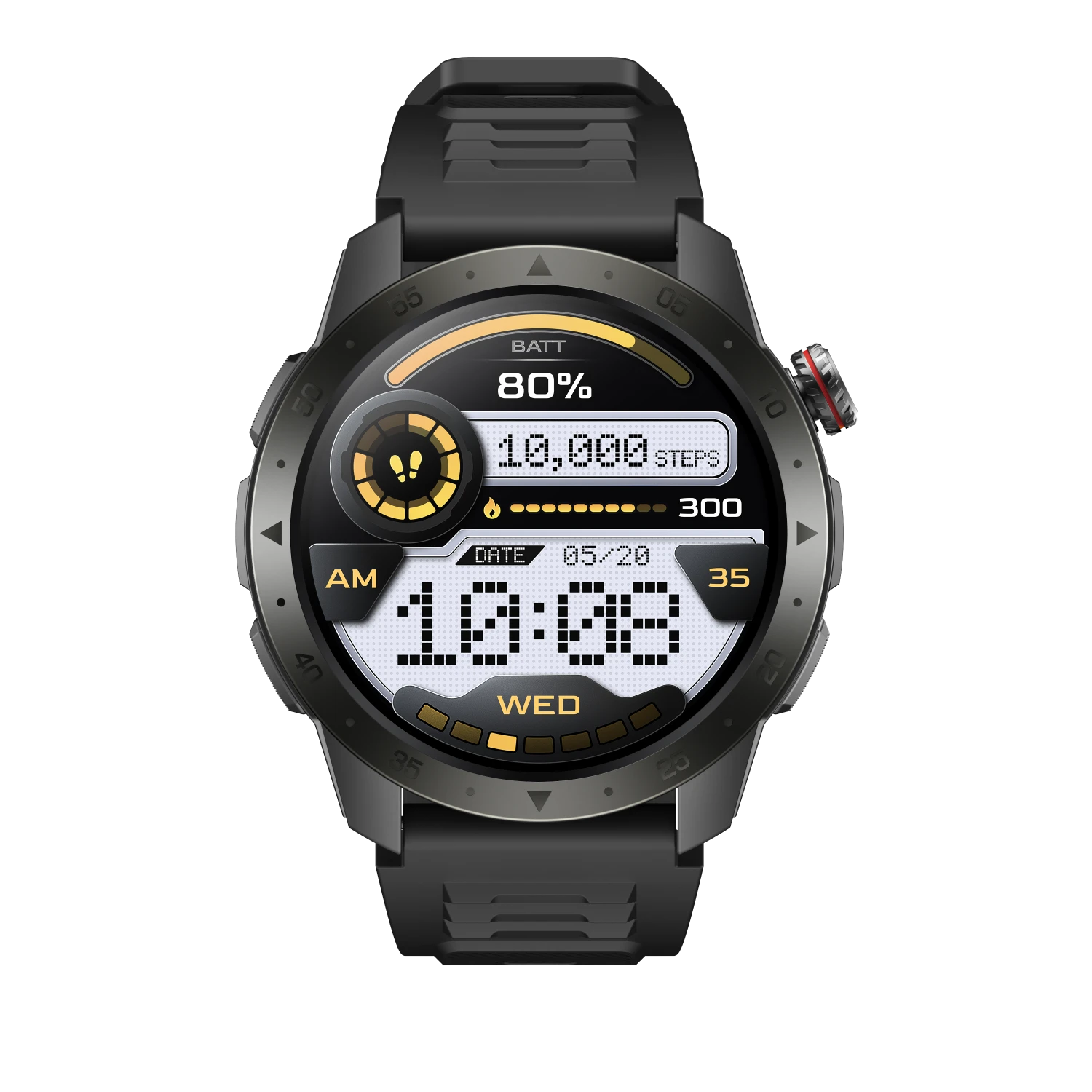
Best all-around sleep habit tracker: Runmefit WATCH 4

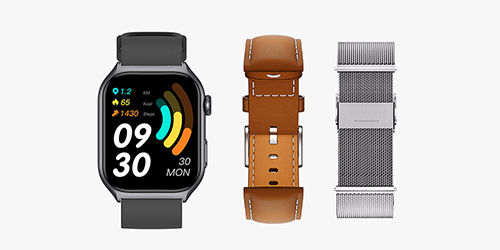
The Runmefit WATCH 4 fits this checklist well because it focuses on everyday health and sleep feedback without making the habit system feel complicated. It offers AI-powered sleep insights, ultra-precise activity tracking, auto run and ride detection, and up to 15 days of battery life on a single charge.
Why it matches this article: use it to connect morning activity, consistent routines, and nightly sleep feedback. The long battery life also matters for sleep tracking because a watch that needs constant charging often misses the night you actually wanted to measure.
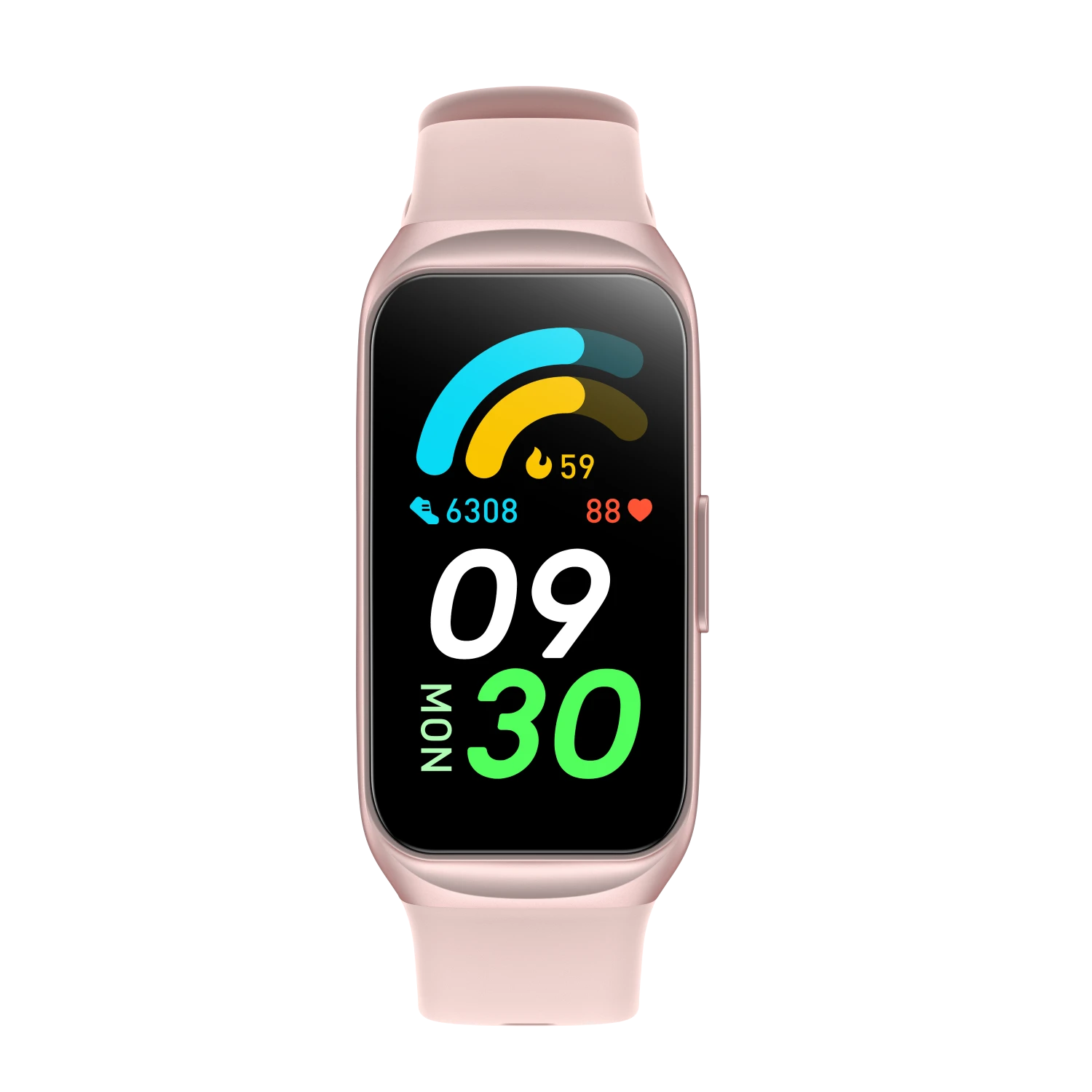
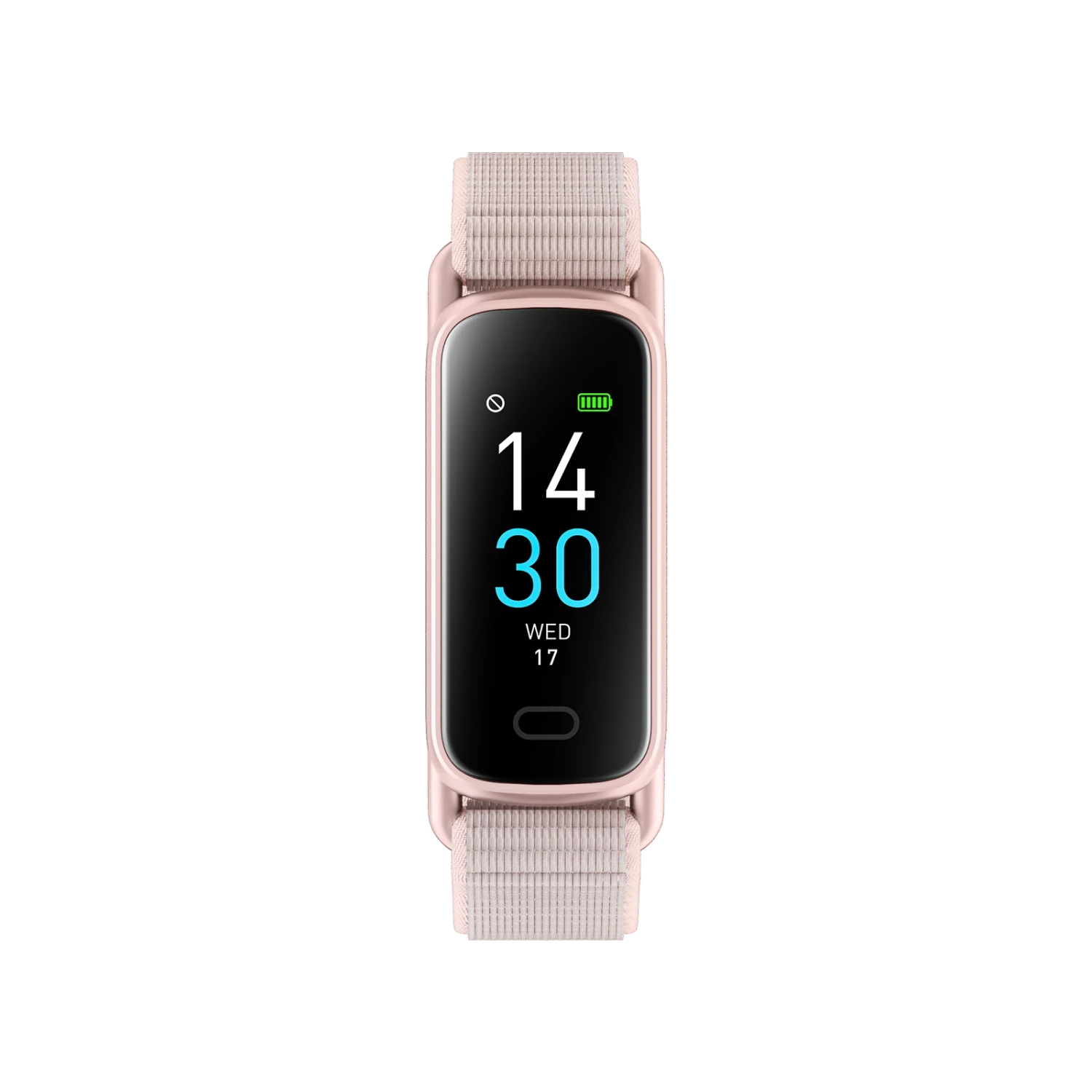
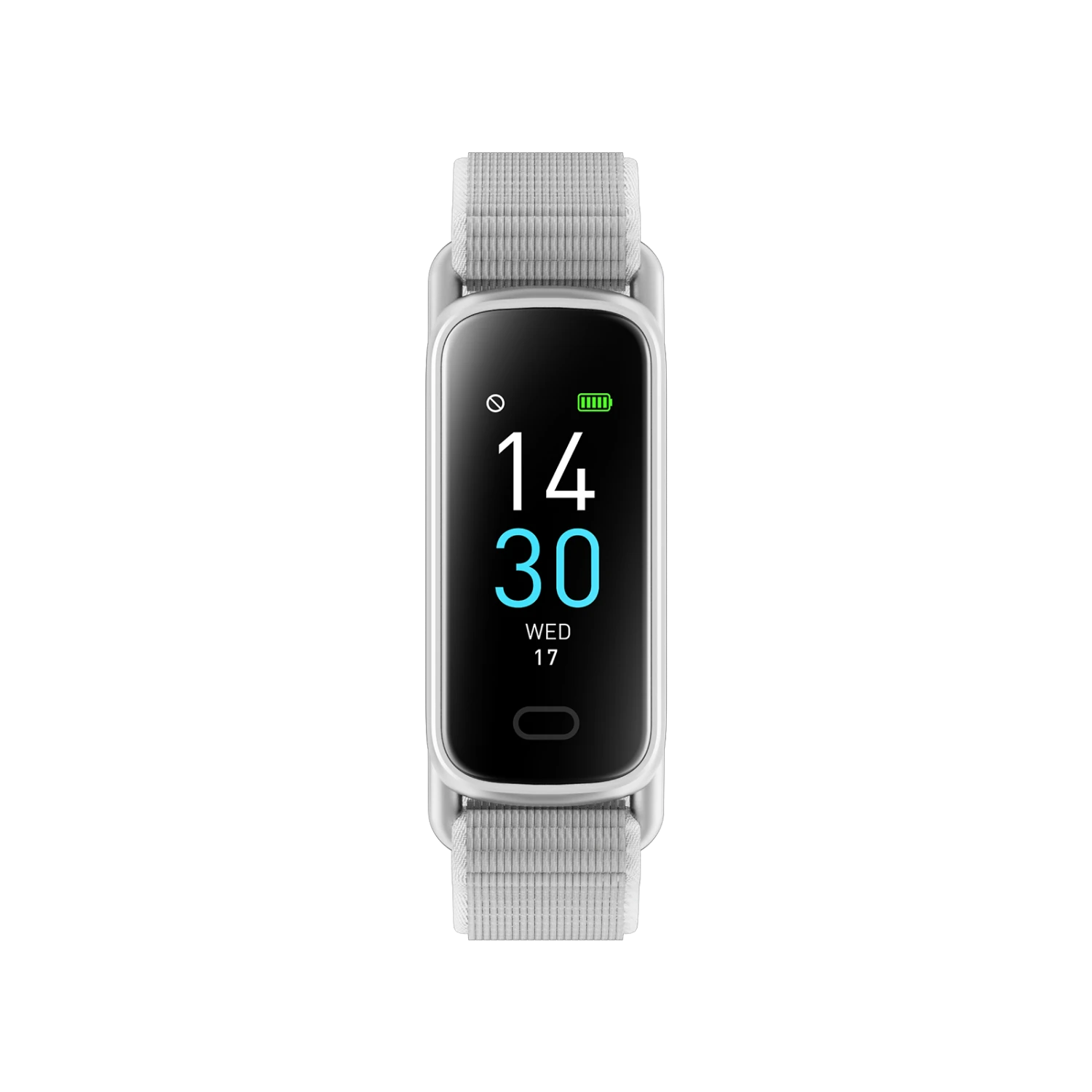
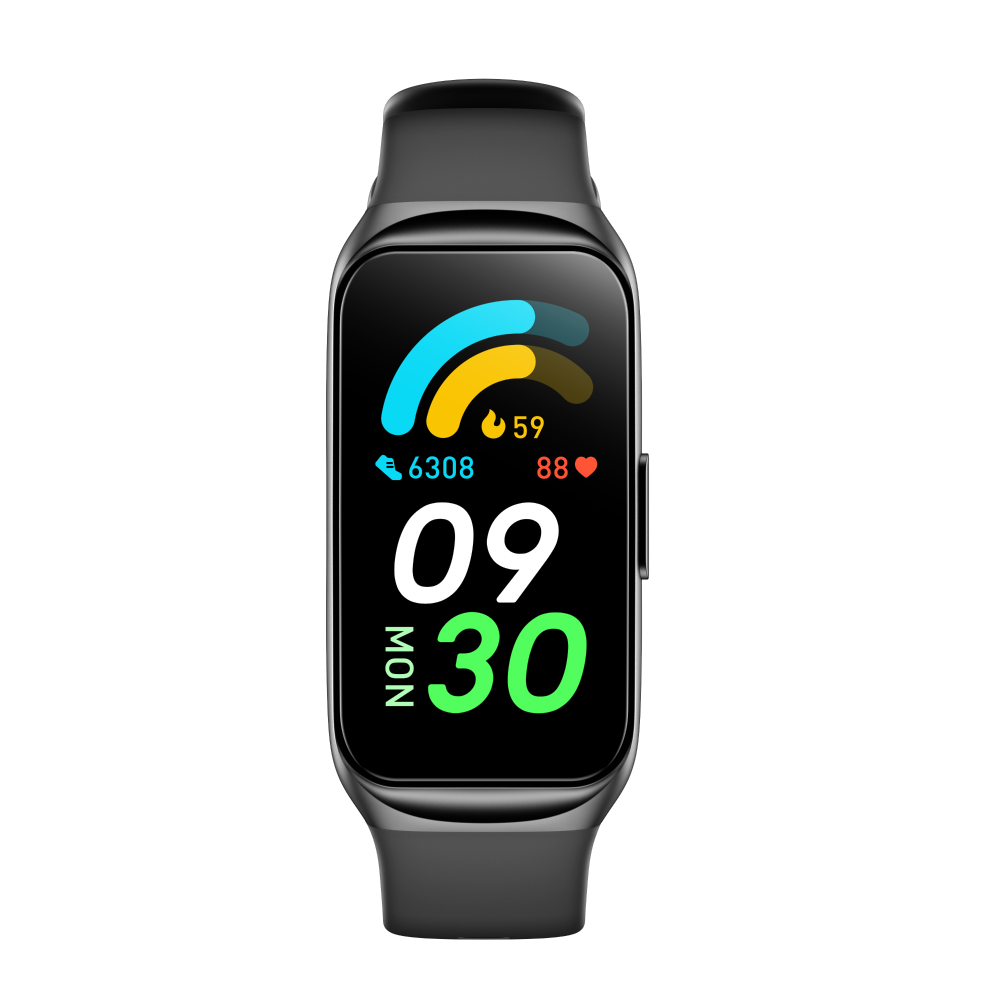
Best lightweight option for overnight comfort: Runmefit GTL2 Fitness Tracker
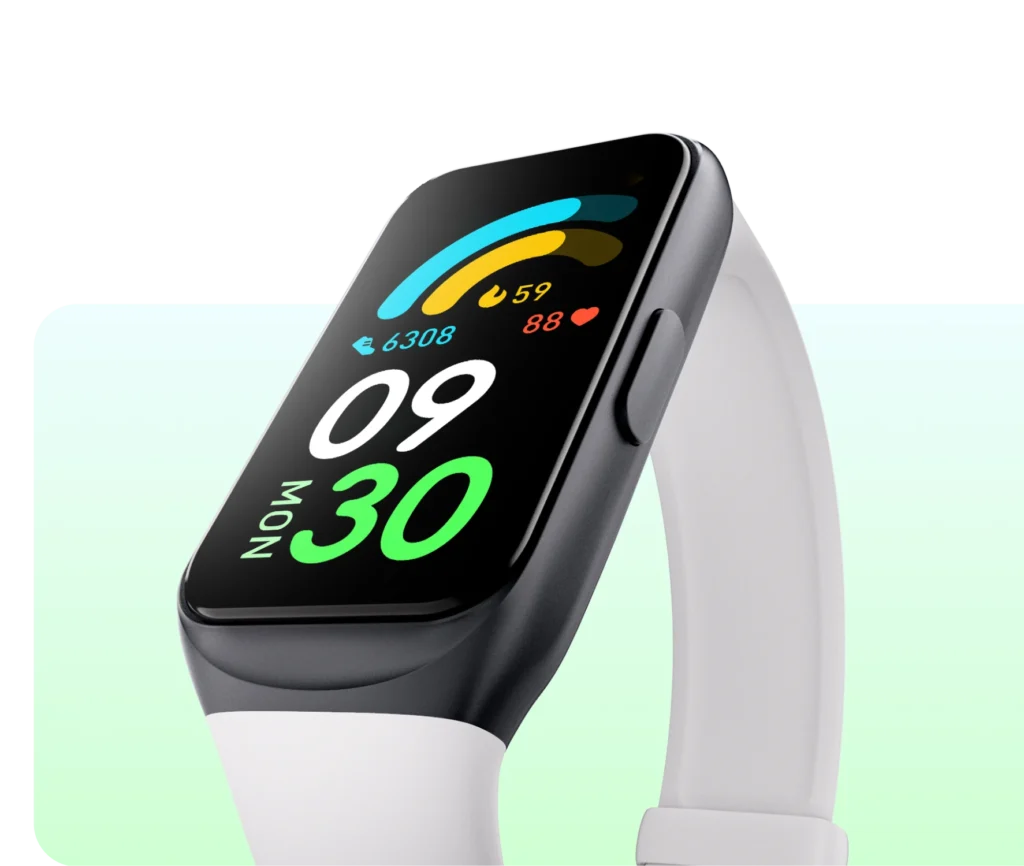
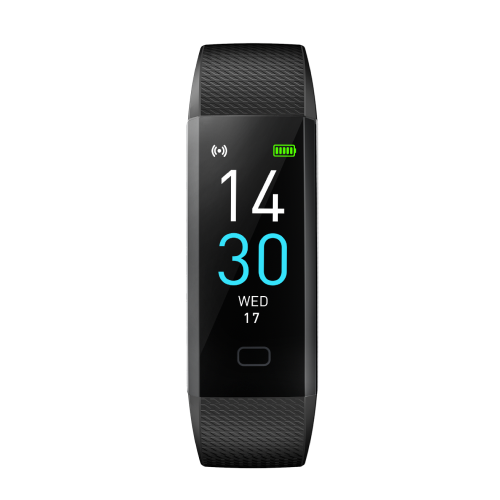
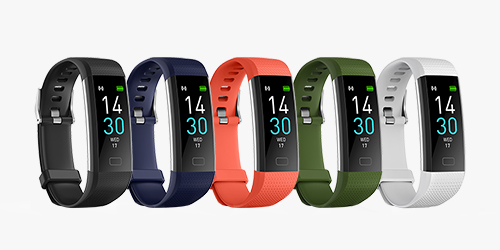
The Runmefit GTL2 Fitness Tracker is designed for people who want a lighter wrist feel at night. It includes sleep tracking and Sleep Score, 100+ sports modes, heart rate and blood oxygen monitoring, IP68 waterproof rating, and up to 10 days of battery life.
Why it matches this article: comfort matters. A sleep tracker only helps if you actually wear it through the night. GTL2 works well for users who want simple, repeatable tracking around the five core habits: light, timing, temperature, screens, and meals.
Keep the habit that gives you useful feedback
Better sleep routines are not built from dramatic promises. They are built from small behaviors that can survive a normal week. Morning light. A realistic schedule window. A cooler room. A phone routine with an ending. Dinner moved a little earlier.
Use the checklist for seven nights, then read the pattern. If your Runmefit data looks smoother when two habits are consistent, keep those. Add the next one only when the first two feel ordinary. That is how a bedtime habit becomes part of your life instead of another task waiting to be abandoned.