Why sleep data can feel confusing at first
If you’ve ever checked your sleep score in the morning and immediately wondered whether it was “good” or “bad,” you’re not alone. Sleep tracking gives people more information than ever before, but that does not always make sleep easier to understand. You may sleep for eight hours and still see a score that feels only average. On another night, your score may look stronger than expected even though you do not feel especially refreshed. That is where the Runmefit Sleep Score is meant to help: instead of focusing only on total sleep time, it is designed to give users a broader picture of whether the night looked sufficient, restorative, and relatively uninterrupted.
Why total sleep time is only part of the story
Most people still think about sleep in terms of hours first, and that makes sense. According to Sleep Foundation’s guide to how much sleep adults need, most adults generally do best with around seven to nine hours of sleep per night. But duration is only one part of a healthy night. Consumer-facing resources such as Cleveland Clinic’s explainer on sleep quality vs. sleep quantity and Johns Hopkins Medicine’s overview of how sleep works both emphasize that sleep quality matters alongside sleep quantity.
That distinction matters because two nights with similar sleep duration can feel completely different the next morning. One may leave you feeling clear-headed and restored, while the other leaves you tired, restless, and mentally foggy. A longer night does not always mean a better night, especially when sleep is light, fragmented, or less restorative than expected. That is exactly why a useful sleep score should reflect more than the clock.
What the Runmefit Sleep Score is designed to reflect
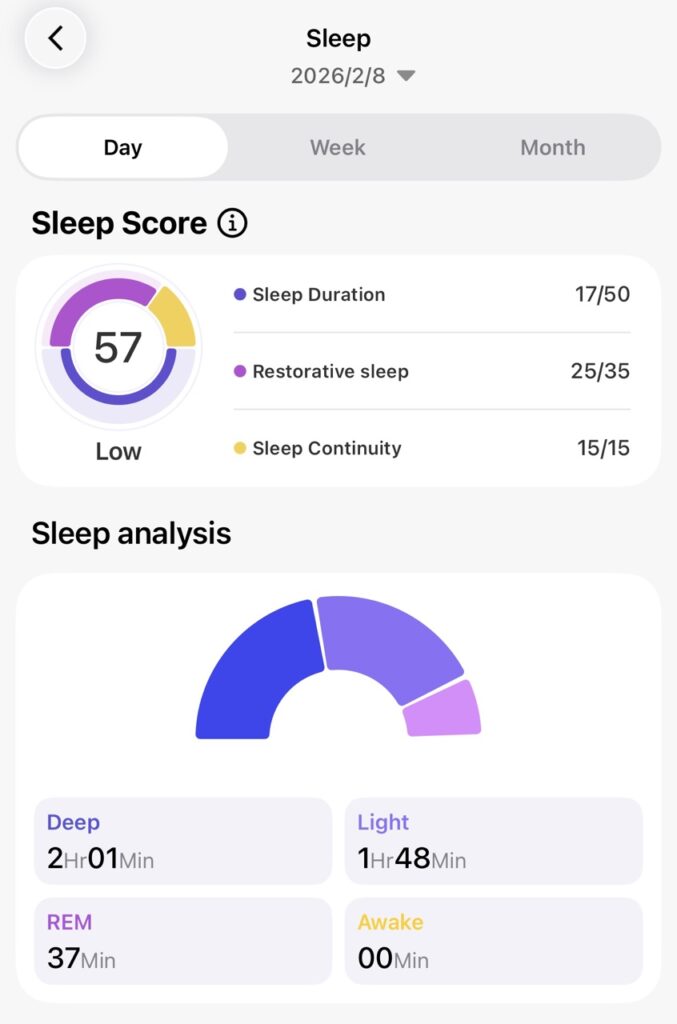
The Runmefit Sleep Score is introduced in the January 2026 app update, available to all users in the Runmefit app. After you sync your watch in the morning, you can find your score reading alongside your previous night’s sleep data and use it as a quick snapshot of how well you may have slept. Did not find it? Update your Runmefit app in the App Store or Google Play now.
The Runmefit Sleep Score is best understood as a nightly summary, not a grade. A stronger score usually means the key parts of a healthy night came together more successfully. A lower score usually suggests that one or more of those parts was weaker. At a practical level, the score is built around three user-friendly questions: did you sleep long enough, did your sleep look restorative, and did your sleep stay relatively uninterrupted?
That broader view makes the score more useful than a simple hours-slept number, because it reflects the overall shape of the night rather than only the total duration. Instead of only asking, “How many hours did I get?” the score is trying to answer a more useful question: “How well did I actually sleep?”
The three things behind a stronger sleep score
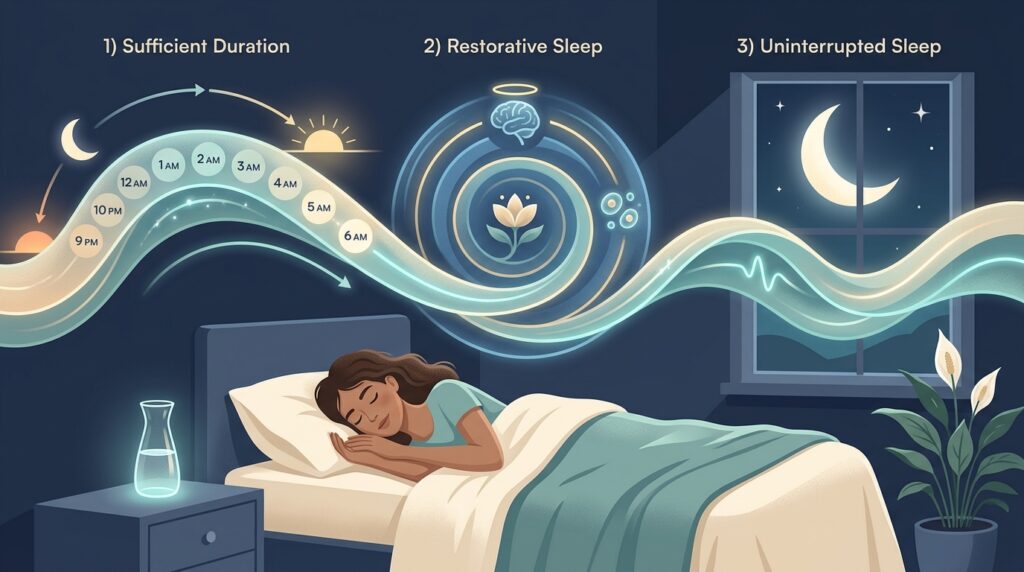
A stronger score usually reflects three things working together:
- Enough total sleep to support overnight recovery
- More restorative sleep, rather than just longer sleep
- Better continuity, with a smoother and less interrupted night
This structure matters because it mirrors how people actually experience sleep in real life. A night can be long enough on paper and still not feel refreshing. It can also be slightly shorter but more solid, more balanced, and easier to recover from the next day.
What “restorative sleep” means in practical terms
When people hear the phrase “restorative sleep,” they often think it sounds abstract, but the idea is actually very intuitive. It simply means sleep that appears more supportive of recovery. As Sleep Foundation explains in its sleep stages guide, deep sleep is commonly associated with physical restoration, while REM sleep plays an important role in memory, learning, and emotional processing. That is one reason a night can look long enough without feeling especially refreshing in practice.
For Runmefit users, this is one of the most helpful ways to interpret the score. A stronger score does not simply suggest that you spent more time asleep. It suggests that your sleep looked more supportive of the kind of recovery people actually notice the next day: clearer thinking, steadier energy, and a more rested feeling overall.
Why continuity matters more than many users expect
A night that stays relatively connected often feels very different from one that is repeatedly interrupted. You may have been in bed long enough, but if your sleep was broken up too often, the overall night may not have been as restorative as the hours suggest. That aligns with the practical guidance in Cleveland Clinic’s sleep quality article, which notes that disrupted sleep can still leave you feeling poorly rested, even when duration looks acceptable.
This is also why sleep continuity is such a helpful concept in a wearable score. It explains a very common user experience: being in bed all night and still feeling like you never truly slept well. In that sense, continuity is often the missing piece between “I slept enough” and “I feel rested.”
What a stronger score usually means
| What the score suggests | What it often means in real life |
|---|---|
| Enough sleep | You got a solid amount of overnight rest |
| More restorative sleep | Your night looked more supportive of recovery |
| Better continuity | Your sleep was smoother and less interrupted |
| More balanced overall sleep | The major pieces of a healthy night worked together well |
A lower score does not necessarily mean the entire night was bad. More often, it means one important part of the night was weaker than the others.
Why your score may be only fair after eight hours of sleep

This is one of the most common questions users have when they start paying attention to sleep data. It is easy to assume that eight hours should automatically equal a high score. But in real life, sleep does not work that way. A “fair” score after a full night often means that one part of the night looked decent while another part held things back.
For example, a middling score after a longer night may mean:
- your total sleep time was solid, but the night was more interrupted than expected
- you spent enough time asleep, but the sleep looked less restorative overall
- the night was long enough, but not especially balanced from start to finish
That is also consistent with how consumer sleep-tech coverage explains sleep scores. In Tom’s Guide’s discussion of why a sleep score can stay low even after eight hours, the same general pattern appears: sleep quality, fragmentation, and routine can all matter as much as duration alone.
How to use your Runmefit Sleep Score in a healthy way
The smartest way to use your sleep score is to treat it as feedback, not judgment. A single night never tells the whole story. One low score after a stressful evening or a late bedtime is not unusual. One high score does not mean your sleep routine is permanently solved, either. What matters more is the pattern that forms over time.
A healthy way to use the score is to look for patterns like these:
- Bedtime consistency: Do your scores improve when you go to bed at a similar time each night?
- Sleep protection: Do your scores drop when you shorten your sleep window?
- Evening habits: Do caffeine, alcohol, late meals, or screen time seem to affect your night?
- Next-day energy: Do you feel sharper and more refreshed after stronger scores?
This pattern-based approach also matches mainstream sleep guidance. Sleep Foundation and Johns Hopkins Medicine both frame sleep as a broader recovery process rather than a single number to chase.
Read Your Runmefit Sleep Score In the App
| Sleep Score Range | What It May Indicate |
|---|---|
| 90–100 | Your sleep likely looked very strong overall. You probably got enough sleep, your night appeared more restorative, and your sleep stayed relatively smooth and uninterrupted. |
| 80–89 | Your sleep was likely solid across the main areas that matter. This usually suggests a good balance of sleep duration, restoration, and continuity. |
| 65–79 | Your sleep was likely decent overall, but there may have been some room for improvement. For example, your sleep may have been long enough but less restorative, or your night may have included more interruptions than expected. |
| 50–64 | Your sleep may have fallen short in one or more important areas. This could reflect shorter sleep, a less restorative night, or more broken-up sleep overall. |
| Below 50 | Your sleep likely showed more noticeable weaknesses overall. In many cases, this may suggest that the night was too short, too fragmented, or less supportive of recovery. |
| If your score is higher | If your score is lower |
|---|---|
| Your sleep was likely more complete overall | One or more parts of the night were likely weaker |
| You likely slept long enough | Your sleep may have been too short |
| Your night may have looked more restorative | Your sleep may have looked less restorative |
| Your sleep may have stayed smoother overnight | Your night may have been more fragmented |
This is what makes the Runmefit Sleep Score useful. It does not only tell you how long you slept. It gives you a clearer way to understand how the night may have functioned overall.
Get a Runmefit Sleep Score-ready watch
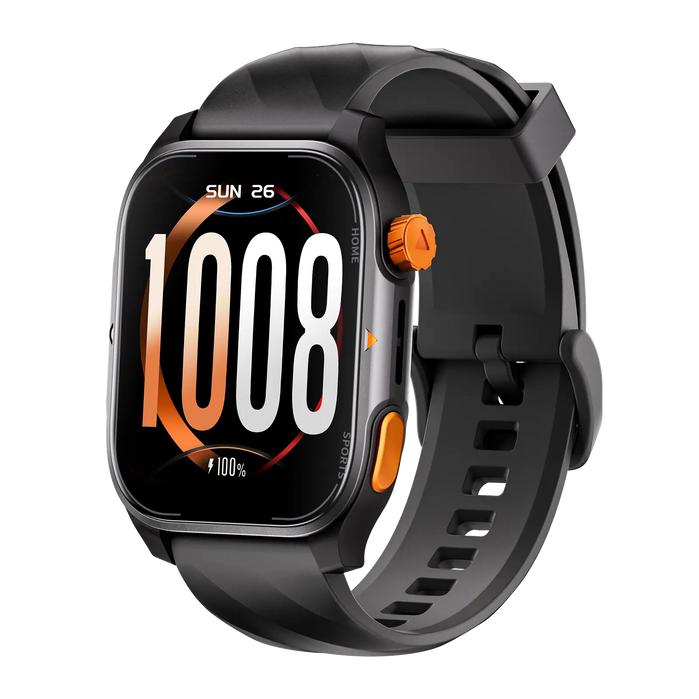
If you are ready to start tracking your Sleep Score, choosing a compatible Runmefit watch is the first step. By wearing your watch overnight and syncing your previous night’s sleep data in the Runmefit app the next morning, you can view your Sleep Score and start building a clearer picture of your sleep patterns over time.
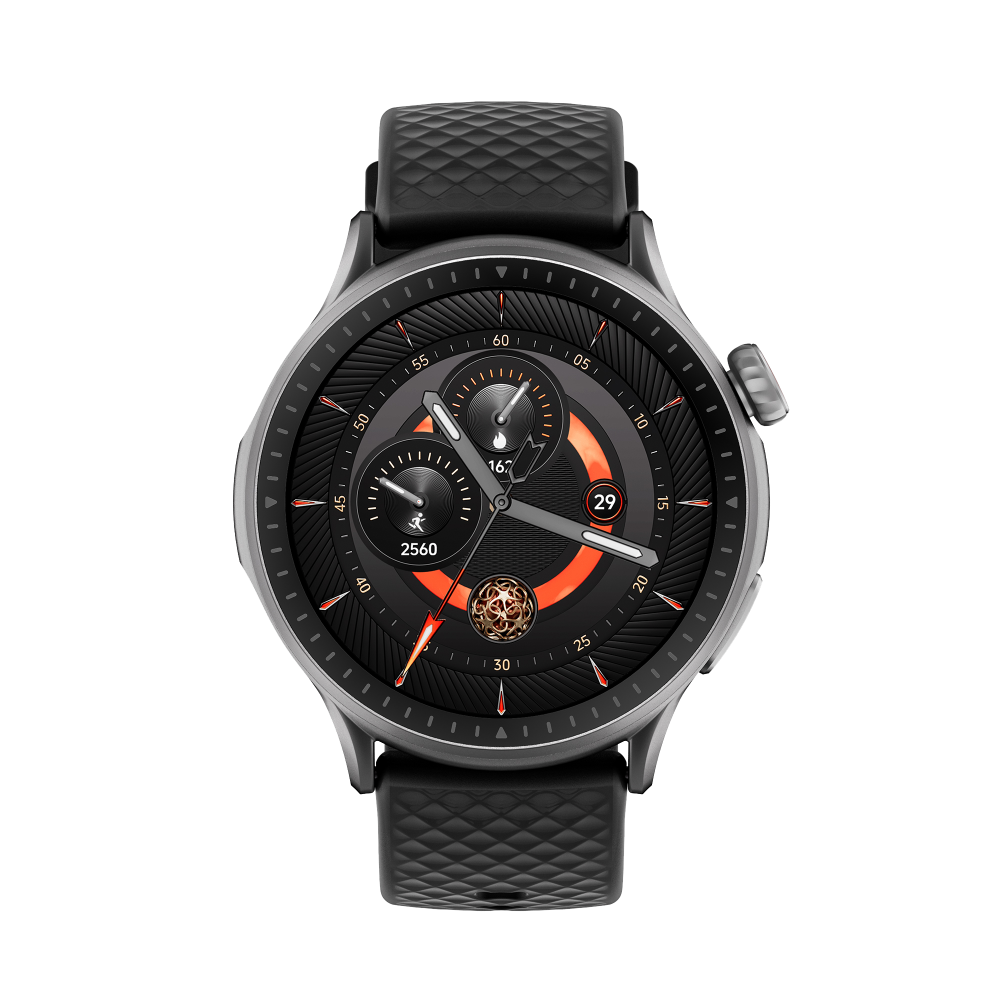
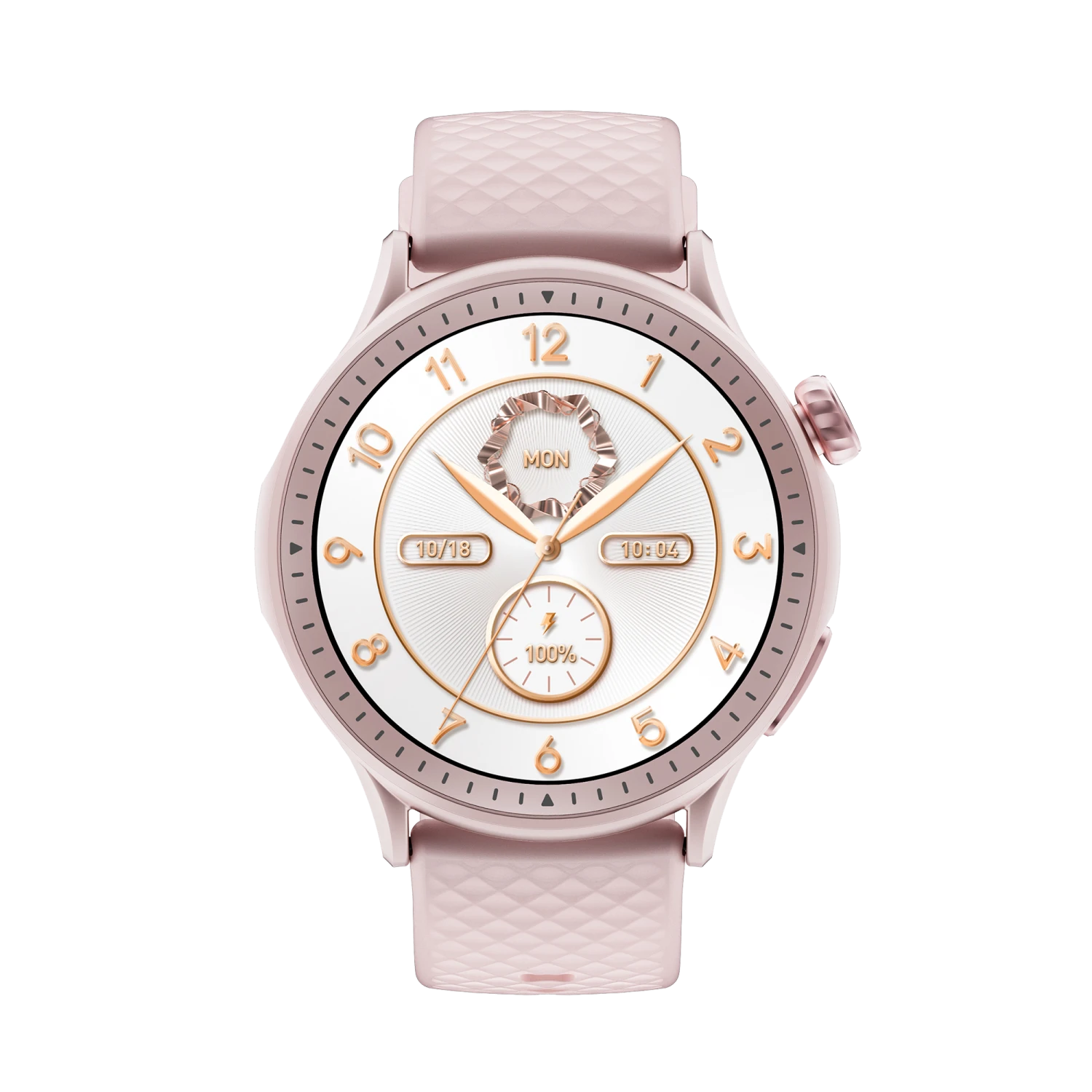
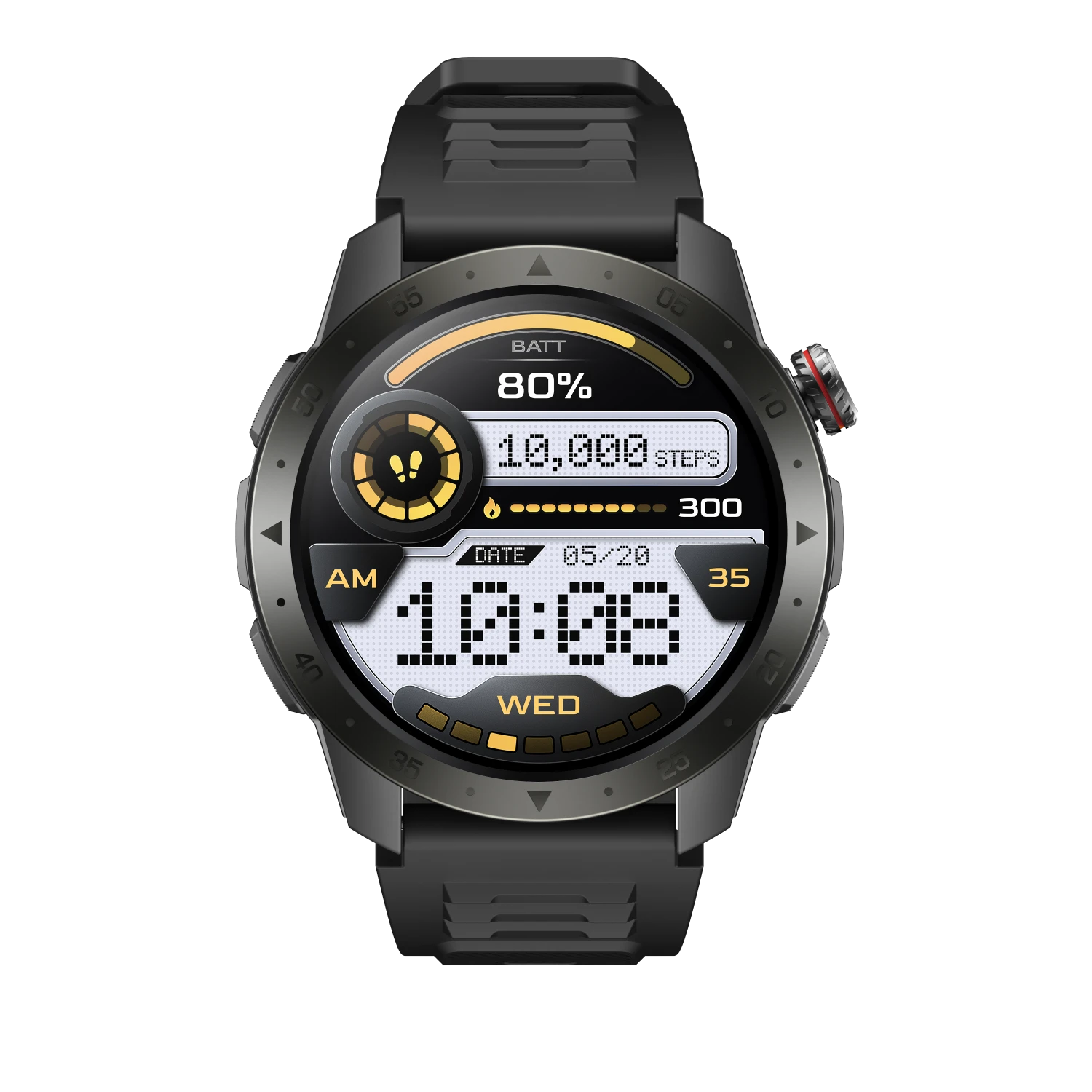
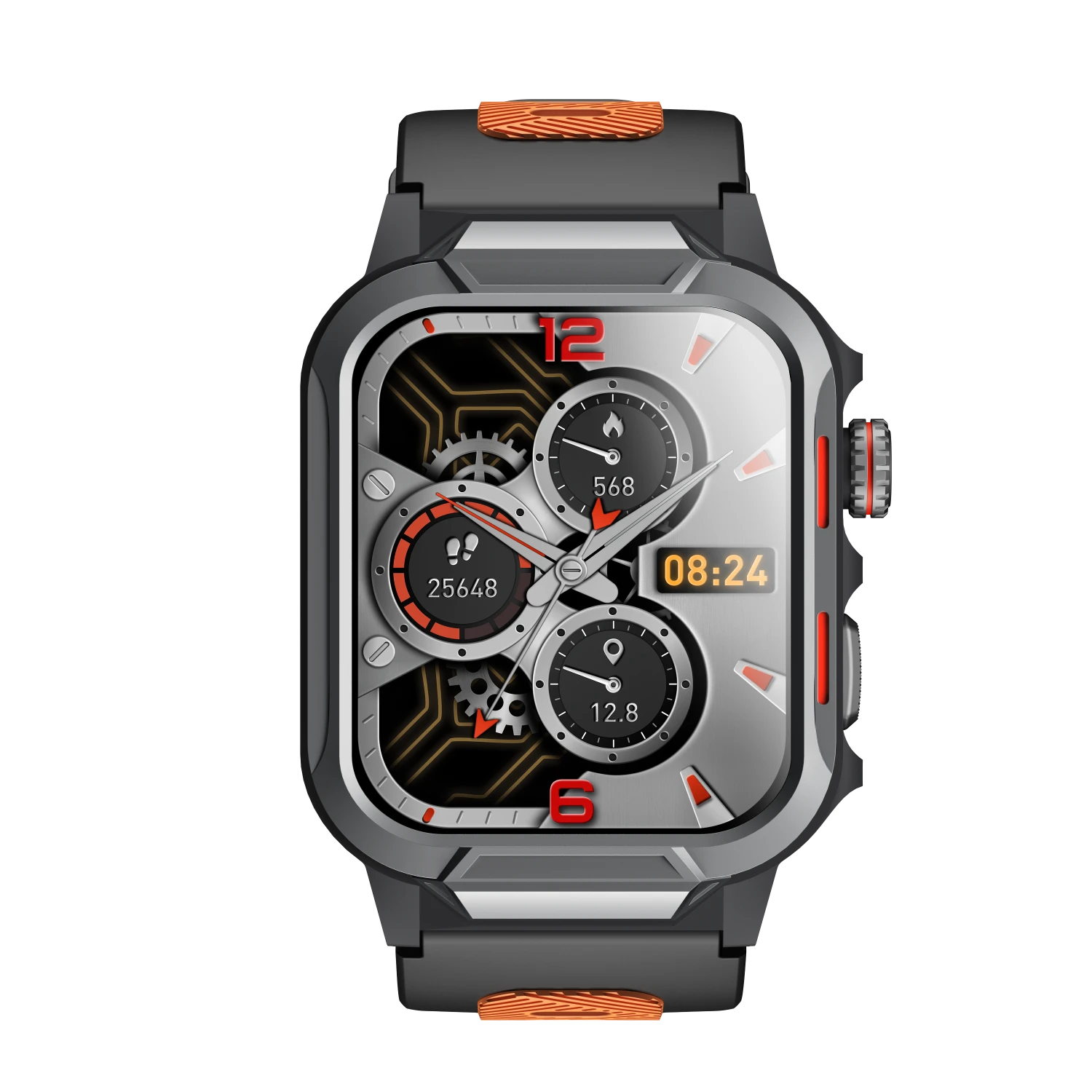
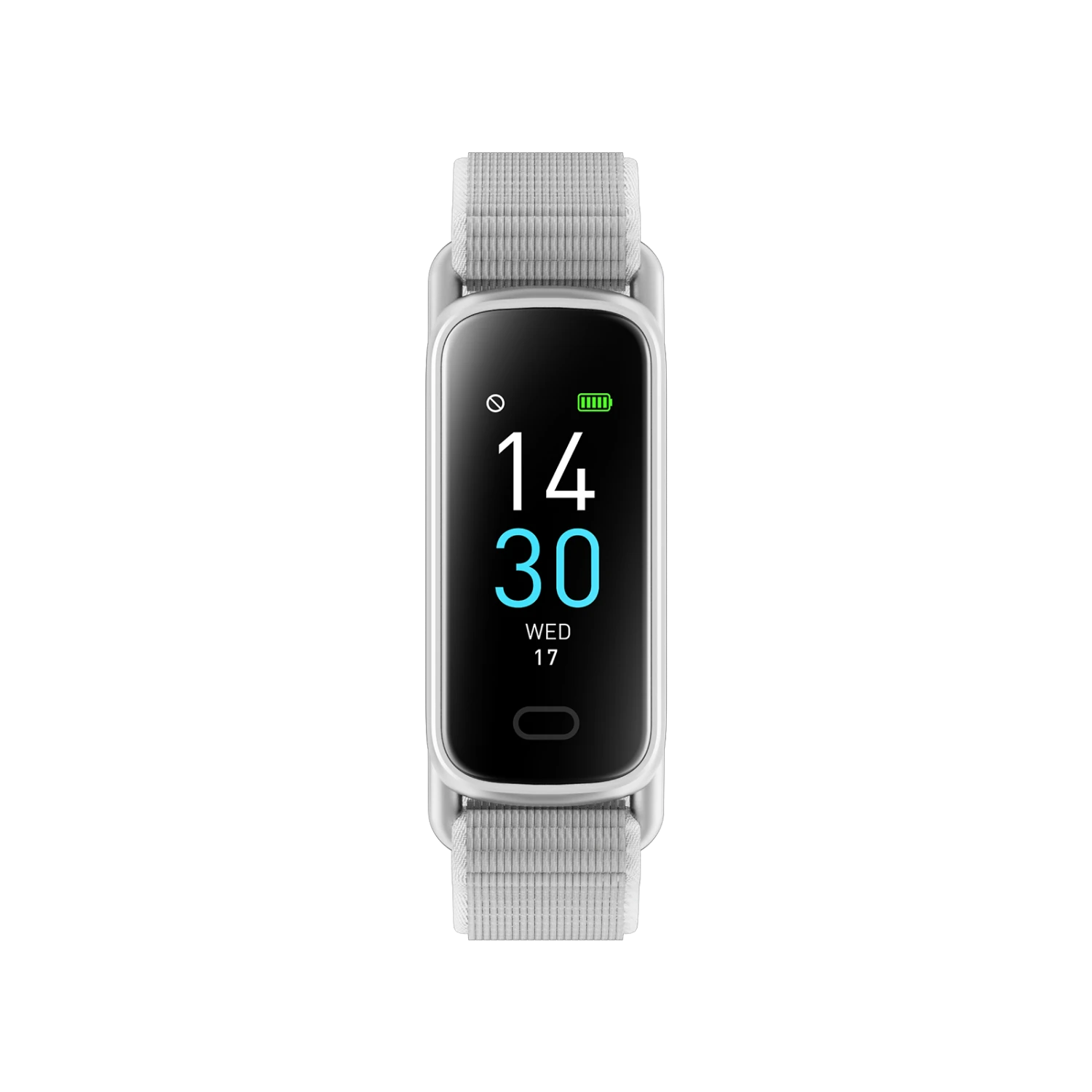
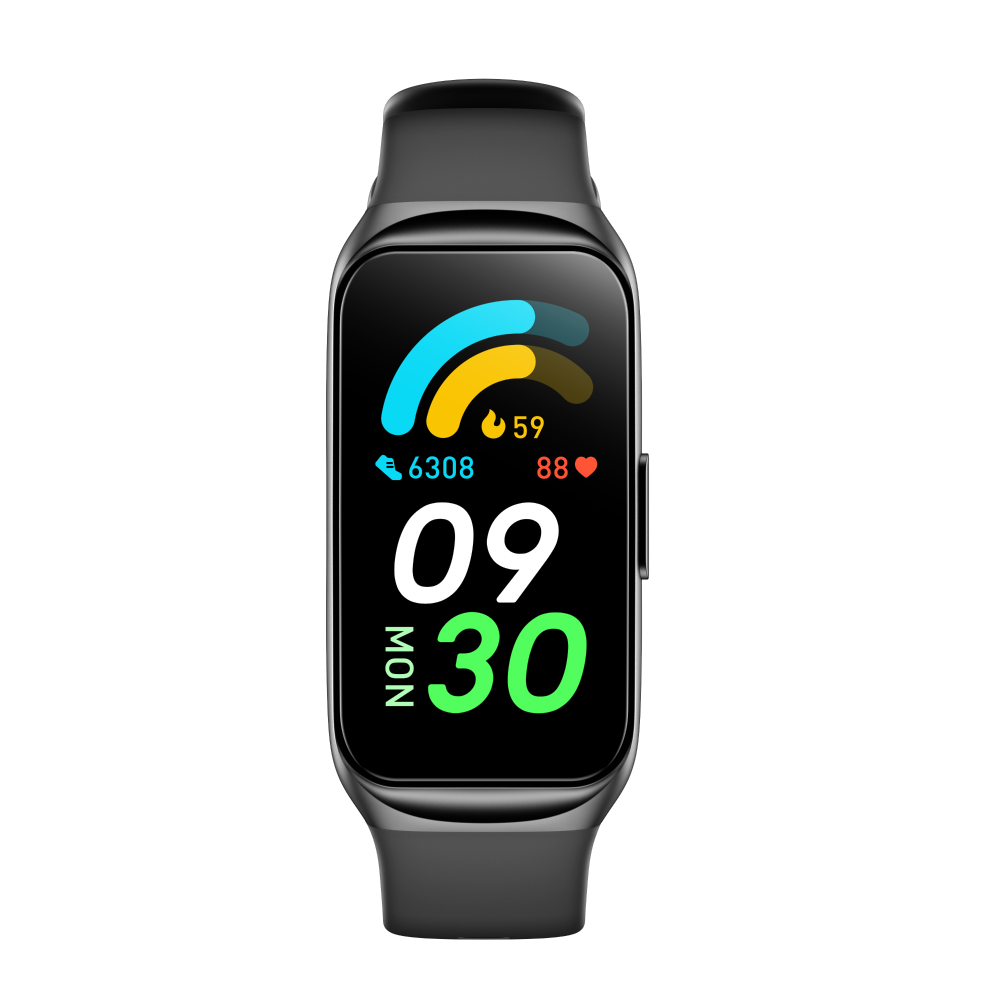
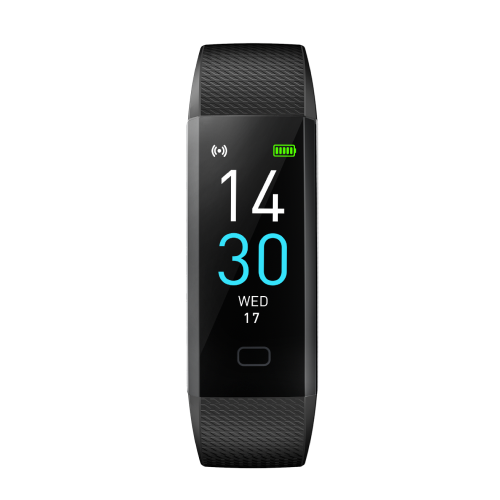
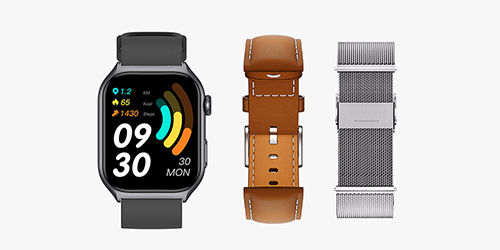
For users looking for a Sleep Score-ready option, WATCH 3 Active and WATCH 4 are two Runmefit models worth considering. Both are designed for users who want an easy way to bring sleep tracking into their daily routine and better understand how their nights look beyond sleep duration alone.
Whether you are trying to improve your bedtime habits, spot patterns in your routine, or simply get a clearer snapshot of your rest, starting with a Runmefit watch like WATCH 3 Active or WATCH 4 can make your sleep data more useful and easier to follow.

Final thoughts
Your Runmefit Sleep Score is best used as a guide to understanding your nights, not as a verdict on your health. A stronger score usually means your sleep looked more sufficient, more restorative, and smoother overall. A lower score usually means at least one of those pieces was weaker. That is what makes the score worth paying attention to. It gives you a clearer way to read your sleep and a more practical way to learn from it over time.
The next time you sync your watch in the morning, try asking a different question. Instead of wondering whether the number is simply good or bad, ask what it might be showing you about the night you just had. That shift in perspective is what turns sleep tracking from passive data into something genuinely useful.