In today’s hyper-connected lifestyle, the boundary between “on” and “off” has blurred. We often find ourselves in a state of chronic sympathetic nervous system activation, which scientists call it the “stress response.” While we cannot always control our external environment, we have an internal remote control that can override this system: breathing.
However, to master your physiology, you must understand the tools at your disposal. Many people use the terms breath control, breathing techniques, and breathing training interchangeably, but they represent different levels of mastery.
- Breath Control refers to the conscious act of taking over control from the autonomic nervous system.
- Breathing Techniques are the specific formulas or methods used to achieve particular effects, such as the 4-7-8 breathing method.
- Breathing Training, or we called Breathing Exercise, is the long-term practice of these methods to strengthen the diaphragm and improve your stress resilience.
In this comprehensive guide, we will explore how to use these tools to relieve stress and achieve a state of less stress in seconds.
The Science of Breath Control: Why It Works
When you are under pressure, your breathing becomes shallow and thoracic (centered in the chest). This send a distress signal to the brain, which in turn releases more cortisol, making you feel even more anxious. By exercising breath control, you break this dangerous feedback loop.
Tips to Check If You Are Chest Breathing Now
Place one hand on your chest and the other on your belly. Take a deep breath.
- If only your top hand moves, you are trapped in a “stress breath.”
- If you’re breathing properly, your abdomen should expand and contract with each breath (and the hand on it should raise the most).
Like aerobic exercise improves your heart function, mastering breath control improve lung efficiency, allowing you to shut down distress signals in seconds. By consciously moving the breath down into the diaphragm (your lower abdomen), you physically force your nervous system to exit “fight or flight” mode and enter a state of calm.
3 Powerful Deep Breathing Exercises For Less Stress & Better Health
Once you recognize that your breathing has become shallow, the next step is to actively retrain your body. You don’t need a meditation retreat or hours of free time to see results; you simply need the right breathing technique. Think of these exercises as a “manual override” for your brain. By changing the rhythm and depth of your breath, you are performing a form of breathing training that strengthens your resilience over time.
Whether you need to relieve stress before a big presentation or want to achieve a state of less stress before bed, these three proven methods provide the fastest path to mental and physical equilibrium.
1. Diaphragmatic Breathing (The Foundation)
Also known as “Belly Breathing,” this is the most fundamental breathing technique. It engages the large muscle at the base of your lungs, the diaphragm, rather than the small muscles of your upper chest and shoulders.
Pro Tip: If you have trouble feeling this movement at first, try practicing while sitting or lying on your back with your knees bent. This position makes it much easier to feel your diaphragm expanding and contracting.
How It Helps:
By strengthening your diaphragm muscles, you maximize oxygen exchange and reduce the physical “tightness” in the chest and throat often associated with anxiety. This breathing exercise is particularly beneficial for those with conditions that make breathing difficult, such as asthma or COPD.
Step-by-Step:
- Sit or lie down in a comfortable position.
- Place one hand on your upper chest and the other just below your rib cage.
- Inhale slowly through your nose so that your stomach moves out against your hand. The hand on your chest should remain as still as possible.
- Tighten your stomach muscles and let them fall inward as you exhale through pursed lips.
- Continue for 3–5 minutes.
2. The 4-7-8 Technique (The Natural Tranquilizer)
This rhythmic breathing exercise is a powerful tool for breath control. It forces the heart rate to slow down by extending the exhalation and incorporating a breath hold.
How it helps: It is exceptionally effective for stopping a panic attack in its tracks or preparing the body for sleep.
Step-by-Step:
- Exhale completely through your mouth, making a “whoosh” sound.
- Close your mouth and inhale quietly through your nose to a count of 4.
- Hold your breath for a count of 7.
- Exhale completely through your mouth to a count of 8, making a “whoosh” sound again.
- Repeat the cycle 4 times initially, working up to 8 cycles over time.
3. Alternate Nostril Breathing (Nadi Shodhana)
A sophisticated breathing technique from the yogic tradition, this method focuses on balancing the two hemispheres of the brain and cleaning the “nadis” (energy channels).
How it helps: It brings immediate mental clarity and emotional balance, making it perfect for “brain fog.”
Step-by-Step:
- Sit in a comfortable, upright position.
- Rest your left hand on your lap. Bring your right hand to your face.
- Use your right thumb to close your right nostril. Inhale deeply through the left nostril.
- Close the left nostril with your ring finger, then release the thumb and exhale through the right nostril.
- Inhale through the right nostril, close it, then release the left and exhale.
- Repeat for 5–10 cycles.
Note for Expecting Mothers: If you are pregnant, please don’t do this and other breathing techniques that requires holding your breath. Ensuring optimal oxygen supply for you and your baby is a priority; holding your breath can affect blood pressure and oxygen flow. Always consult your doctor before trying any method.
More Long-Term Benefits of Breathing Exercises
While the immediate goal of breath control is to relieve stress, the physiological impact goes much deeper. Consistent breathing training is just like a software update for your body, optimizing your body systems you might not expect.
- Boosted Immune Response: Deep belly breathing helps the lymphatic system move waste products through the body more efficiently. By reducing cortisol, you also prevent the stress-induced suppression of your immune system, helping you stay healthy during flu season.
- Improved Digestive Health: The “Rest and Digest” state (parasympathetic nervous system) is essential for gut motility. If you eat while stressed, your digestion slows down. A quick breathing exercise before meals can reduce bloating and improve nutrient absorption.
- Natural Pain Management: Deep breathing triggers the release of endorphins—the body’s natural painkillers. It is a common technique used to manage chronic pain and tension headaches often caused by staring at office monitors.
- Better Physical Endurance: Just as aerobic exercise strengthens your heart, training your respiratory muscles allows you to exert more energy with less effort. You’ll find yourself less winded during workouts or even while climbing stairs.
- Enhanced Emotional Intelligence: When you master your breath, you create a “gap” between a stressful event and your reaction. This leads to better relationships and more thoughtful decision-making at work.
Is It Safe for Me?
Most can practice these safely. However, if you feel dizzy or lightheaded, stop and return to your natural rhythm. If you have chronic heart or lung conditions, consult your doctor before starting a new intensive breathing technique routine.
The Takeaway: Track Your Calm with Runmefit
The hardest part of breathing training is knowing if it’s actually working. That’s where we come in.
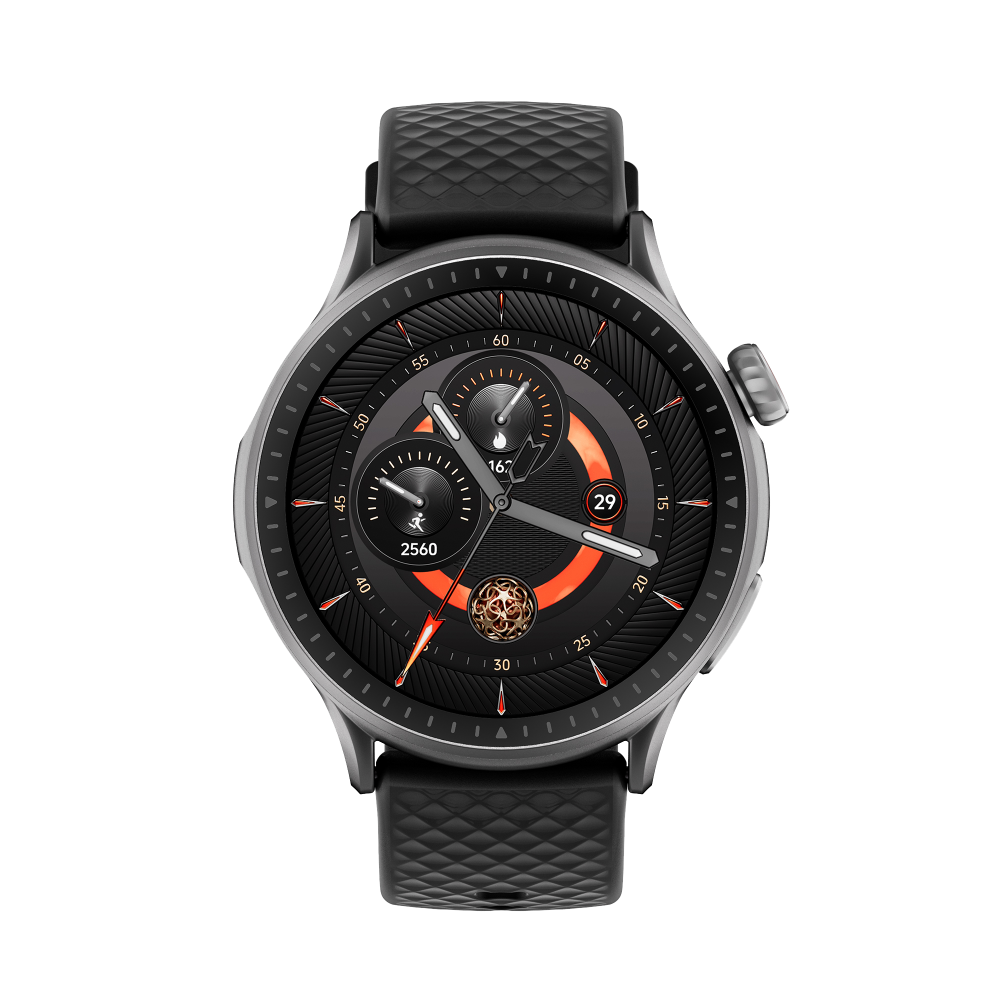
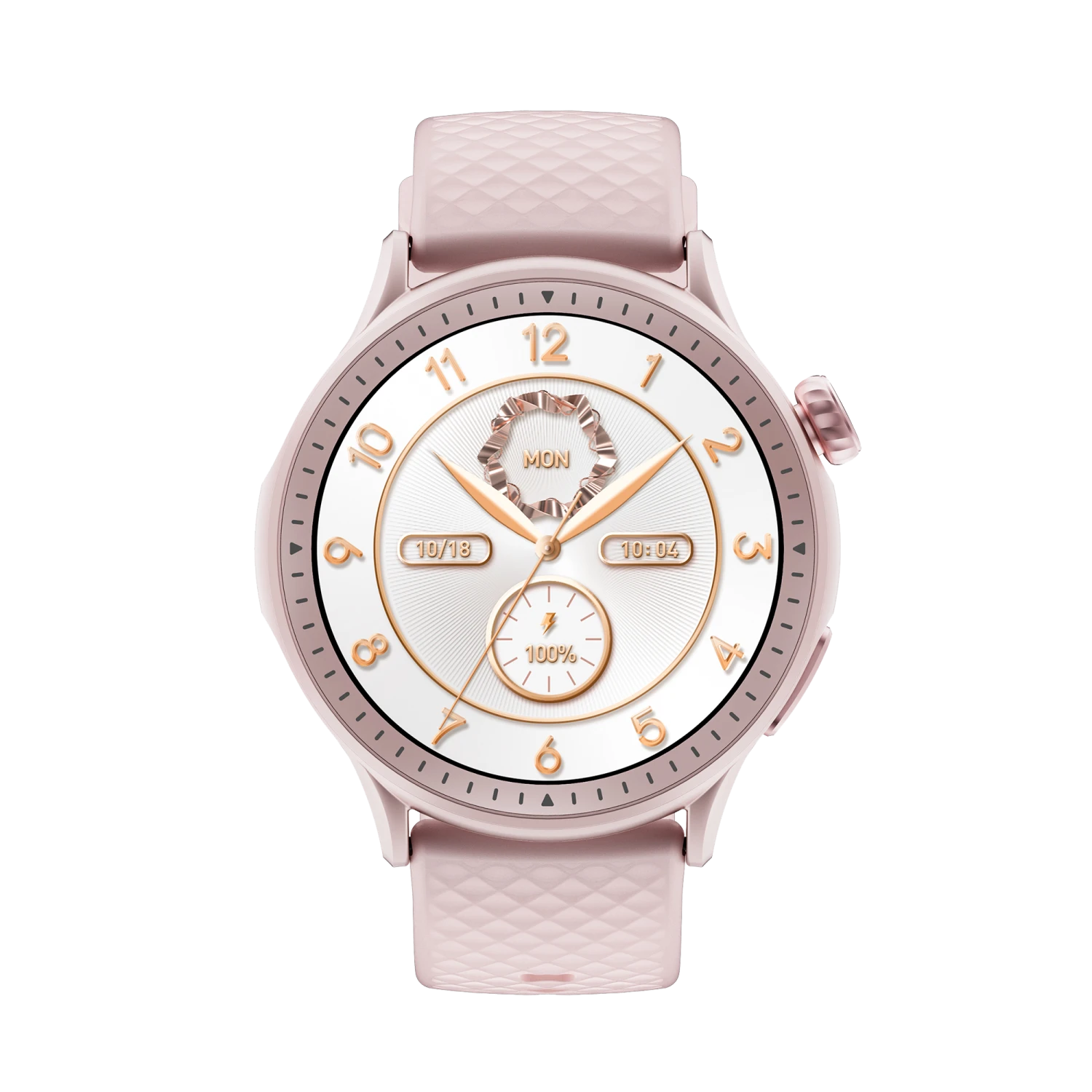
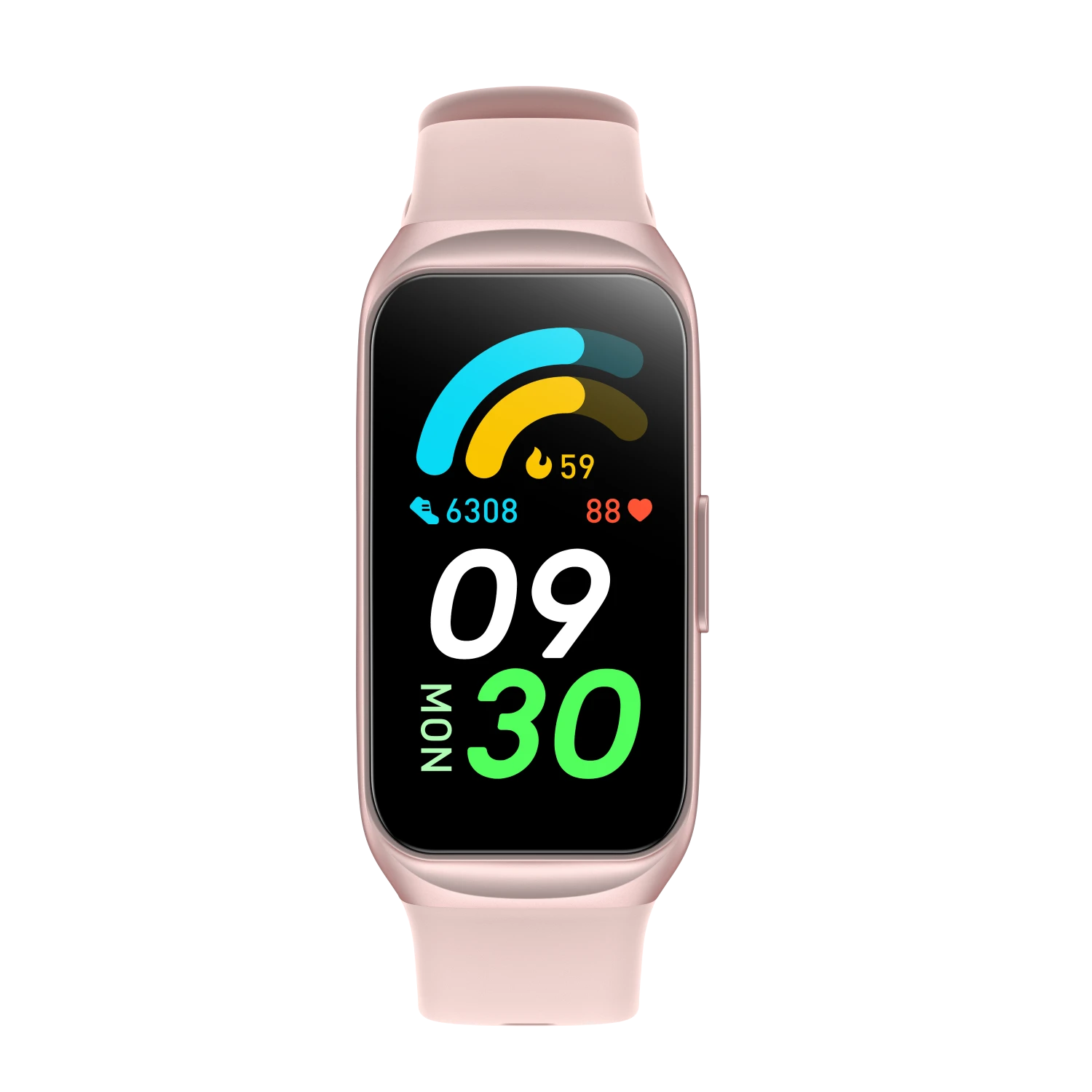
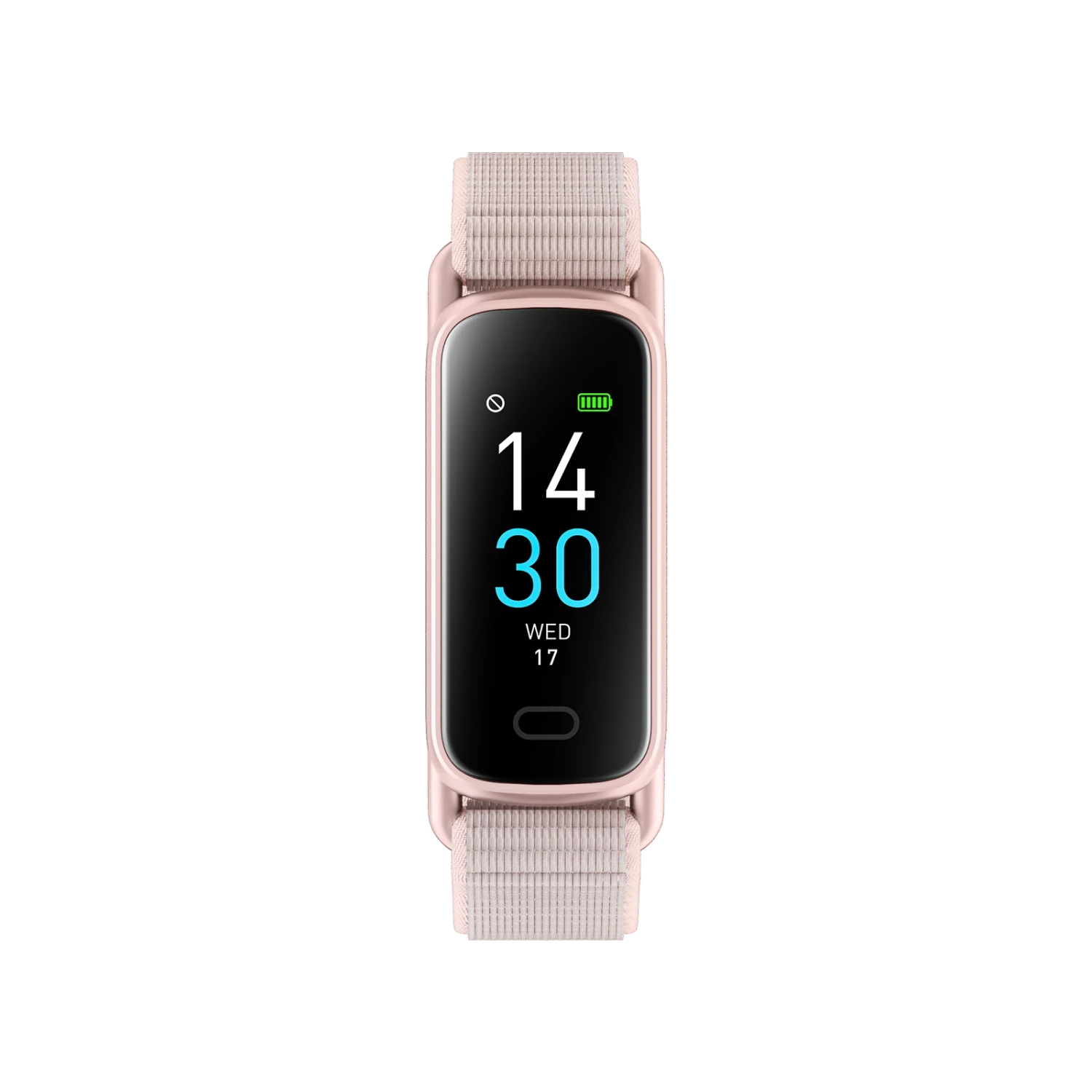
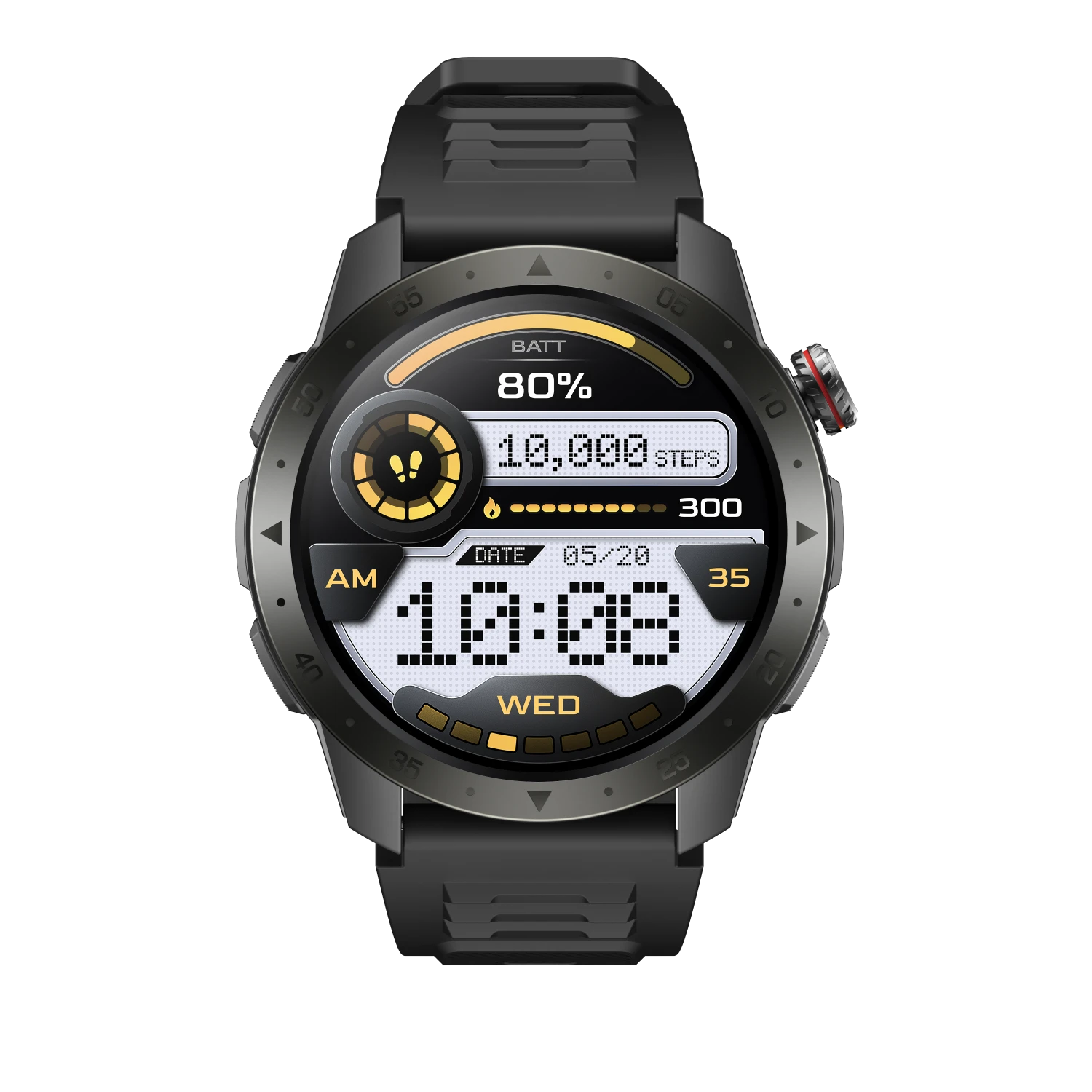
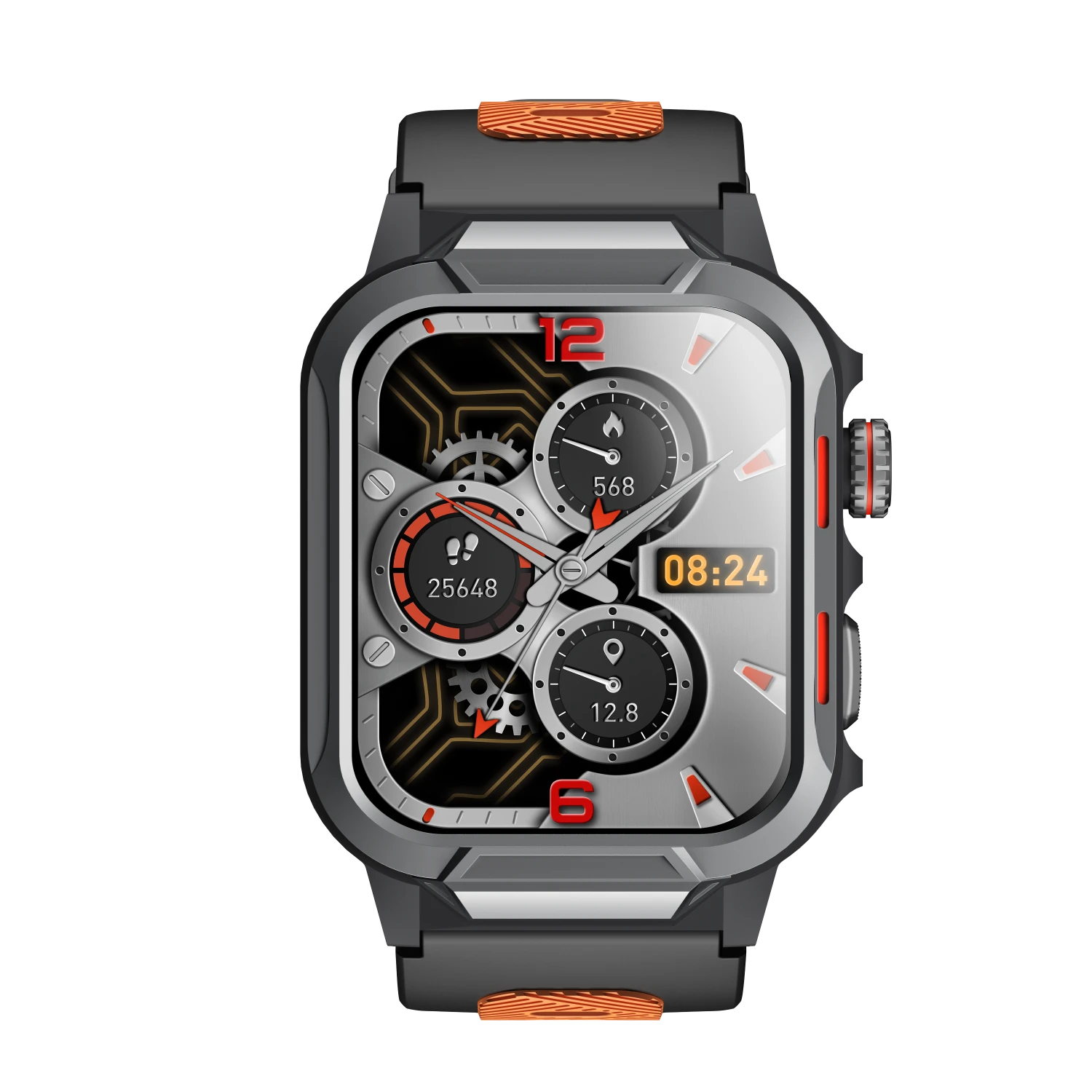
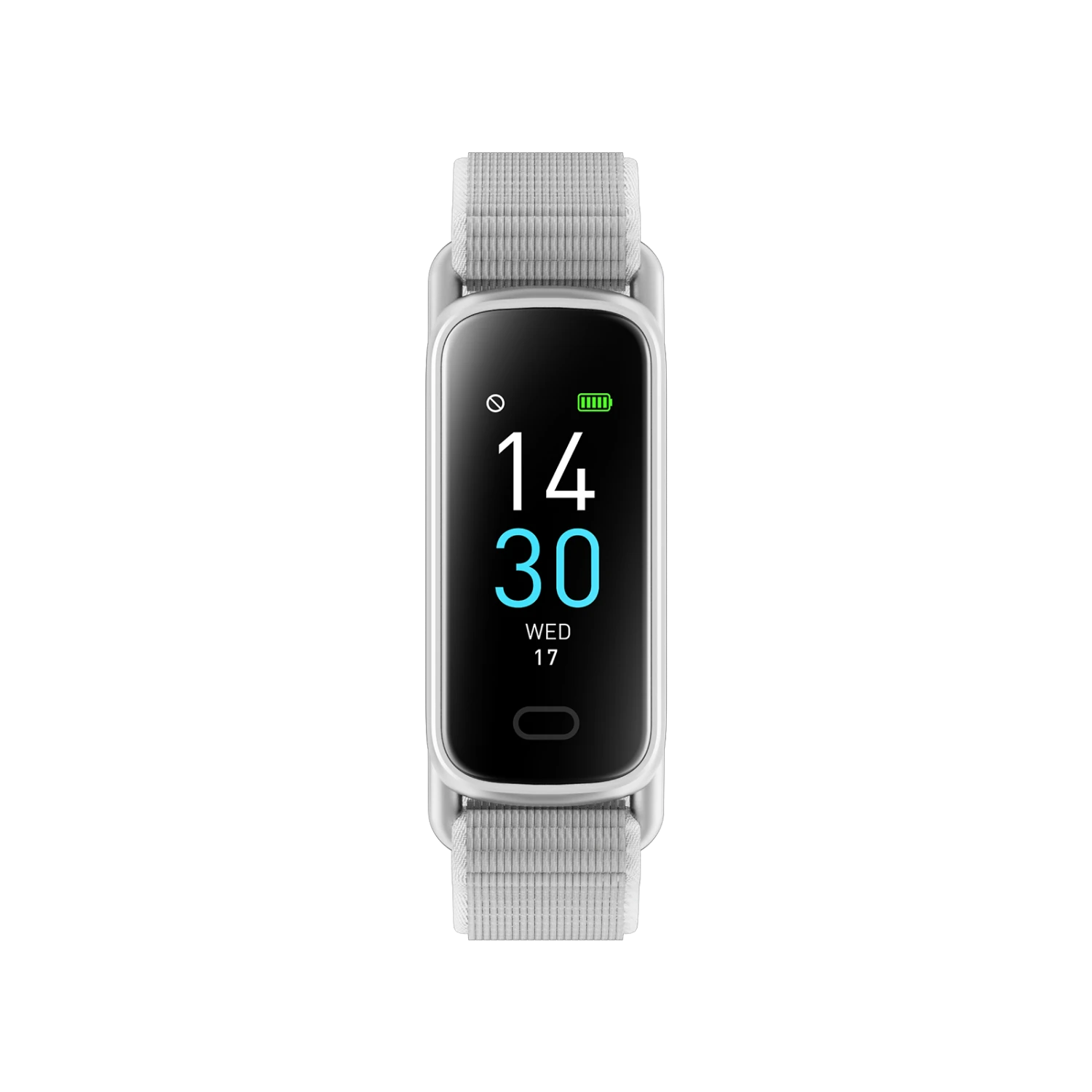
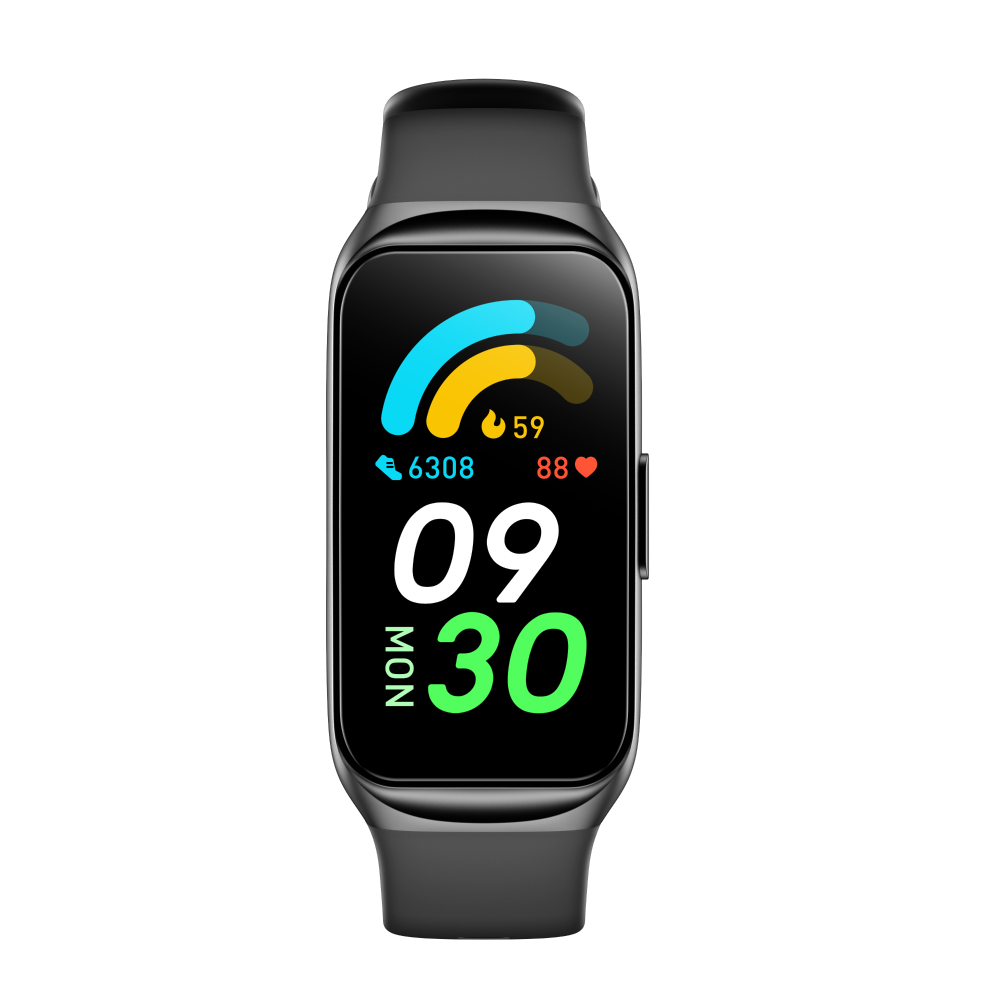
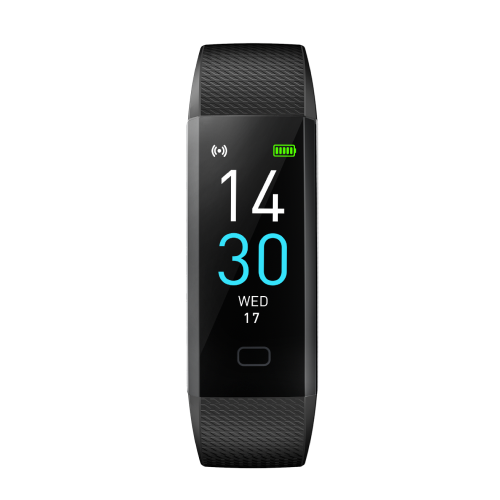
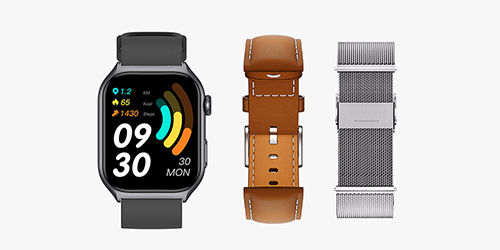
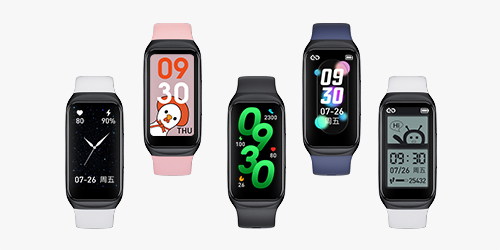
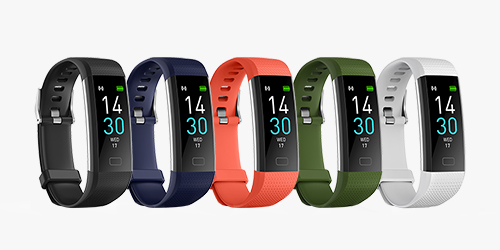
Next time you feel the weight of a deadline, don’t just guess if you’re relaxed and track it. You can check your heart rate or stress levels on your Runmefit smartwatch. By using the built-in Breathing Training feature on your watch or following the instructions in the Runmefit App, you can watch your heart rate drop and your stress scores stabilize as you breathe.
Ready to start your journey to a less stress life? Sync your watch, open the Runmefit App, and let’s take that first deep breath together.