Training for a first marathon quickly separates what’s essential from what’s unnecessary. There’s endless advice online, but most runners finish their first race realizing a few key decisions made the biggest difference.
Between “must-have” gear lists, training apps, and new watch models promising faster recovery, it’s easy to believe that finishing marathon is mostly a matter of shopping correctly. It isn’t.
After years of running and talking with first-timers, what stands out isn’t how much equipment people own, but how little of it truly matters once the gun goes off. The following isn’t another checklist — it’s a reality check: what’s actually worth preparing, what’s mostly noise, and what tends to be misunderstood by new runners — based on tested experience, not theory.
1. What First-Timers Usually Get Wrong
Most first-time marathoners over-invest in details that don’t move the needle and under-invest in the boring fundamentals that do.
They buy new shoes a week before the race, switch nutrition plans because of something they saw on YouTube, or rely on group energy instead of pacing. Then, around kilometer 30, everything unravels — not because of lack of willpower, but because small choices compound.
The first marathon teaches efficiency more than endurance. It exposes how well you’ve trained, how you manage discomfort, and whether your setup minimizes variables. The real preparation is in removing unknowns.
2. Footwear — Comfort as Performance
The best running shoe is the one that still feels stable after a long run, not the one that claims to be faster.
Fit and comfort matter more than any other specification. Once the race begins, comfort is performance — it preserves energy, reduces friction, and allows you to focus on rhythm instead of distraction.
If a pair works through your longest training sessions without hotspots or soreness, it’s already race-ready. Switching models close to race week introduces unnecessary risk.
3. Clothing — Proven Over New
Marathon gear doesn’t need to be specialized; it needs to be tested. Technical fabrics that wick sweat and prevent chafing are enough. Minimal seams and breathable panels keep you comfortable through temperature shifts.
The key is familiarity. Every item — shirt, shorts, socks — should have been worn on runs lasting over two hours. Cotton still traps moisture, and anything untested can cause friction when fatigue sets in. Reliable gear quietly does its job so your attention stays on the run.
4. Smartwatches and Training Data
Data helps most when it clarifies effort rather than complicating it. A reliable running watch gives structure: it records distance, monitors heart rate, and ensures you’re pacing within sustainable zones.
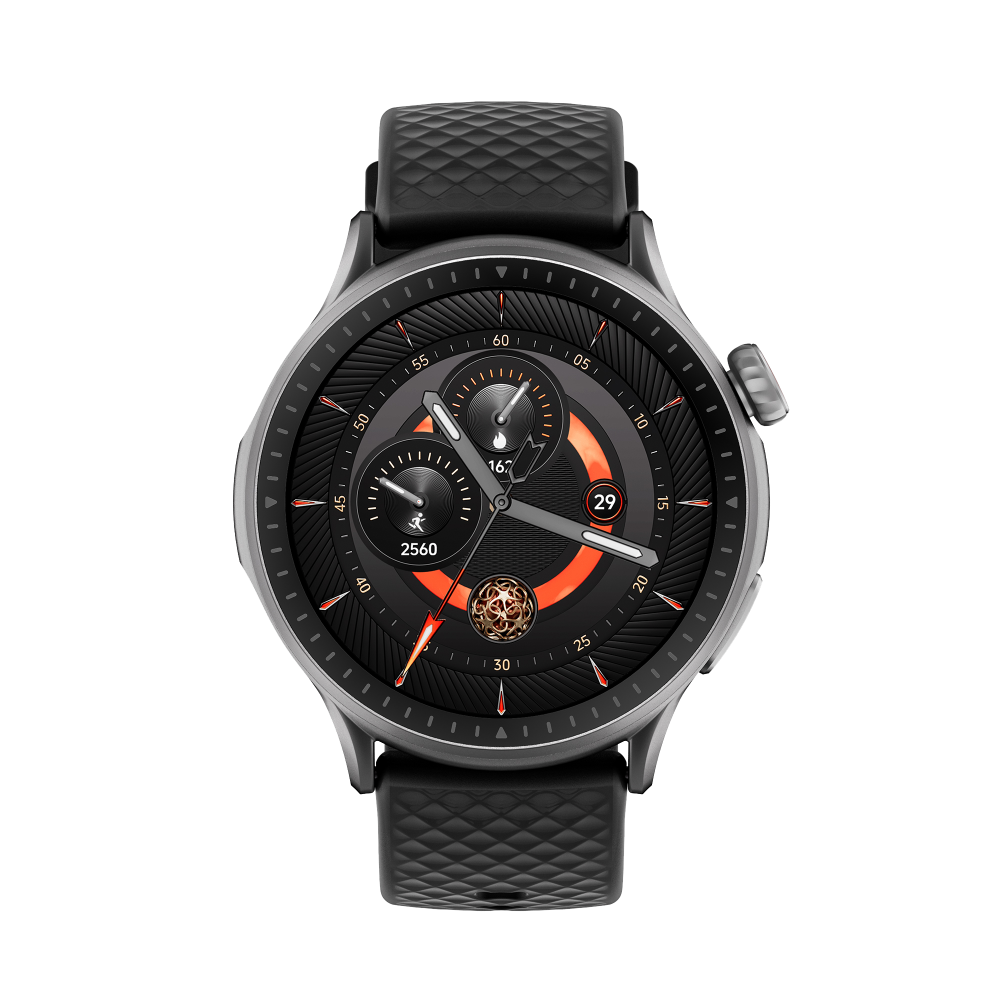
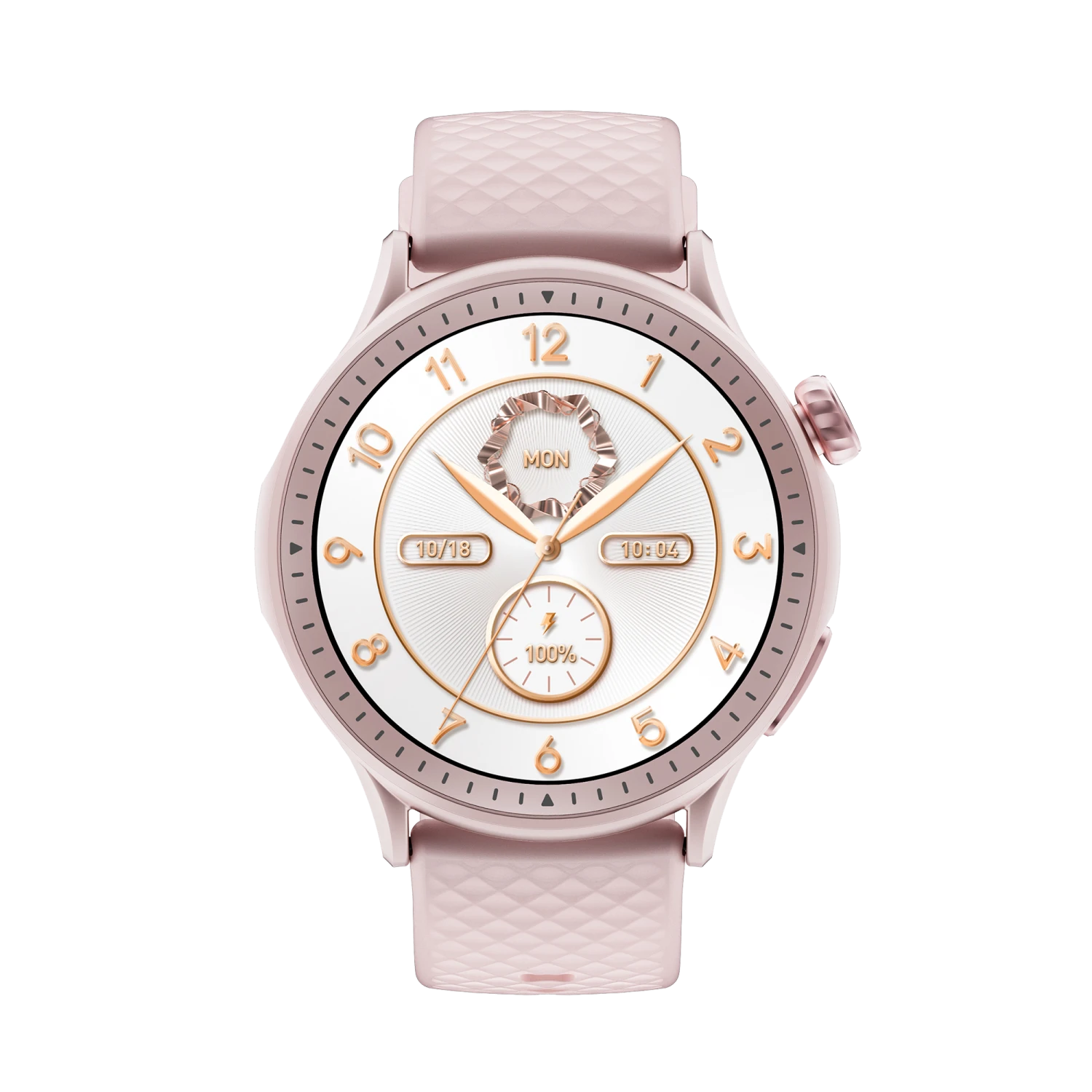
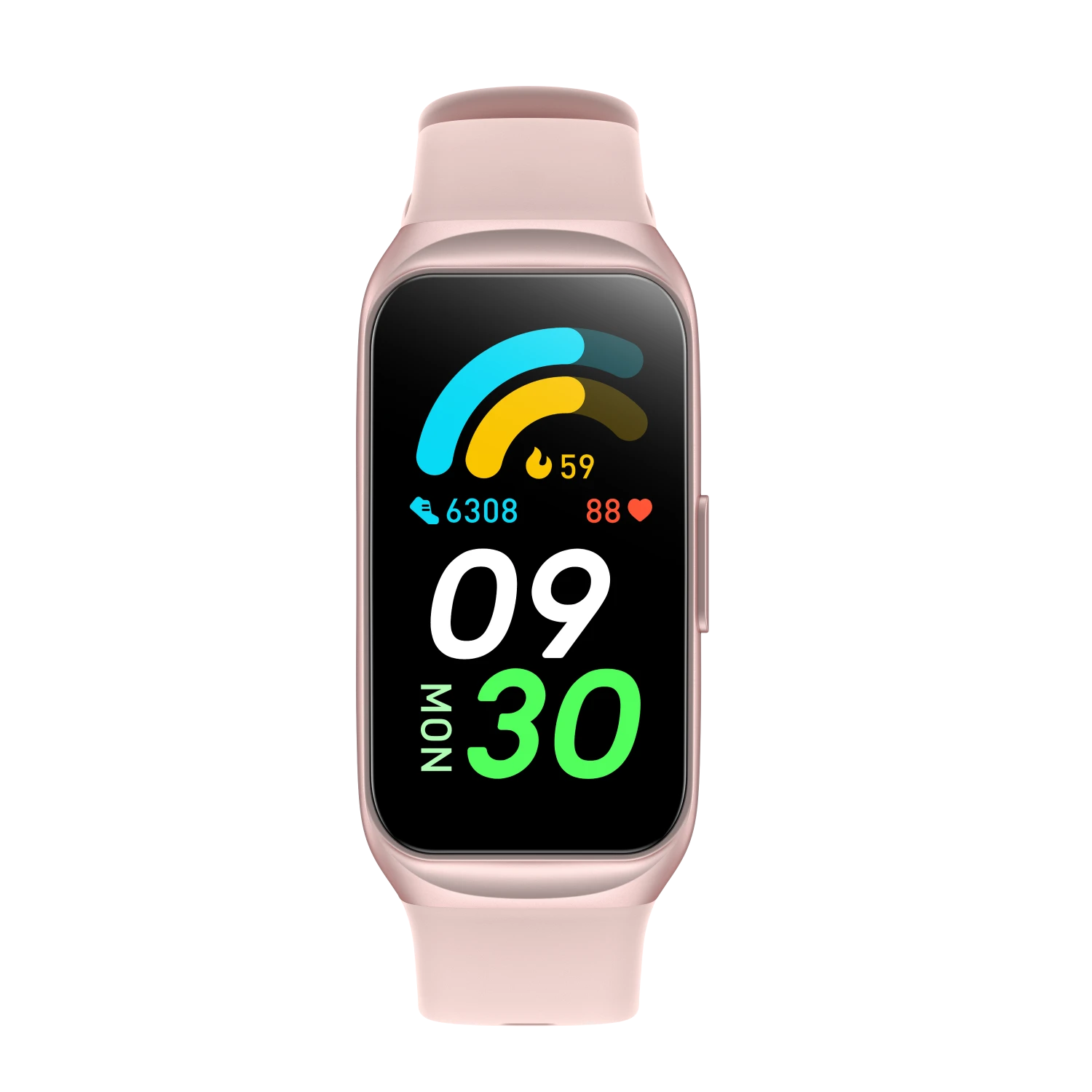
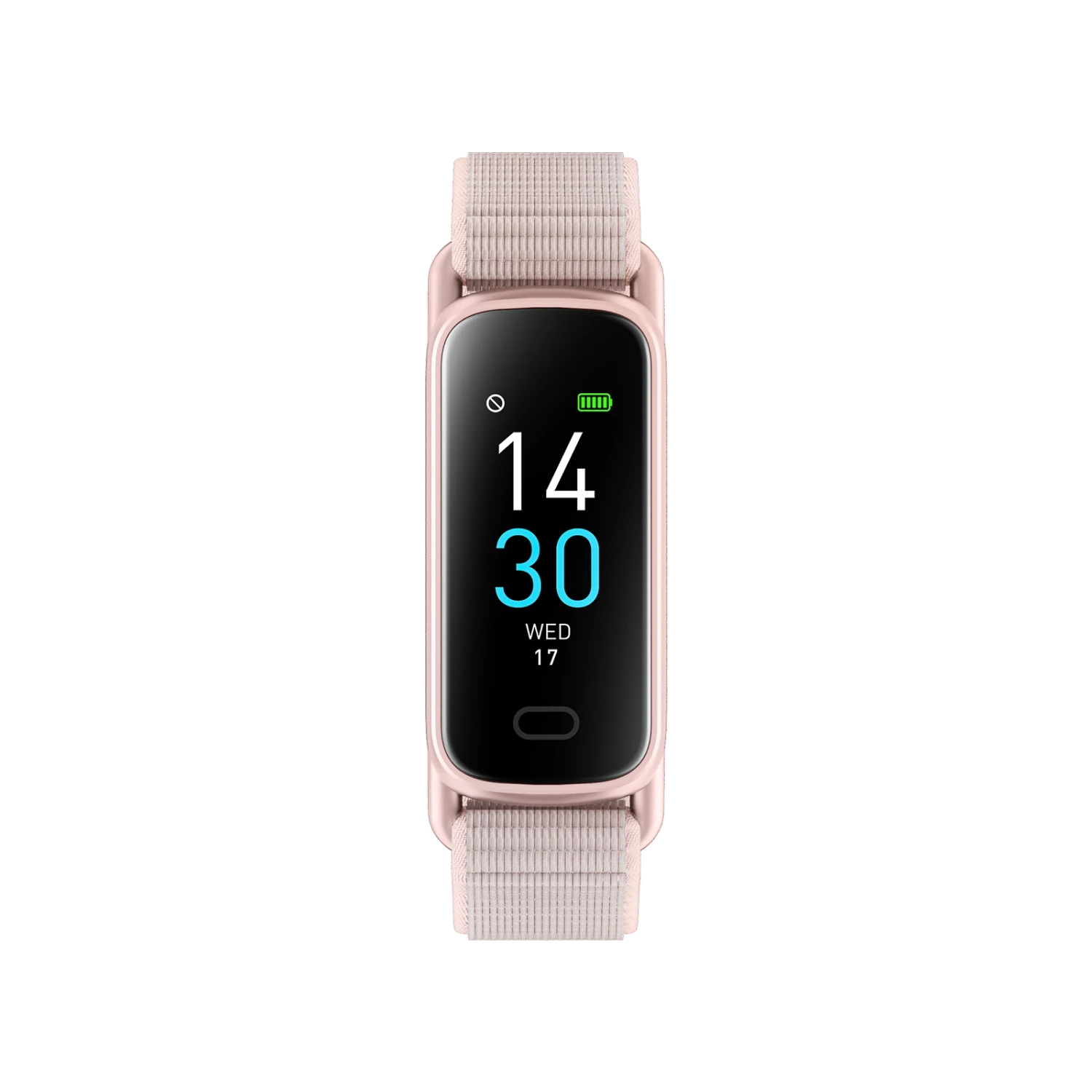
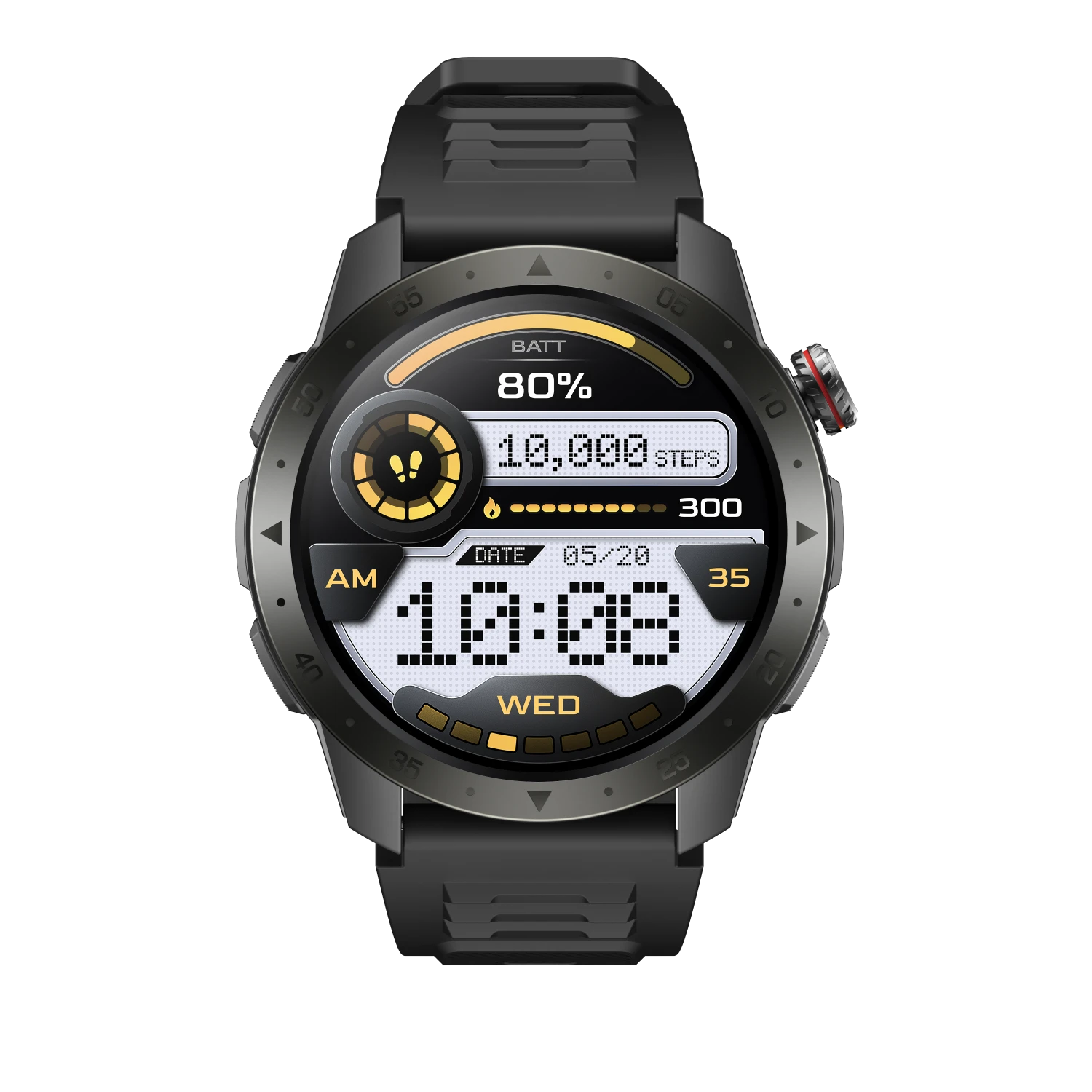
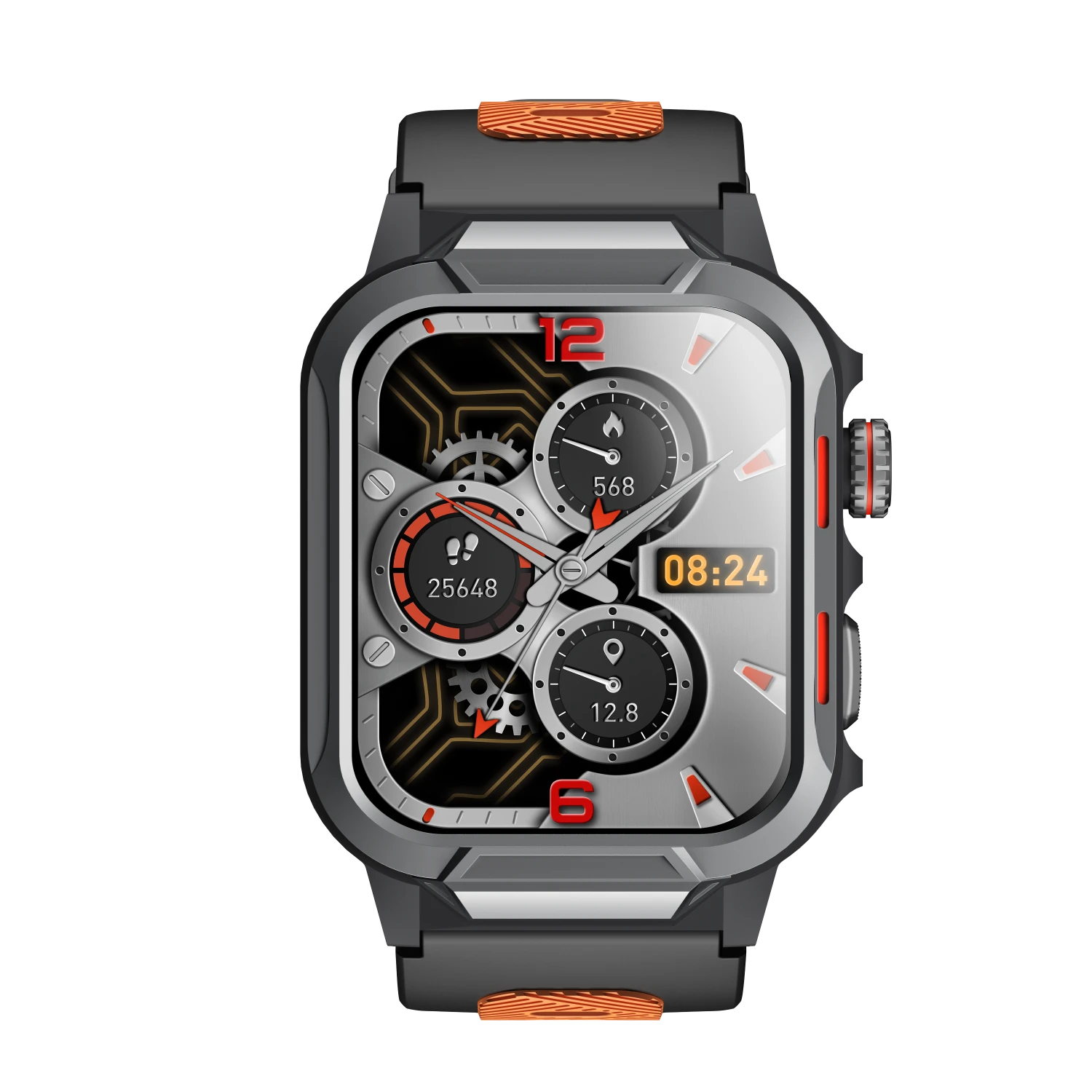
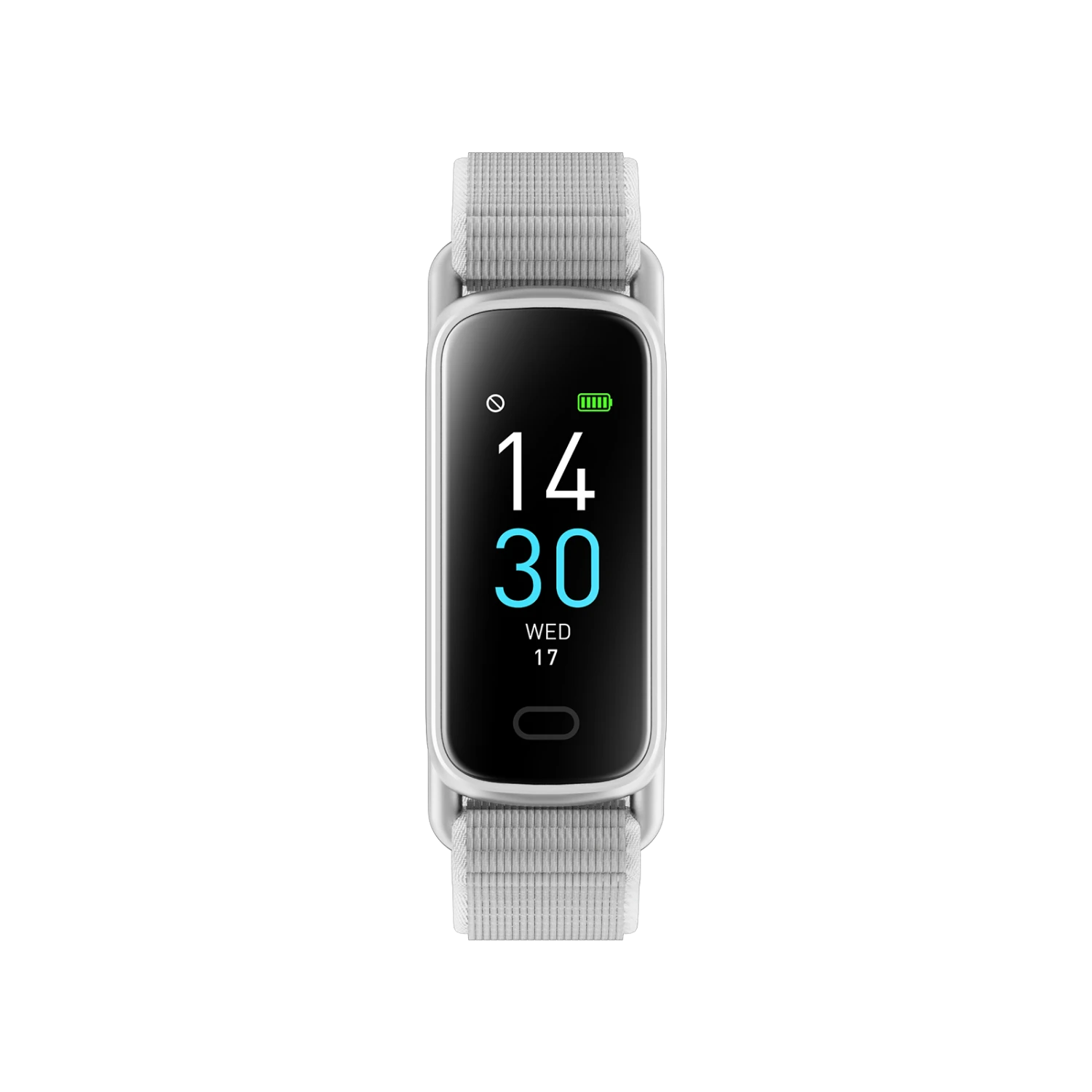
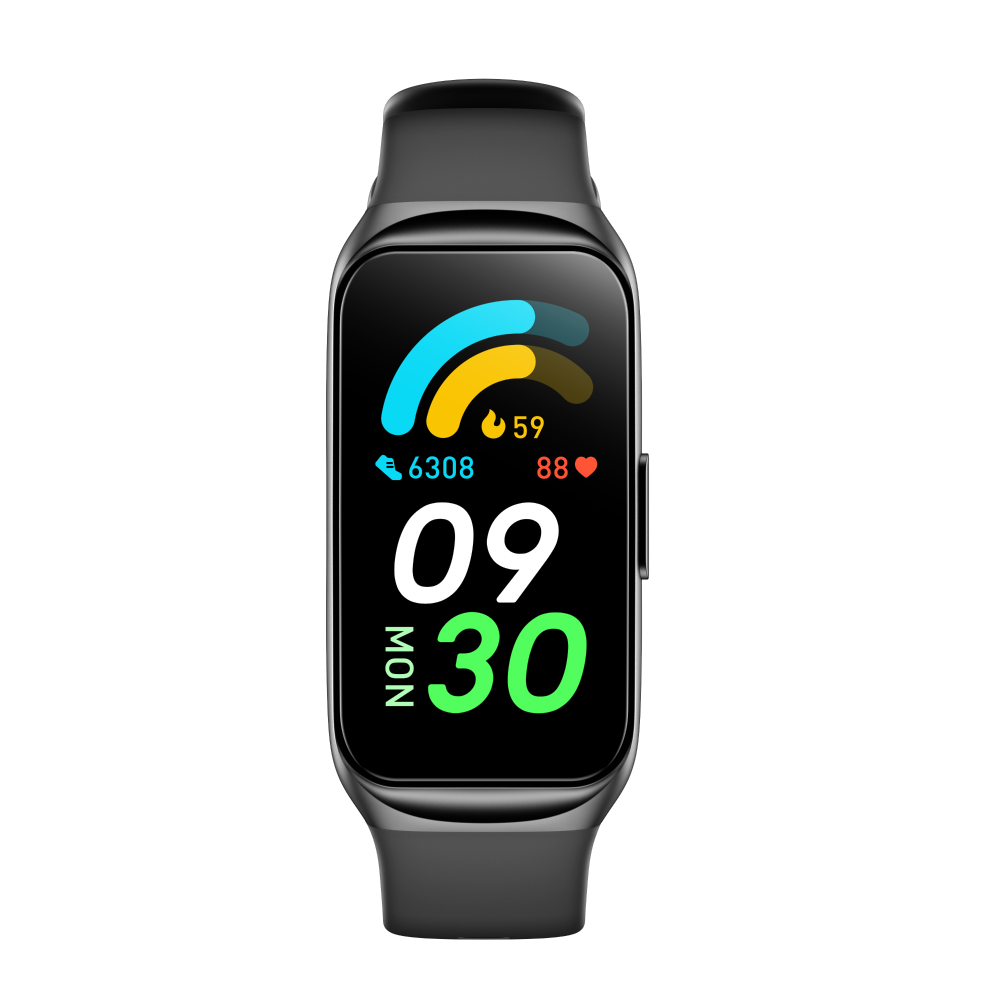
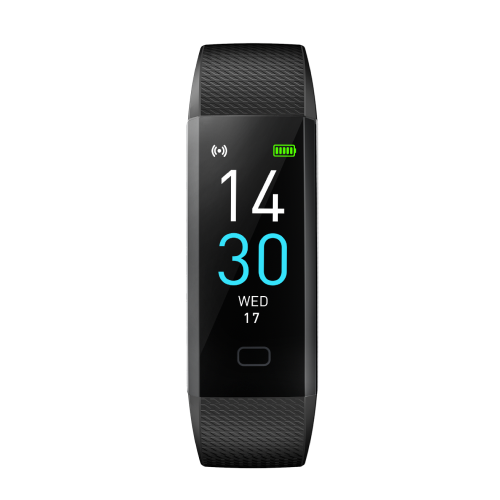
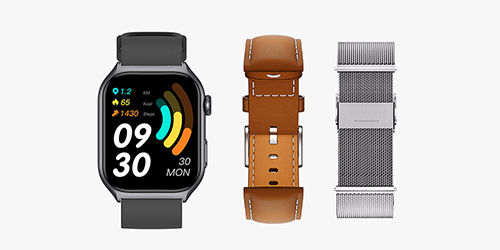
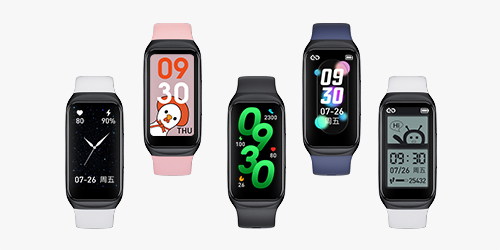
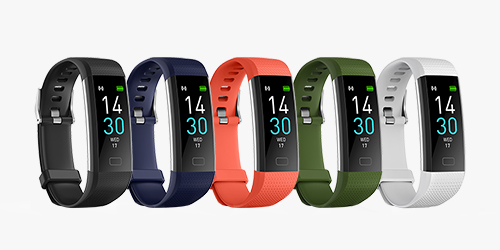
Runmefit RACER 3 offers a straightforward approach for first-time marathoners — accurate pace, distance, and calorie tracking without distraction. RACER 4 extends the picture with heart-rate zone data and post-run recovery metrics, showing how the body responds across training cycles.
The point isn’t to chase numbers but to use them as feedback. Training within your aerobic range teaches efficiency; analyzing recovery prevents overtraining. The more objective your data, the easier it is to make small, useful corrections.
5. Nutrition and Hydration
“Bonking” or “hitting the wall” rarely comes from lack of motivation; it’s a matter of energy balance. Glycogen stores last about 90 minutes, so fueling is as critical as pacing.
Long runs are where you test what works for you. Choose gels, chews, or drinks that digest easily and time them regularly — typically every 40–45 minutes, with water or electrolytes.
Hydration should start before race day, not during it. Inconsistent intake is what derails most first-timers, not lack of endurance.
Consistent fueling doesn’t feel dramatic; it feels uneventful. That’s the point — energy should stay steady from start to finish.
6. Execution — The Discipline of Control
The marathon rewards patience. The early kilometers always feel easier than they should, and that’s where restraint becomes strategy.
Adrenaline can make your pace deceptive; heart-rate feedback can keep it grounded. Watches like the RACER 4 or similar devices are helpful here, quietly signaling when effort drifts too high.
Small decisions add up — from when you start drinking to how you handle the first incline. Think of race day as managing variables, not chasing pace. The steadier the first half, the more energy you’ll have for the final stretch.
Consistency, not aggression, gets you across the line feeling strong instead of surviving.
7. After the Finish — Recovery as Part of the Race
Finishing the race is not the final step; recovery is part of the event.
Walk for several minutes after crossing the line to keep circulation steady. Eat within an hour — carbohydrates to restore glycogen and protein to repair muscle fibers. Drink water first, electrolytes second.
Soreness and fatigue are normal. Light movement, stretching, and proper sleep accelerate recovery more effectively than complete rest.
Monitoring heart-rate recovery or sleep trends through a smartwatch adds context — showing how your body adapts rather than just how far you ran.
A few days of quality rest often improve fitness more than an extra training session would have.
8. What Preparation Actually Matters
Every experienced runner eventually reaches the same conclusion: the basics never stop being important.
- Shoes that fit and stay consistent under fatigue.
- Clothing that prevents distraction, not draws attention.
- Fueling that’s practiced, not improvised.
- A watch that informs, not overwhelms.
- A pacing plan that respects effort rather than excitement.
Everything else is optional.
A first marathon isn’t about achieving perfection — it’s about establishing a personal baseline. Once you know how your body reacts to distance, pace, heat, and nutrition, the next race becomes less about uncertainty and more about refinement.
Preparation, at its best, is quiet. It’s the sum of small, proven decisions that leave you free to focus on running itself — the part that no checklist can replace.