If you’ve ever stayed up all night, you may have noticed something strange.
Picture this: it’s three in the morning. You’re still awake, grinding through a deadline, catching up on schoolwork, or chasing “just one more episode.” By all logic, the next morning should feel unbearable, like your brain is groggy and your body is exhausted.
Yet when the sun rises, something unexpected happens. Instead of collapsing, you feel alert. Your mind seems sharp, your energy unusually high. You might even think, maybe I don’t need 8 hours of sleep!
Why You Feel Awake After No Sleep
That sudden clarity you feel after staying up all night? It’s not resilience, but a carefully disguised trap. You’re not thriving; you’re running on backup systems. The illusion of energy comes from two overlapping forces: your biological clock and your body’s stress response.
First, your circadian rhythm keeps firing regardless of whether you slept. In the early morning, it triggers the release of cortisol and other wake-promoting hormones, as it does every day. This creates a temporary sense of “being awake,” even if your system is already under strain.
At the same time, your body treats sleep deprivation like a threat. It ramps up your stress response, flooding you with adrenaline and cortisol to keep you functional. Adrenaline boosts your heart rate and sharpens reflexes. Cortisol pumps up blood sugar for fast energy. Together, they create a kind of synthetic focus—useful in the short term, but draining over time.
The Trap: Hidden Dangers of False Awakening
You feel awake, not because you’re well rested, but because your body is under stress. That clarity you’re riding on? It’s emergency fuel. Useful in a pinch, but not built to last.
Behind the scenes, everything your body was supposed to do during sleep has been skipped:
- No muscle repair and tissue growth
- No waste flushed from your brain
- No emotional reset or memory consolidation
The scariest part? This state can feel great, but it’s only temporary. This makes it easy to ignore early warning signs in two key areas.
Stress on Heart and Immunity
Sleep is when your heart and blood vessels repair themselves. Skipping it means elevated blood pressure, reduced heart rate variability (HRV), inflammation rises, and arterial stiffness. You won’t feel it in the moment, but the damage adds up.
The sympathetic nervous system stays activated after no sleep. Your body stays tense, overstimulated, and chemically out of balance.
Case Study: In a 2022 European Heart Journal study, people who regularly slept under 5 hours had a 56% higher risk of developing hypertension compared to those who got 7–8 hours. The risk was worse in people who “felt fine” after little sleep. That’s the trap: when stress feels like energy, we don’t recognize it as harm.
The Delayed Crash
Lack of sleep doesn’t always knock you out right away. That’s what makes it so deceptive. You can go hours—or even a full day—feeling functional, only to crash mentally, emotionally, or physically when you least expect it.
This delay tricks your brain into thinking you got away with it.
The most dangerous zone? Cognitive performance. While your brain may feel focused, research shows that even a single night of sleep loss significantly impairs your ability to concentrate, make decisions, and react quickly. In some studies, sleep-deprived individuals performed worse than legally drunk drivers, yet they thought they were doing just fine.
That mismatch between confidence and capability is what makes this so risky—especially when driving, working out, or making important decisions.
That’s why fields like aviation, medicine, and competitive sports don’t leave alertness up to chance. They monitor it. They measure it. And increasingly, so can you.
Recovery Takes A Long Time
The crash isn’t just about feeling tired. The combination of suppressed immunity, hormonal imbalance, and cardiovascular strain makes the recovery period especially vulnerable. You’re more likely to get sick, burn out emotionally, or underperform—right when you thought you were back to normal.
And here’s the kicker: one good night’s sleep doesn’t erase the debt. Scientists call it cumulative sleep debt. And like credit card debt, it compounds. That’s why one late night can echo for days, subtly lowering your performance without you realizing it.
Think you can “catch up on the weekend”? Research says otherwise. While extra sleep might boost short-term alertness, it doesn’t fully restore the metabolic or heart health losses caused by repeated sleep deprivation. The cost stays with you longer than you think.
Why You Need to Monitor Sleep
Here’s the hard truth: your body isn’t built to tell you when you’re sleep-deprived. At least, not right away. By the time you feel exhausted, the damage is already done.
This is why relying on how you “feel” in the moment doesn’t work. Your internal signals get scrambled under stress. Cortisol keeps you artificially alert. Adrenaline masks fatigue. Even dopamine might spike just enough to give you a short burst of motivation. But none of that reflects recovery, readiness, or long-term health.
What does? Data.
Think about it. Would you drive without a fuel gauge? Probably not. So why guess when it comes to your energy, focus, and physical performance?
Track Your Sleep and Understand Your Pattern
Tracking your sleep, especially with a smartwatch, gives you an honest mirror when your own body can’t:
- How much deep sleep and REM sleep you’re actually getting
- Whether your resting heart rate is higher than usual
- If your HRV (heart rate variability) is dropping—an early sign of stress or under-recovery
- How many interruptions or delays in sleep onset you’re experiencing
That’s how a smartatche can reveal the truth your body hides.
Smartwatches Catch What You Can‘t Feel
Let’s be honest: no one wakes up thinking, “Hmm, I think my sympathetic nervous system is overactive today.” We think, “I feel fine,” or “I’ll catch up later.” But your data might say otherwise.
Maybe your deep sleep dropped from 90 minutes to 25. Maybe your HRV dipped below your personal baseline. Maybe your resting heart rate stayed elevated even after a rest day. These are the subtle signs of fatigue your body hides—but your wearable doesn’t.
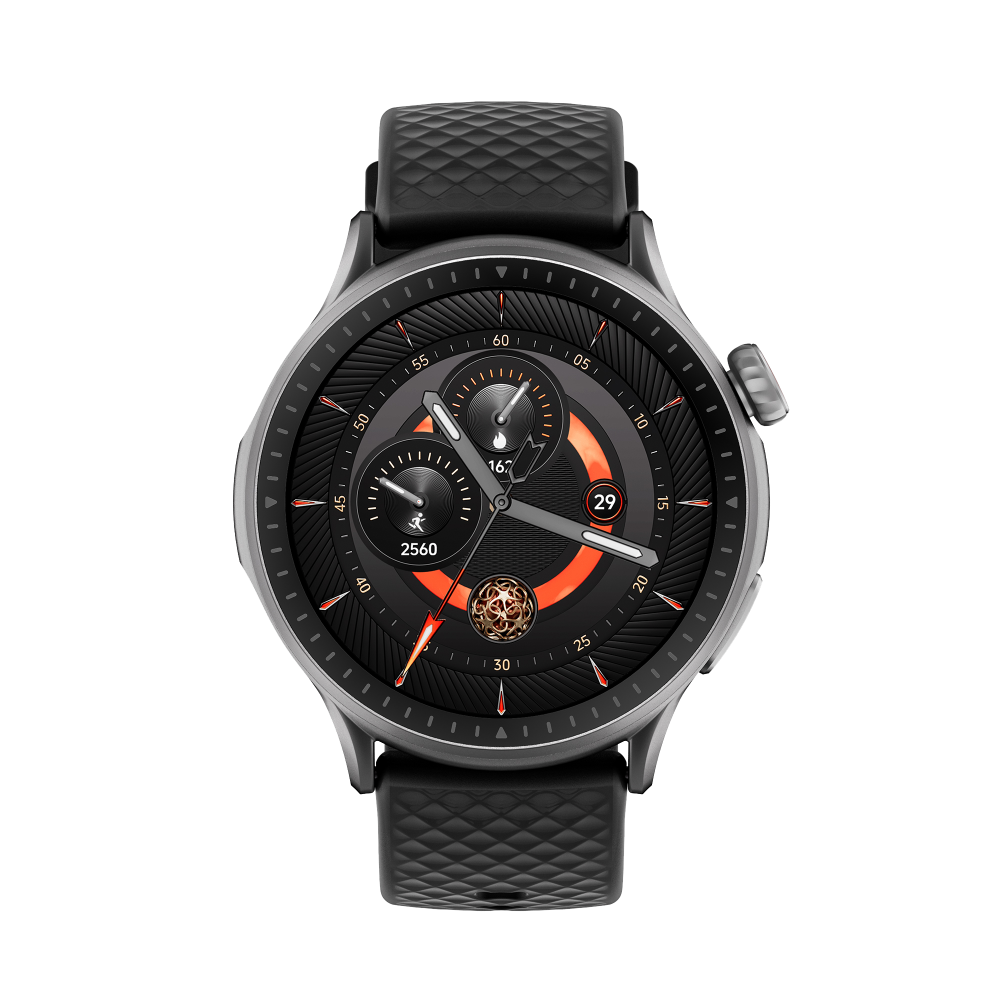
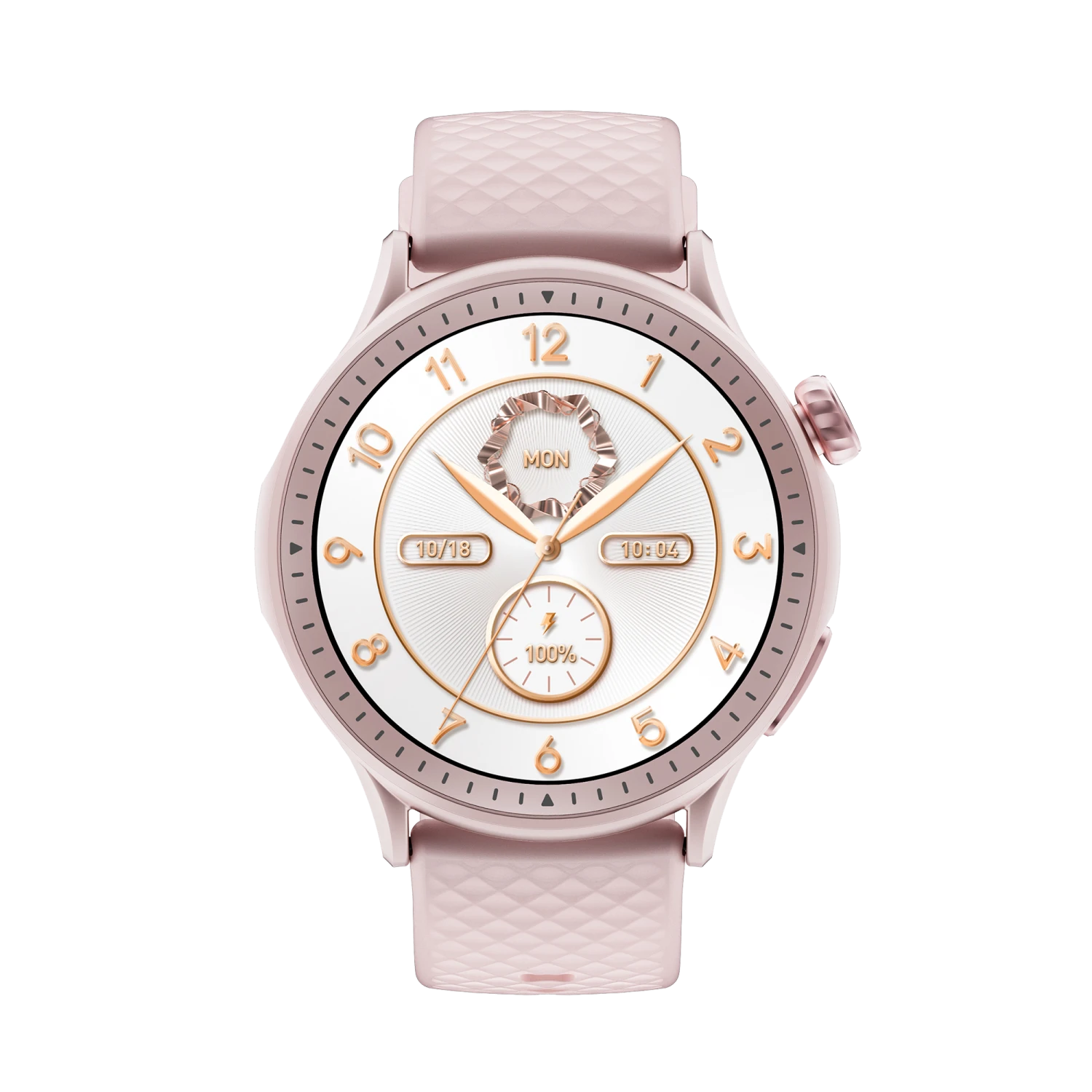
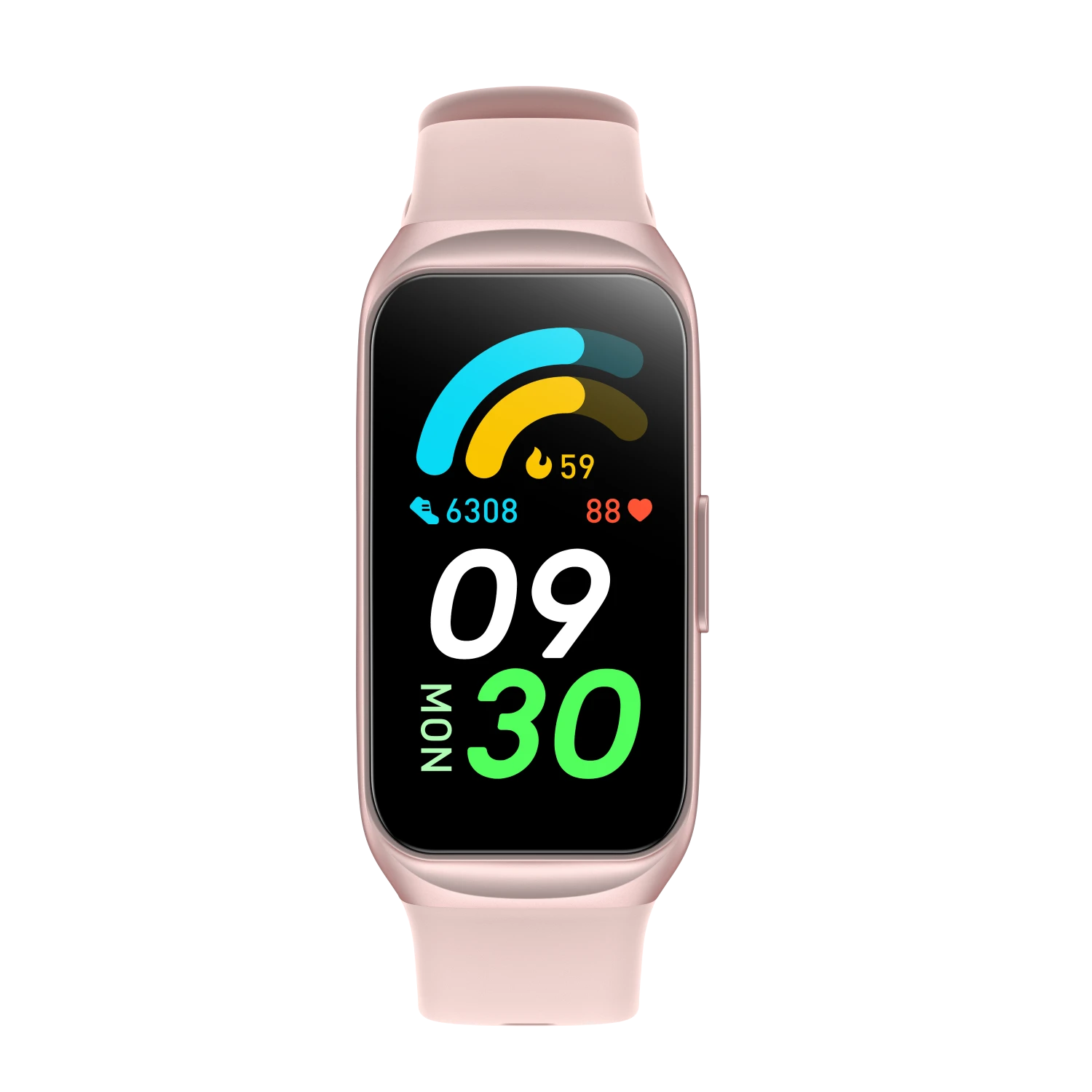
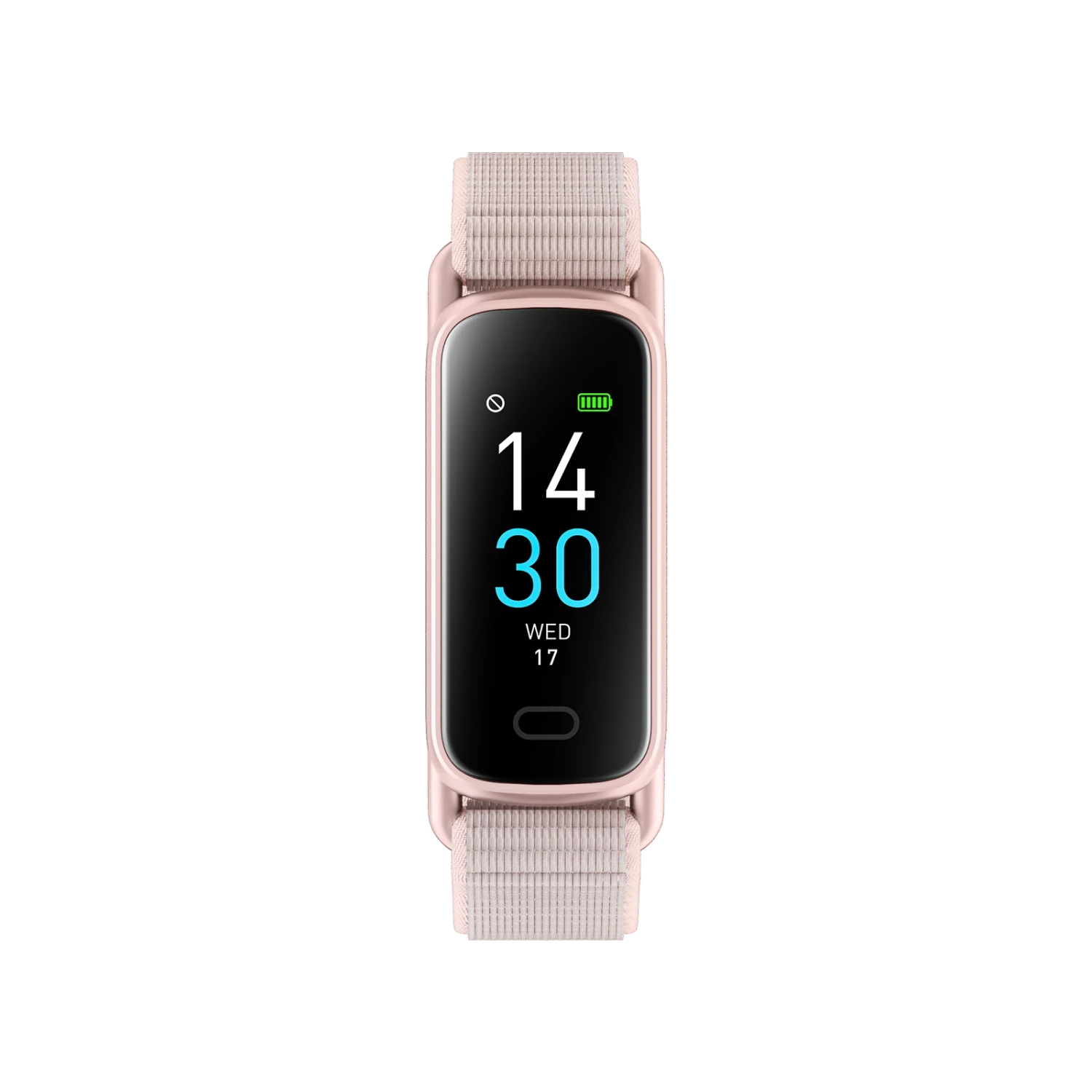
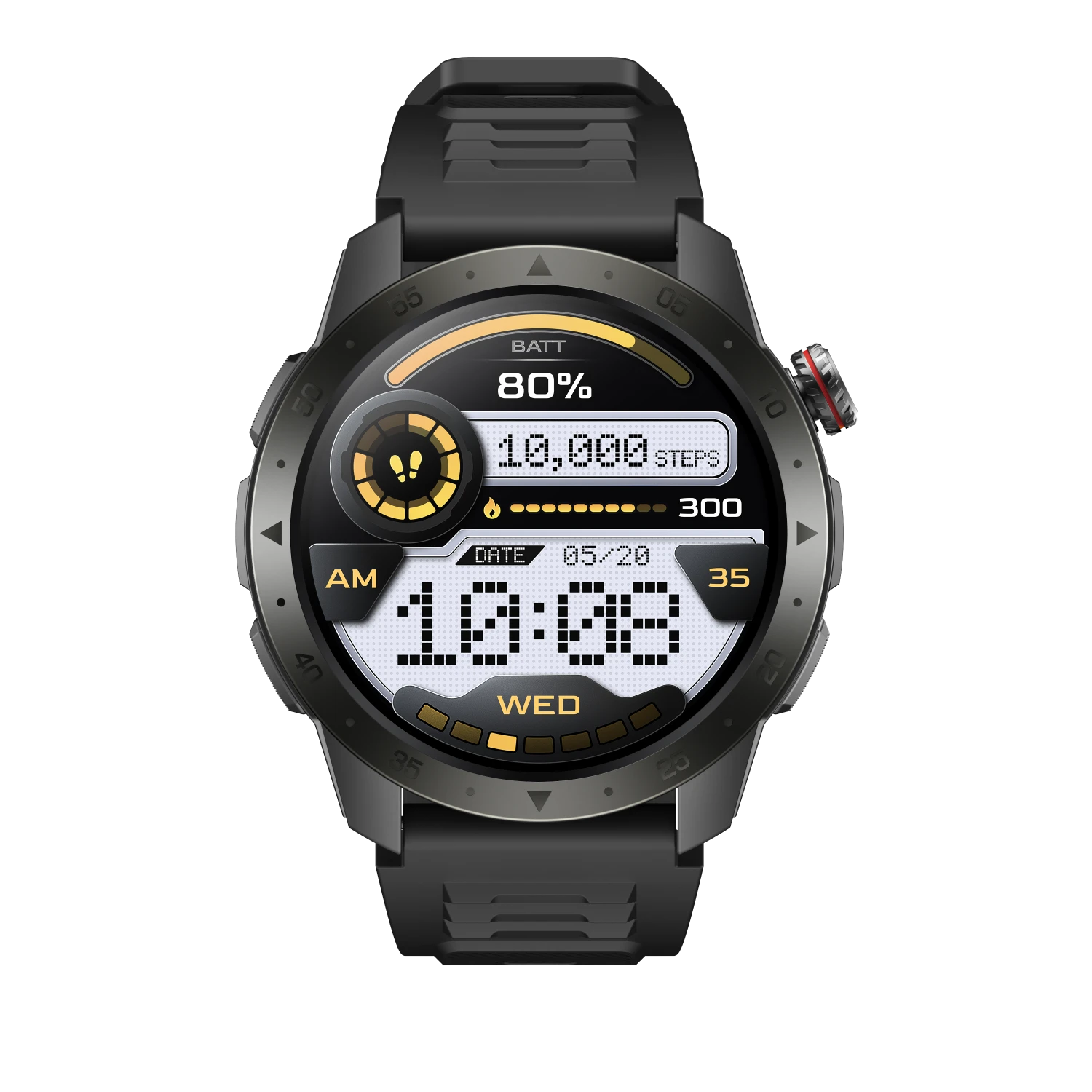
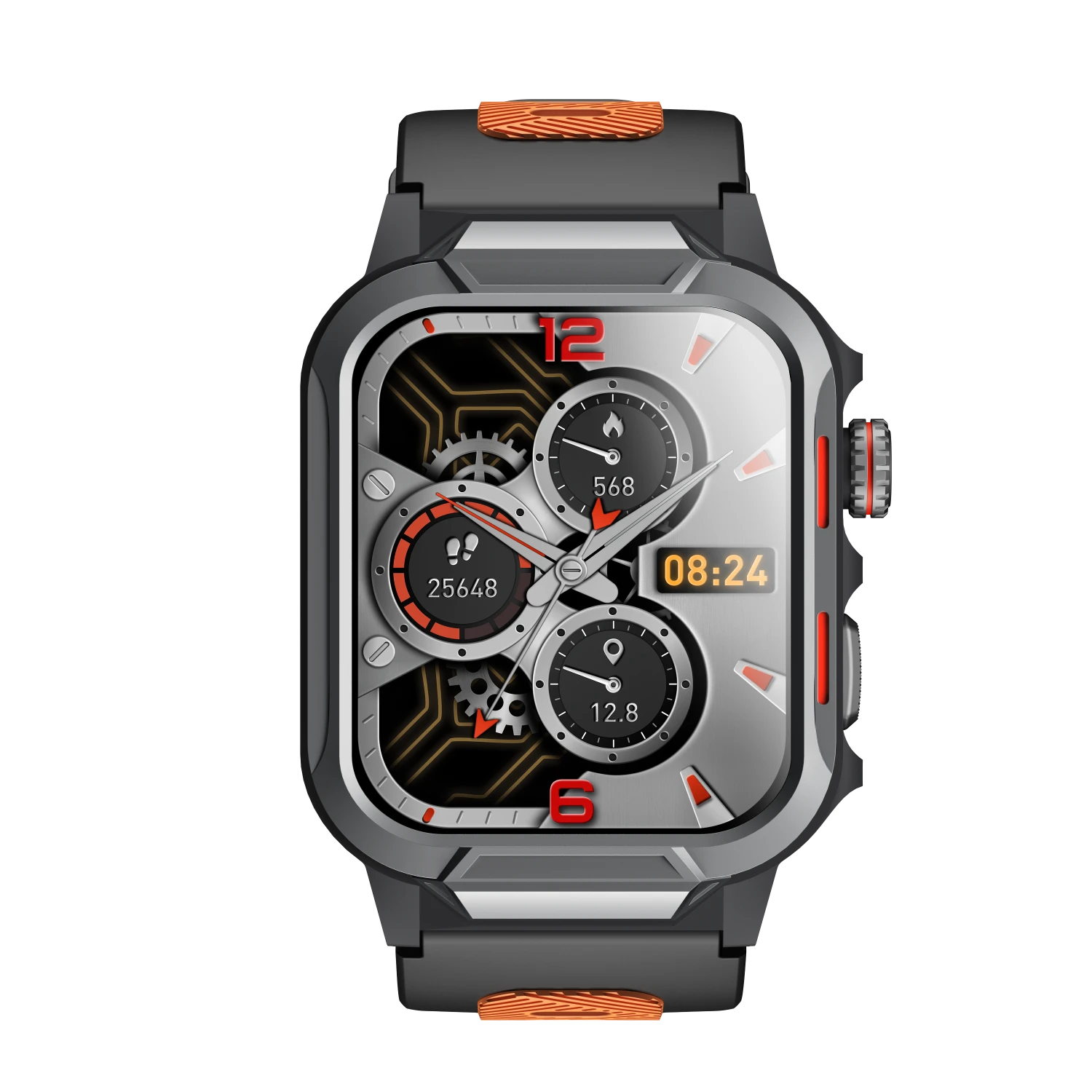
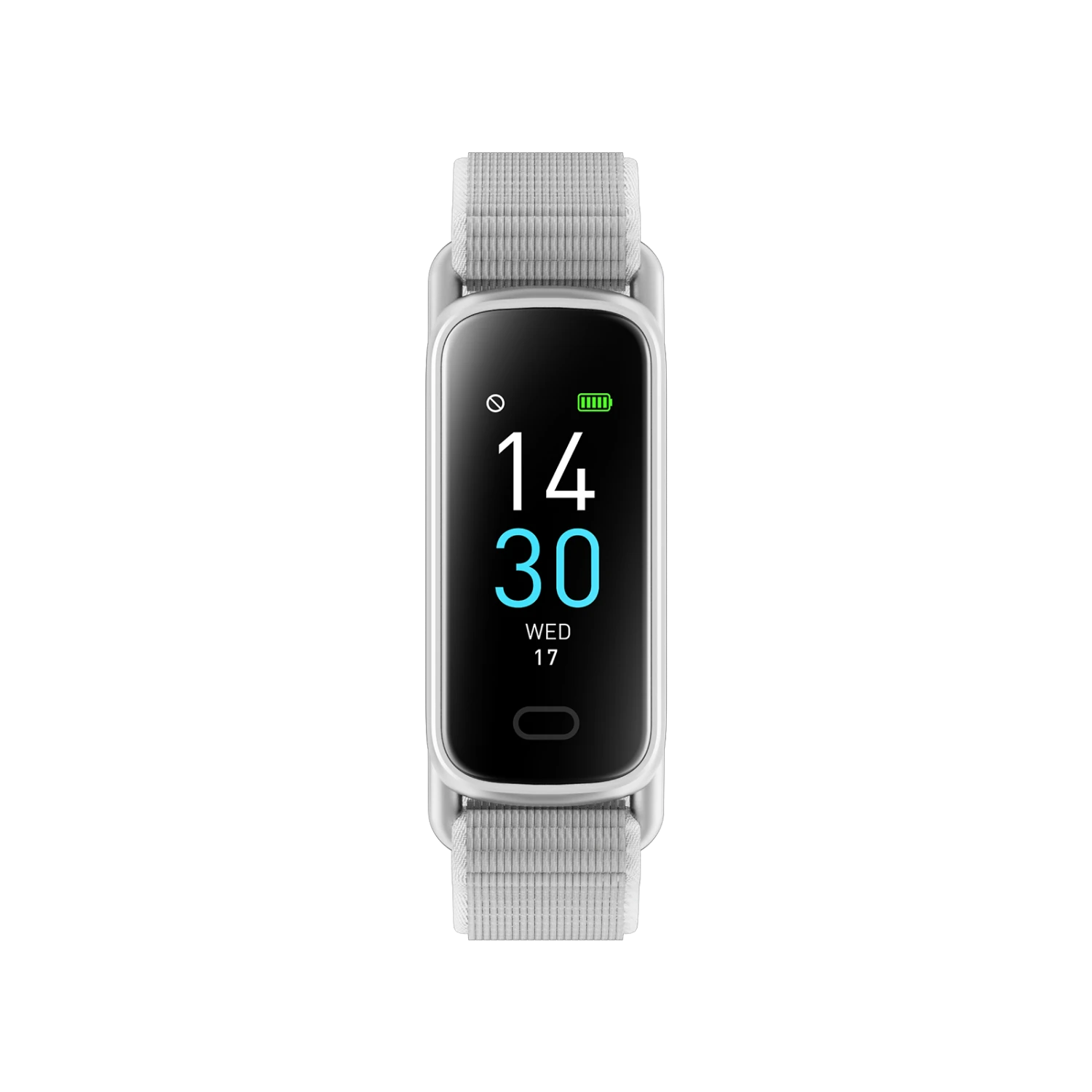
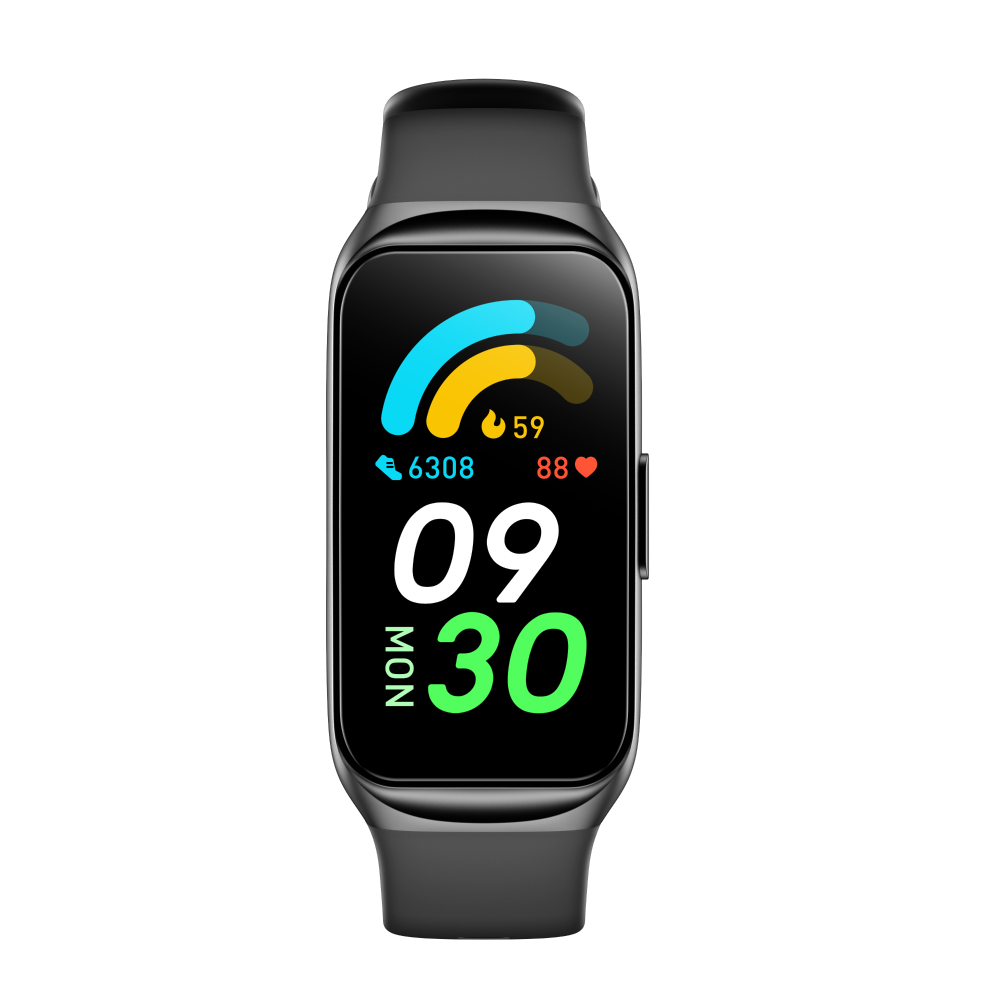
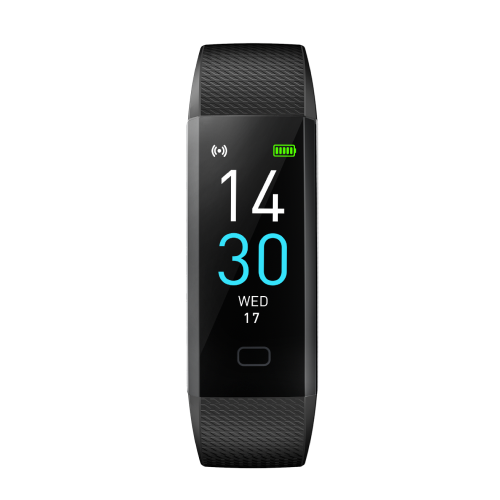
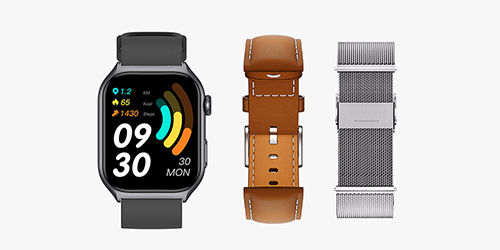
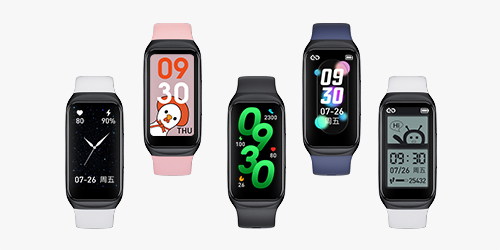
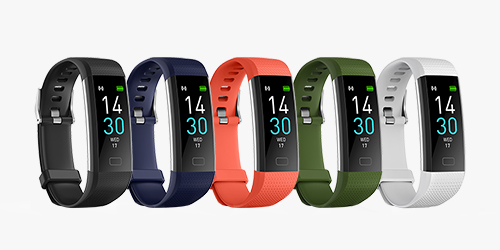
Runmefit’s watches can catch these patterns early—before they snowball into performance drops, mood swings, or injury risks. They help you spot trends, course-correct sooner, and train smarter—not harder.
It’s not about perfection, it’s about awareness.
No one sleeps perfectly every night. That’s not the goal. What matters is knowing where you stand, and how each night affects the next day. With good data, you can adjust training, optimize bedtime, or simply realize: “Today’s not the day to push it.”
Sleep tracking isn’t just for elite athletes. It’s for anyone who wants to stay sharp, feel better, and stop guessing. It’s how you build real resilience—not emergency-mode illusions.
Explore Runmefit’s sleep tracking watches and learn what your body’s been trying to tell you.