Be honest, how many hours do you spend sitting each day? Work at a desk, commute in the car, and then sit again on the couch with Netflix or scrolling phone. For most people, that adds up to 6 to 8 hours of sitting every single day.
We’ve all heard the phrase: “sitting is the new smoking.” The problem is, most of us are “sitting people” by default. Hours pass, and you hardly move. You may not notice it, but your body does. It responds with warning signs: a stiff back, a tight neck, or that heavy feeling in your stomach after a long day.
The World Health Organization lists physical inactivity as one of the leading global health risks, causing an estimated 3.2 million deaths every year worldwide. But here’s the key point: it’s not just about heart disease or diabetes later in life. The warning signs are already there in your everyday life—belly fat, constipation, tense shoulders, swollen legs. These aren’t rare cases; they’re the common struggles most people deal with when they sit too much.
Sitting too long is an invisible health risk. The question is, how do you fight back?
How to Avoid the Risks of Sitting Too Long
The simplest way is to walk more. And you don’t need to be an athlete to see results—research shows even a few thousand steps make a big difference. One simple way is to start setting your daily steps goal and tracking how much you actually move.
A study in the British Journal of Sports Medicine (University of Sydney, 72,000 adults) found three clear thresholds:
- 2,200+ steps/day = starting point for benefits (lower death and heart disease risk)
- 4,000–4,500 steps/day = about 50% of the maximum benefit
- 9,000–10,500 steps/day = the sweet spot for lowest risk, even if you sit for many hours

More Evidence: Walking Adds Years to Your Life
- At 9,000–10,000 steps/day, death risk drops by 39%, and heart disease risk by 21%
- NIH studies show step count matters more than speed—people walking 8,000–12,000 steps lived longer, no matter how fast
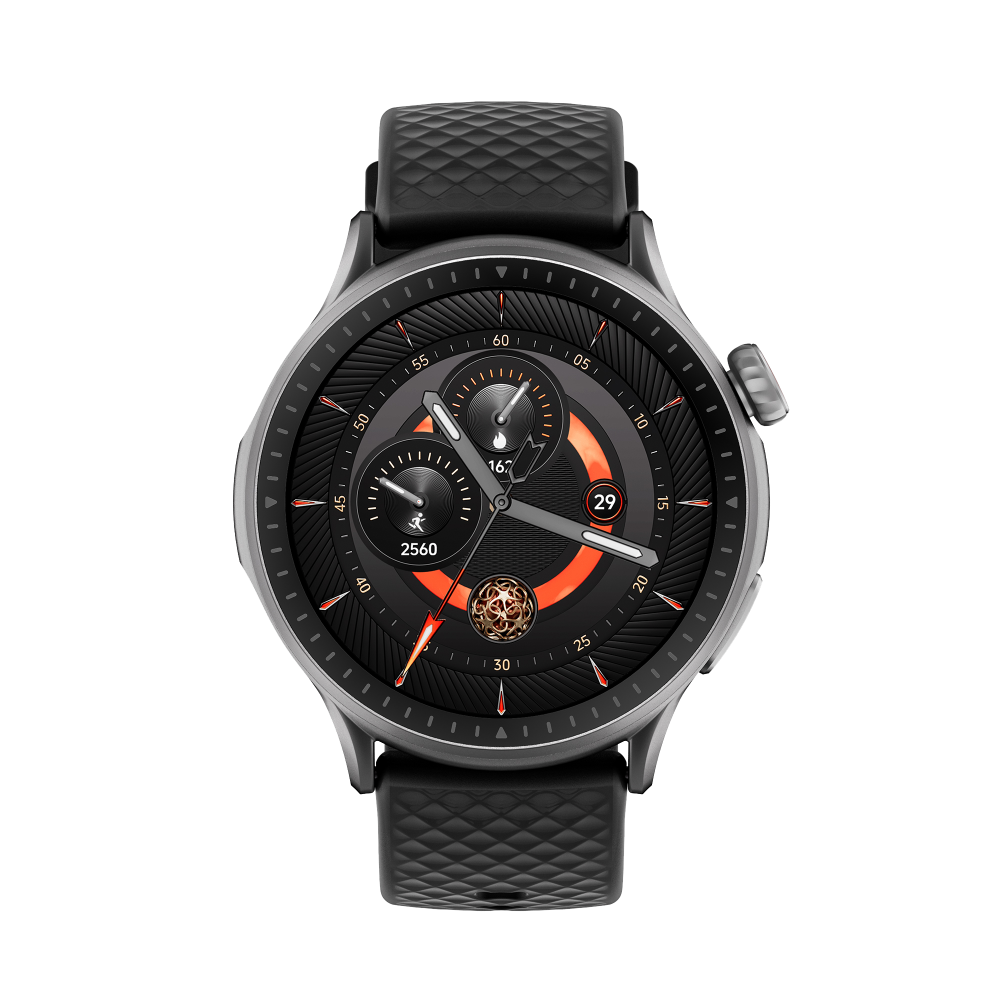
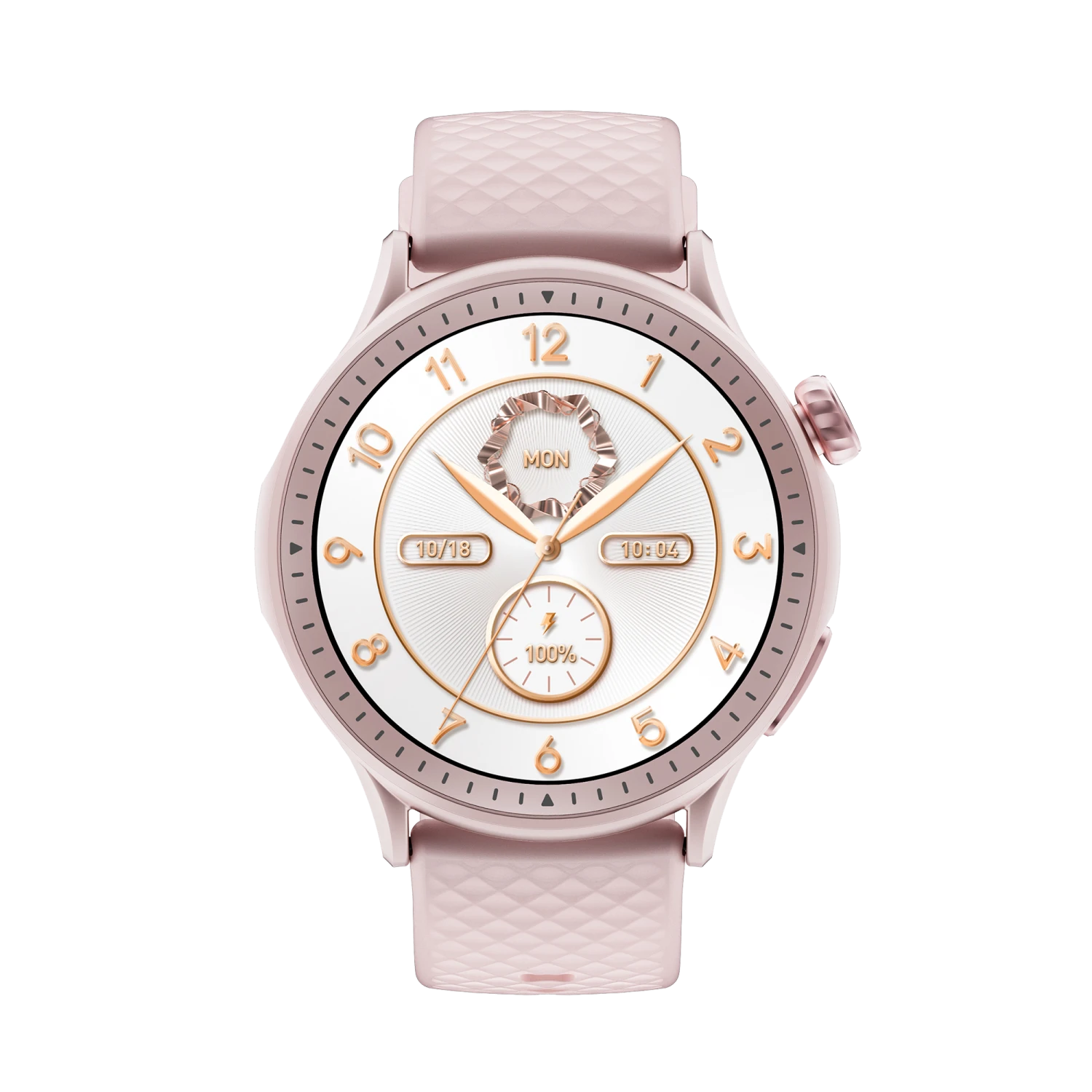
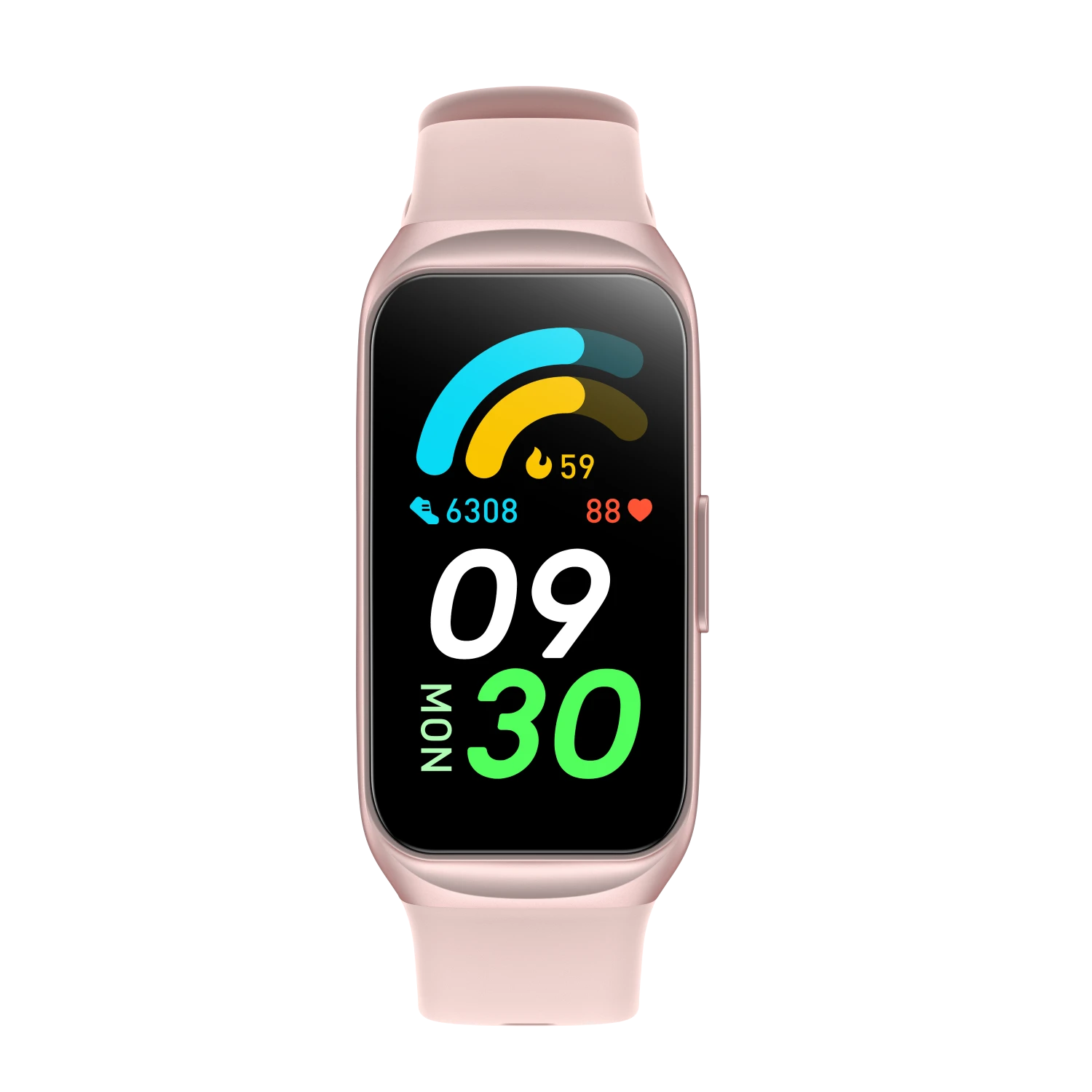
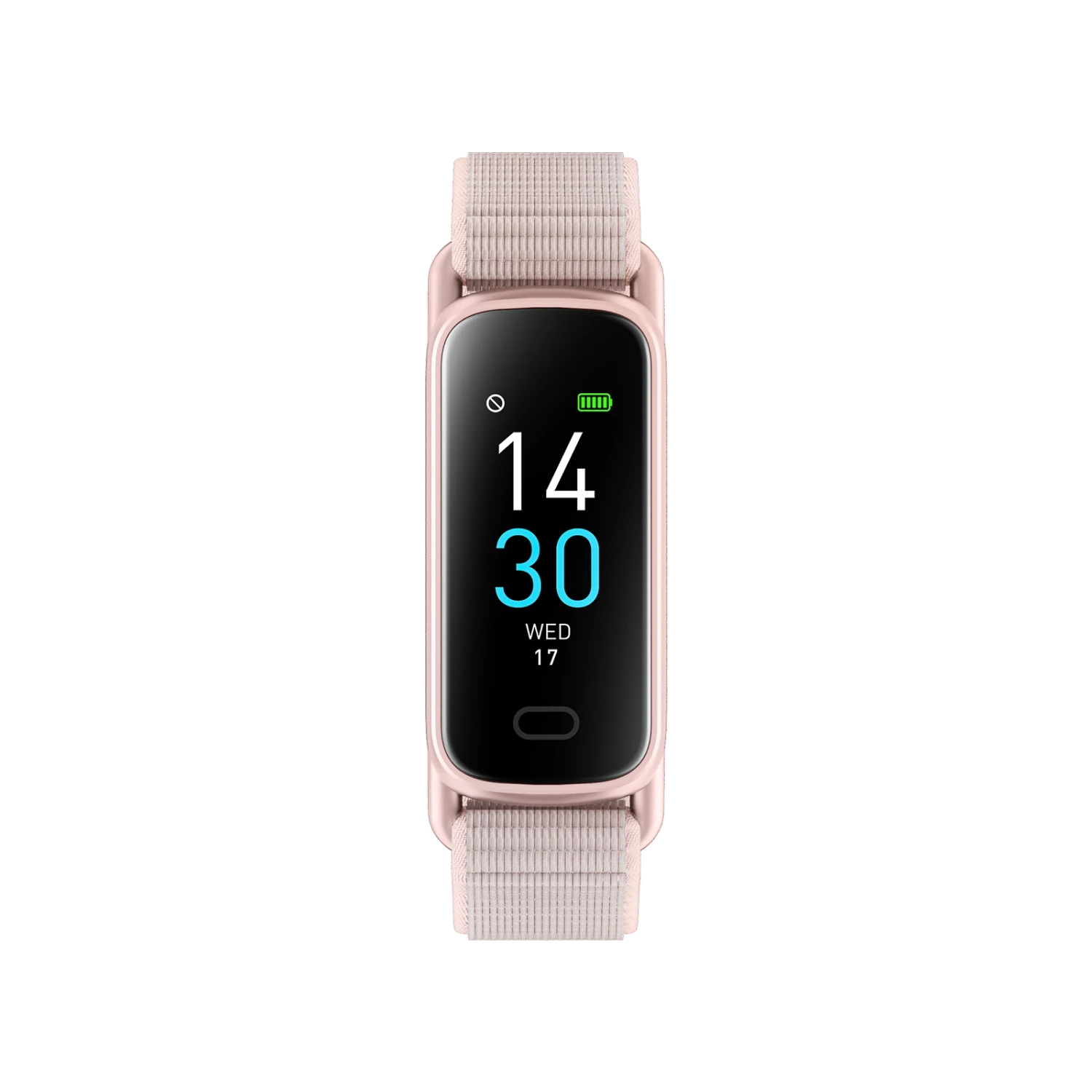
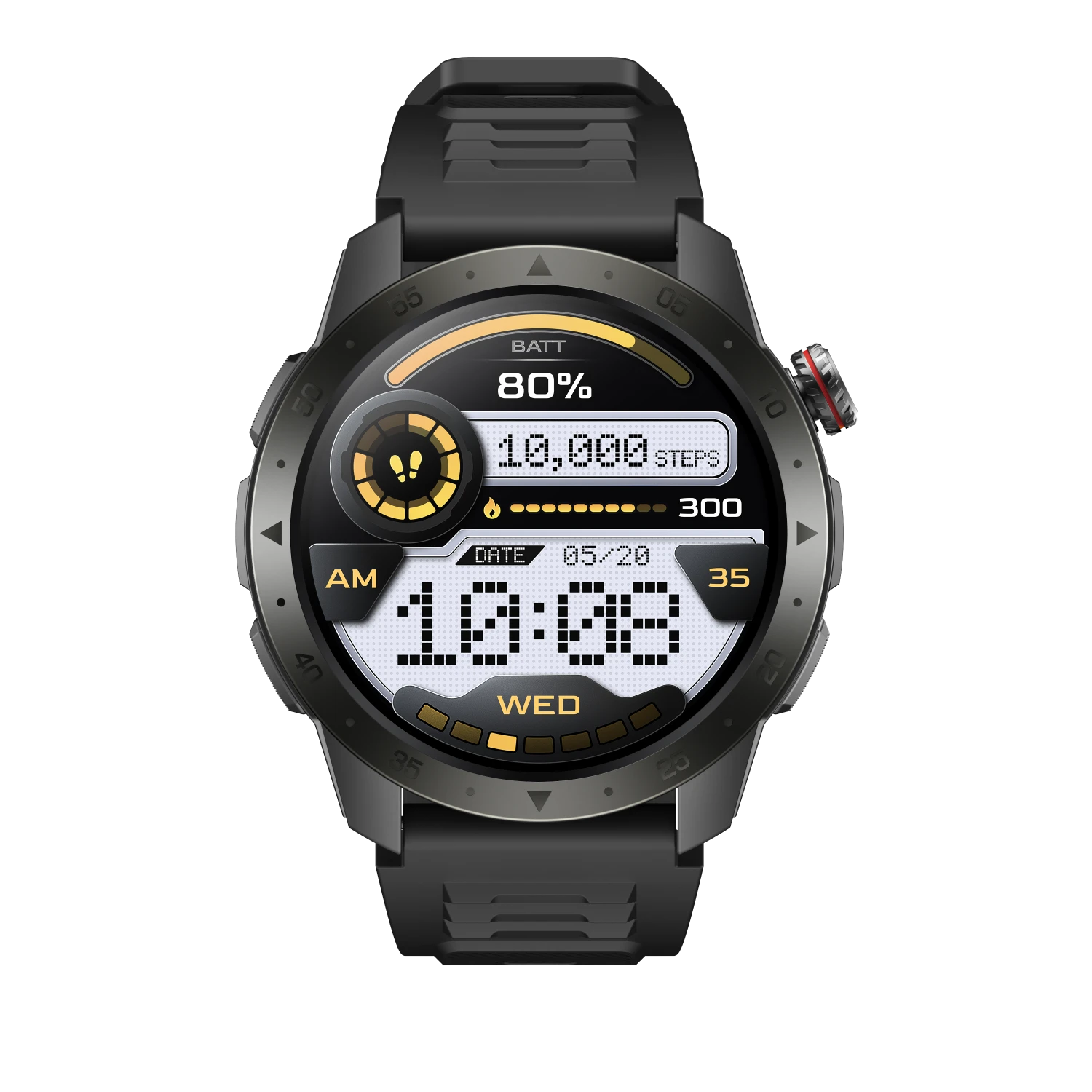
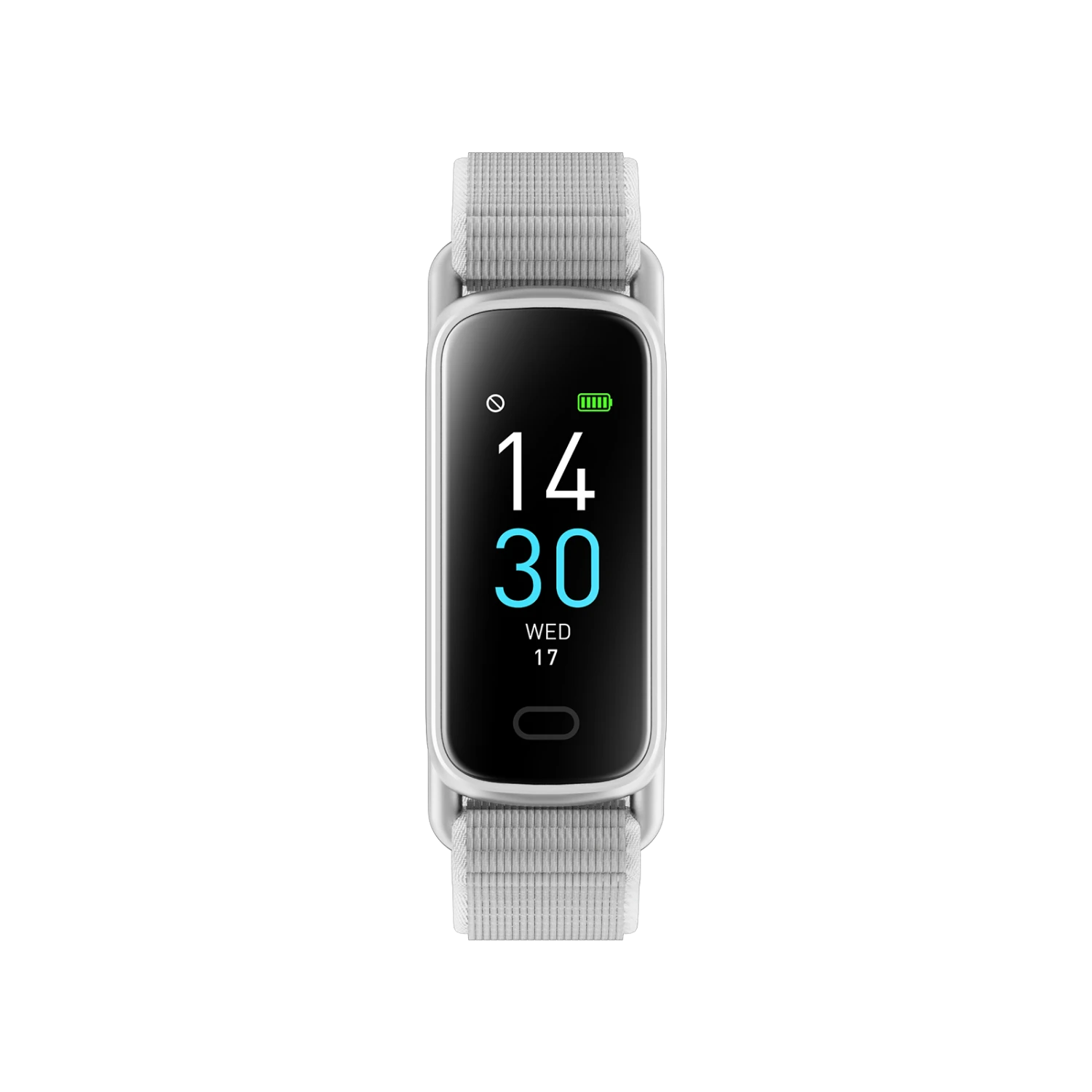
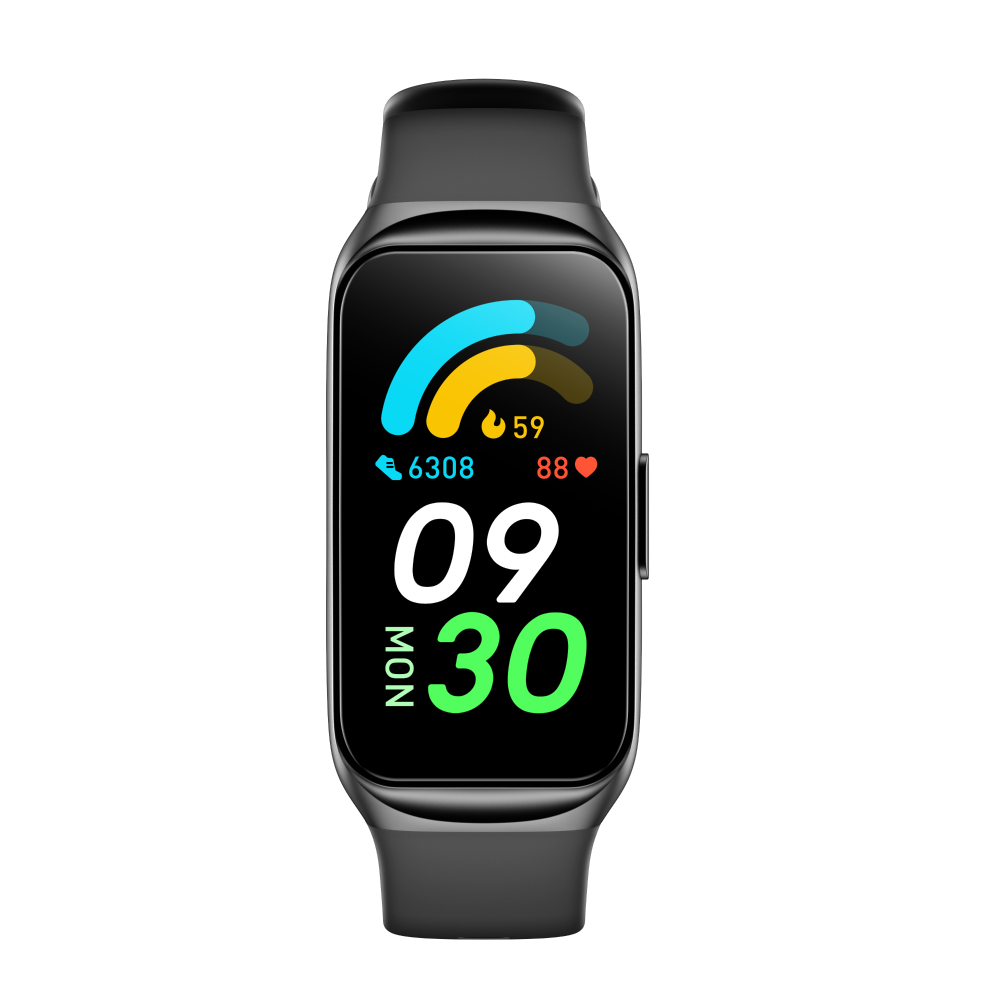
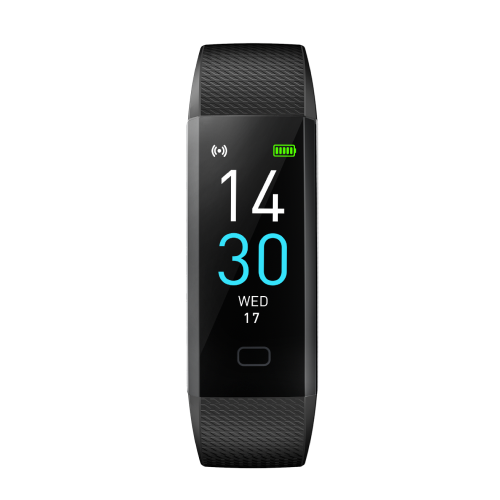
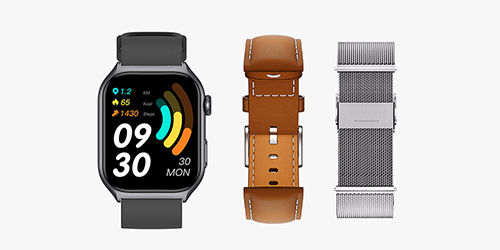
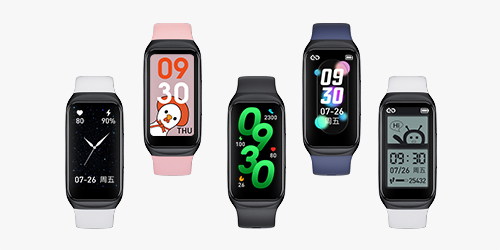
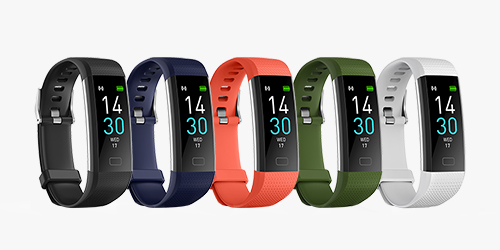
Sounds like a lot? That’s where your smartwatch can help. Get yourself a Runmefit fitness tracker and set a daily step goal, start with 4,000 and work your way toward 7,000 or even 10,000. The watch keeps count so you don’t have to. Whether you’re going to a coffee shop, walking the dog, or shopping at the supermarket, you can easily see your progress.
What Counts as "Too Much Sitting"?
Now you know how many steps can make a real difference. But what actually counts as “too much sitting”? Scientists often define sedentary behavior as activity less than 1.5 times your resting metabolic rate, lasting for 8 hours a day or more. In other words, if you spend 8 or more hours sitting with little movement, that’s considered sedentary. Even sitting for more than 2 hours straight raises risks.
Research shows something even scarier: once you’ve sat for those 2 hours, every extra 90 minutes raises your chance of heart disease by 44%.
The tricky part is, you don’t feel it happening. You get into work, scroll your phone, binge a show—suddenly hours are gone. When you feel back pain or uncomfortable, the damage has already begun.
If you rely on willpower, you’ll probably miss it. But with a smartwatch, you can set sedentary reminders to remind you to get up before the damage builds up. Here are 3 simple ways you can follow:


- Set a sedentary reminder every 90 minutes. When your watch buzzes, stand up, stretch, or walk for at least 10 minutes.
- Set a daily steps goal. If you’re just starting out, start small, maybe 4,000 steps. Once that feels easy, bump it to 7,000 or even 15,000.
- Set a weekly goal of 150 minutes of moderate activity. A brisk 10-minute walk (about 0.6 miles / 1 km) is enough, and your Runmefit will log it all—steps, distance, and calories.
Small nudges like these add up. Over time, they turn sitting hours into moving hours—and moving hours into healthier years.
My Tricks to Break Sitting
I sit a lot for work, and even when I get home I tend to sit again becasue I like doing some sewing and small tailoring projects in the evenings. Before I knew it, I had spent several hours without moving. Here’s what’s been helping me lately (and yeah, my Runmefit GTL2 fitness tracker deserves some credit for keeping me on track):
- Short walks after meals. Just a quick loop outside or around the office makes a huge difference. It helps me digest and keeps me from feeling sluggish.
- Water breaks that double as stretch breaks. I set hydration reminders and keep a big cup at my desk. This would prompt me getting up to refill the cup and go to the bathroom. Staying hydrated is nice, but honestly it’s the movement that helps most.
- Mini exercises during working. I set a sedentary reminder, and when it goes off, I stand up and do some squats, calf raises, and shoulder rolls. Nothing fancy, just a way to remind my body it’s still alive.


It sounds small, but those little reminders add up—I feel lighter, and I actually have more energy for the things I enjoy after work.
Simple Ways to Get More Benefits from Walking
Walking is something we all do, but I found a few small tweaks made it feel completely different—lighter, smoother, and healthier.
- Take slightly longer steps: Just a little more than my usual stride; it makes my legs work more.
- Keep good posture: When I stay upright and relax my shoulders, I feel less tension afterward.
- Use the talk test: If I’m a bit breathless but can still chat, I know I’m in the sweet spot.
- Build up slowly: I started with 10 minutes after dinner, and now I often walk 30 minutes without noticing.
- Warm up and cool down: A few minutes of slow walking before and after can protect my muscles and joints.
With my Runmefit, I can actually see these small changes: my pace, my steps, even my heart rate zone. It’s motivating to know when I’ve hit the brisk walking level doctors recommend.
Quick Self-Check
💡 You don't need to tick every box today. Start with one or two, and build from there.
Take Action
Walking more is simple. Staying consistent is the real challenge. Try Runmefit smartwatch and let it be your daily reminder to take that next step. It doesn’t just count steps; It keeps you accountable, celebrates milestones, and turns everyday movement into progress.
Want to know if you’re really walking enough? Check your daily steps on your Runmefit watch—and let it guide you toward a healthier routine. Ready to move more, sit less, and actually see your progress?