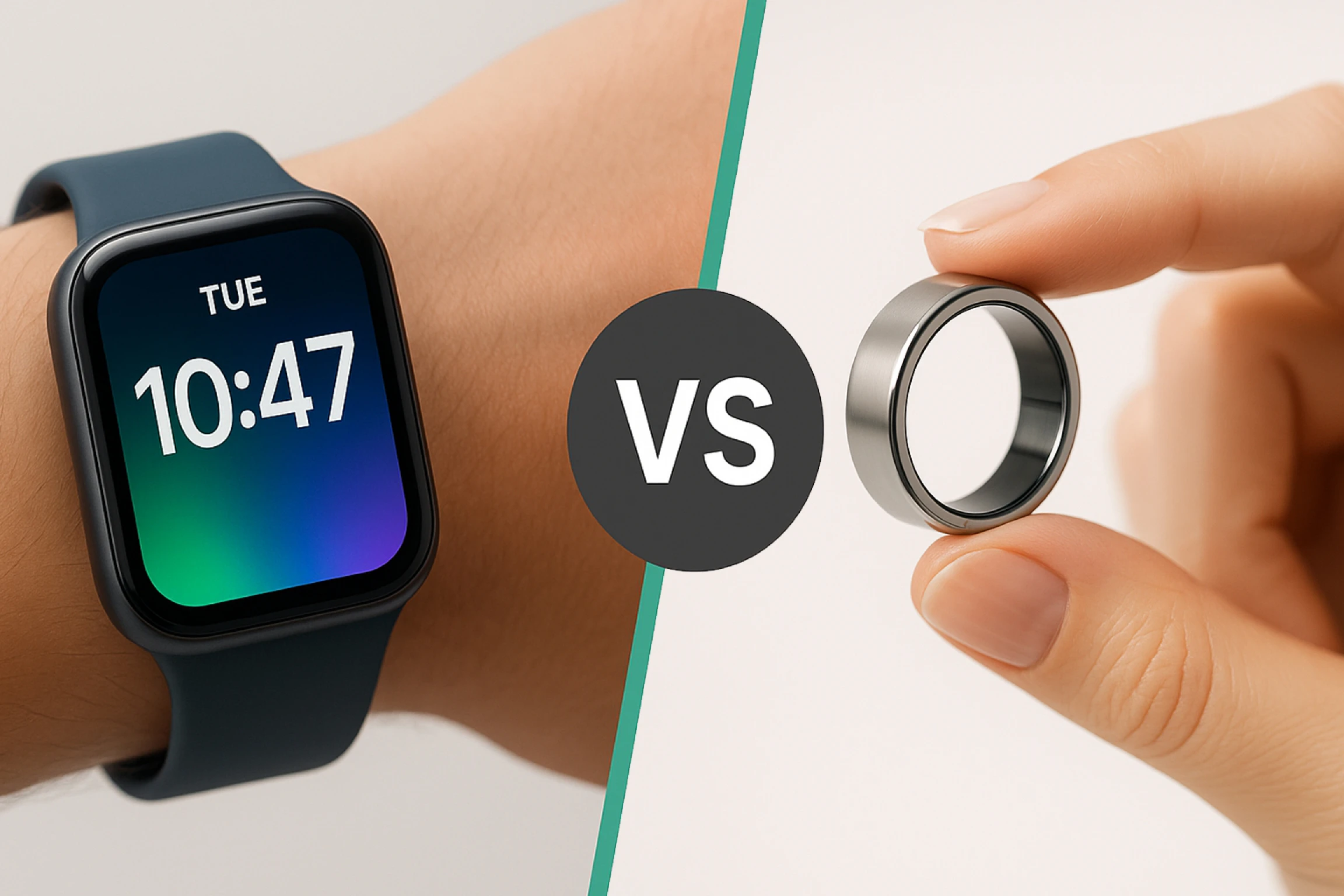
Wearable tech has come a long way—from basic step counters to wearable devices like smartwatch that track everything from sleep to stress. Wearable tech has come a long way. More and more smart rings are coming out, and the technology is improving fast. Samsung, for example, has added AI features to its latest smart ring.
So, when it’s time to upgrade your smart device, should you pick a new, small smart ring or a more advanced smart watch with many features? Let’s look at the main differences, their pros and cons, and what the future may bring.
Quick Match: Go with your first instinct—which lifestyle aligns with you?
The Minimalism
You prioritize 24/7 recovery and sleep data with a "barely-there" feel.
Explore Rings ↓The Performance
You need live workout stats, GPS, and smart notifications on the go.
Explore Watches ↓What is a Smart Ring?
A smart ring is small, sleek wearable device. It fit on your finger like a regular ring, but is pack with advanced sensors and microelectronics inside. Unlike bulkier wearables, smart rings focus on minimalist design and discreet usage, often blending seamlessly with fashion accessories.
It looks like regular jewelry, but don’t let the minimalist design fool you. These little rings can track sleep, activity, heart rate, and sometimes even stress levels and blood oxygen.
How a Smart Ring Works
Smart rings use built-in sensors like optical heart rate monitors and accelerometers. Some even include skin temperature sensors or tiny gyroscopes. These sensors collect data continuously, tracking vital health metrics like heart rate, sleep patterns, steps, and stress levels.
The ring gathers data throughout your day (and night), then syncs it with an app on your phone. These rings are designed for comfort, often weighing less than 5 grams, making them ideal for all-day wear. Just think of it as a mini fitness tracker wrapped around your finger.
How a Smart Ring Measures Your Heart Rate
A smart ring typically employs PPG sensors, using a small LED light shines into your skin and measures changes in light absorption as blood pulses through your finger. It’s the same tech used in many smart watches, just scaled down to fit your finger.
The small form factor ensures the sensor maintains consistent contact with the skin, providing reliable readings throughout the day and night.Despite their size, rings like the Oura Ring and Samsung Galaxy Ring offer surprisingly accurate heart rate and sleep tracking.
What is a Smart Watch?
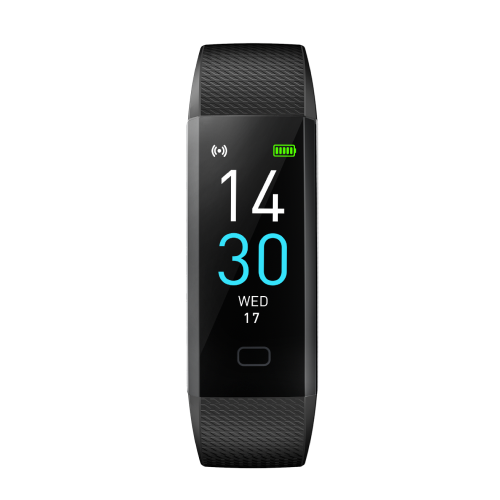
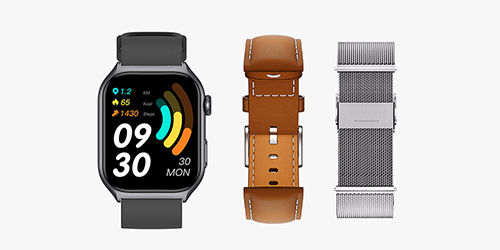
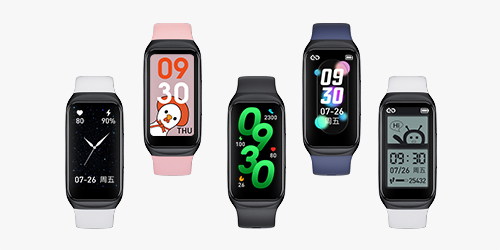
Smart watches are like tiny computers for your wrist. Beyond basic timekeeping, they also integrate functionalities like health tracking, notifications, GPS, music streaming, voice assistants, and app interactions. Whether it’s a full-featured smartwatch like the Apple Watch or a specialized fitness watch like Runmefit’s models, these devices are built to keep you connected and in shape.
How a Smart Watch Works
A smart watch uses a combination of sensors, a display screen, and a smartphone connection to track activity and deliver notifications. With larger screens and more powerful processors than smart rings, smart watches offer more interactivity and customization.
With advanced sensors like ECG, GPS, heart rate and blood oxygen sensor, smartwatch track your heart rate, steps, sleep, workouts, and sometimes even ECG or blood oxygen levels.
Most sync with your phone through Bluetooth, e-SIM, or Wi-Fi connectivity and can be customized with apps. There are even extensive interaction with notifications, calls, messages, and various apps directly from the watch interface.
How It's Different from a Smart Ring
The biggest difference? The form factor, features, and comfort.
- Smartwatches offer richer functionalities, larger displays, and more interactive experience, making them more versatile digital companions. You can use them to set alarms, check messages, or even answer calls.
- Smart rings, on the other hand, focus on simplicity, comfort and concealed wearability. In some cases, smart rings are more passive — they track and report data but don’t have screens or buttons.
Smart watches are much more than just health trackers. They serve as communication hubs, fitness coaches, and even mini productivity tools. While smart rings are more discreet and specialized, smart watches aim to be all-in-one devices.
Is a Smart Ring Better than a Smart Watch?
That depends on what you’re looking for.
If you want to track your sleep and heart rate without wearing a bulky device, a smart ring is a solid choice. It’s smaller and low-key, ideal for continuous wear and doesn’t scream “tech.”
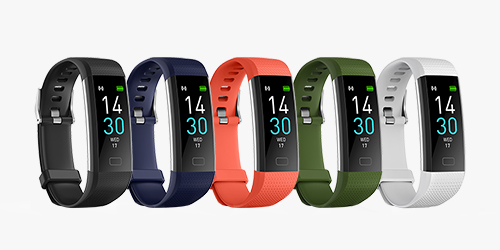
However, if you need more features—like GPS tracking, music control, or AI-powered coaching—a smart watch wins hands down. Some fitness watches, like those from Runmefit, offer detailed tracking with long battery life and a more rugged build, ideal for active users.
Pros and Cons of Smart Rings and Smart Watches
| Device | Pros | Cons |
|---|---|---|
| Smart Ring |
|
|
| Smart Watch |
|
|
Which is More Accurate?
| Feature | Smart Watch | Smart Ring |
|---|---|---|
| Heart Rate | High accuracy during all activity types | High at rest, less reliable during exercise |
| Step Counting | Generally accurate | May overcount due to hand movements |
| Sports Tracking | Precise data tracking with advanced sensor module and GPS support | Less precise, especially for distance, calories and exercise heart rate |
| Sleep Tracking | Very detailed and reliable | Very detailed and reliable |
For sleep and resting heart rate, smart rings often win. They stay snug and steady on your finger during sleep, which improves tracking accuracy. But when it comes to tracking workouts, calories, or stress levels throughout the day, smart watches usually provide a broader and more detailed picture.
Smart rings typically offer highly accurate heart rate and sleep monitoring due to continuous and consistent skin contact. Smartwatches, however, provide a broader spectrum of accurate tracking across activities, including precise GPS-based location tracking for fitness routines. Ultimately, accuracy depends on the specific metric being tracked.
Which Should You Buy in 2026: Smart Watches or Smart Rings?
Go for a Smart Ring if...
- Minimalist design is your priority.
- You focus mainly on sleep & heart rate.
- You prefer wearing regular jewelry.
- You want a discreet, "set and forget" device.
Choose a Smart Watch if...
- You need GPS, notifications & real-time stats.
- You enjoy AI-integrated health insights.
- You want to interact with apps on your wrist.
- You need a versatile tool for all sports.
Top-Pick Smart Watches 2026

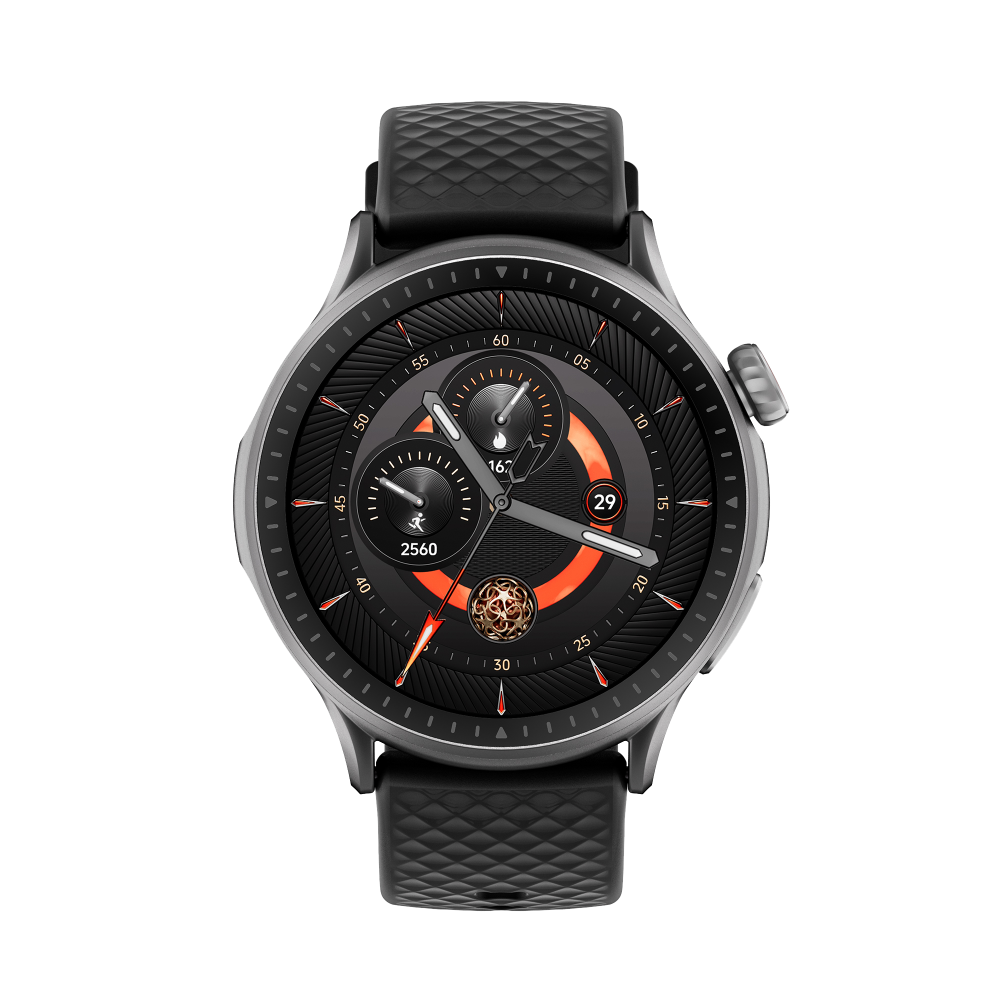
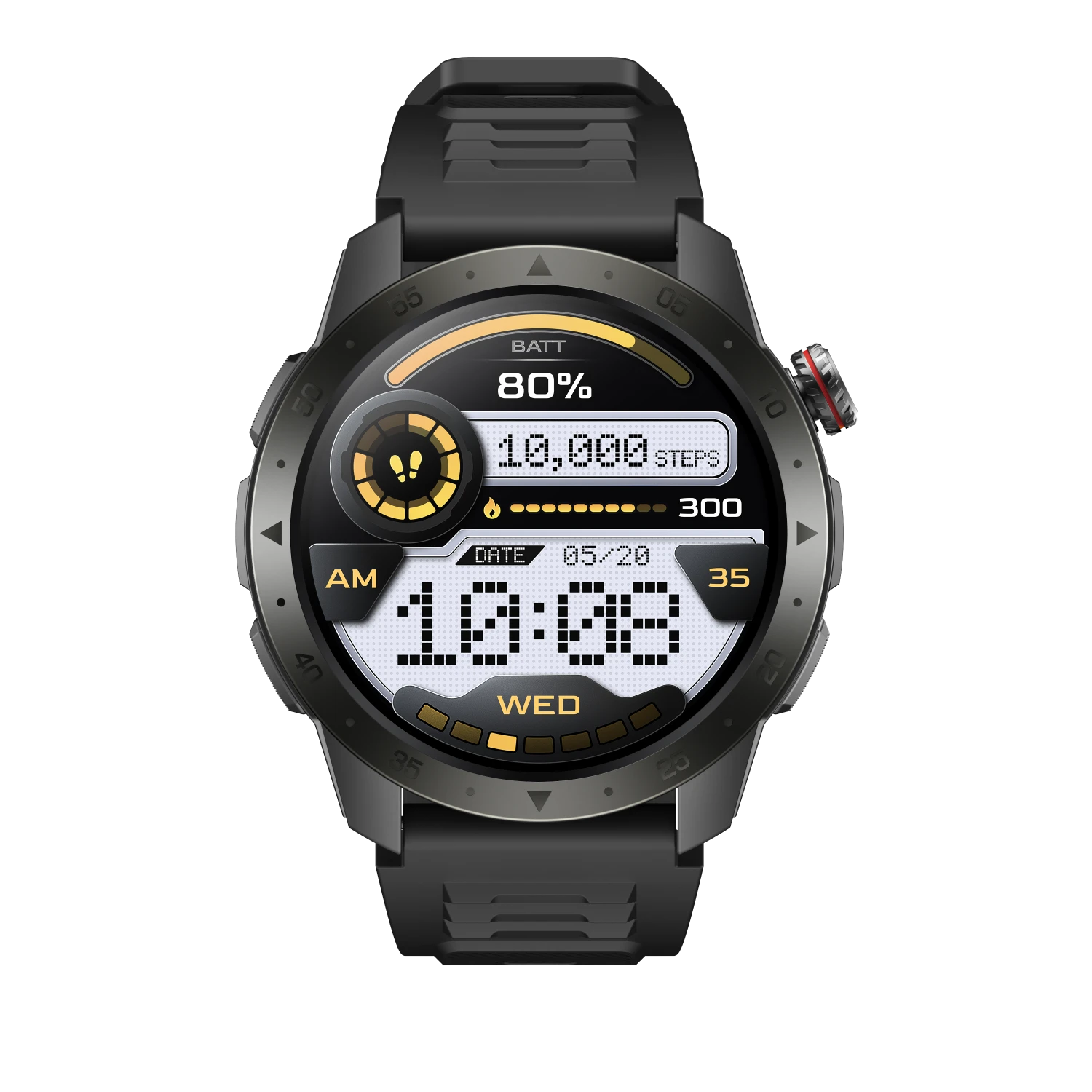
1.43-inch AMOLED running watch with steps counter, calories tracking, heart-rate & blood oxygen monitor, and AI in-depth analysis.
Best Health & Fitness Smartwatch 2026
Buy this if: You want a smartwatch for accurate running and sports performance tracking, and advanced health management.
Highlights: 1.43-inch HD AMOLED display, heart rate zone, smart notifications, 100+ sports modes, heart rate, AI sports analysis, and sleep monitoring.

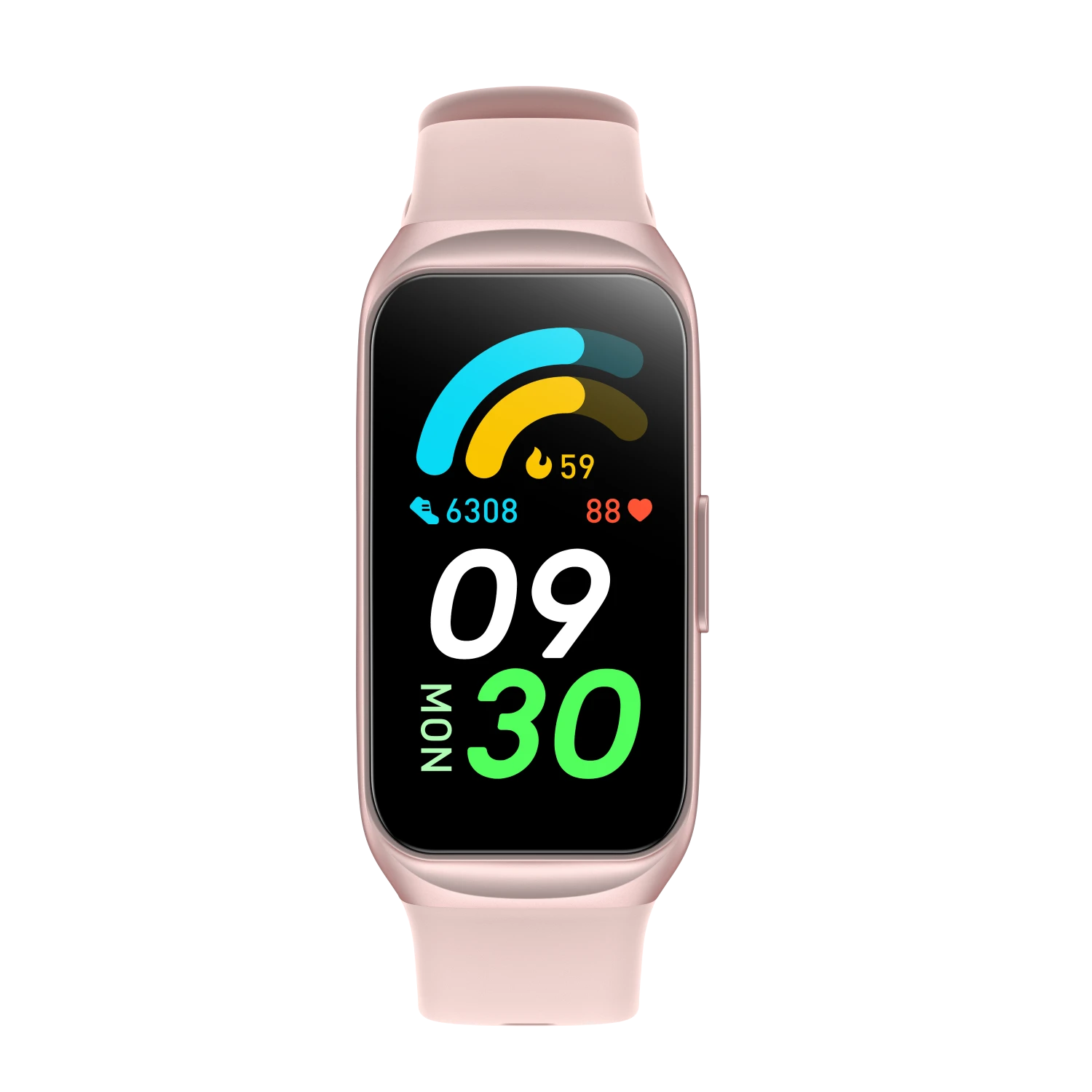
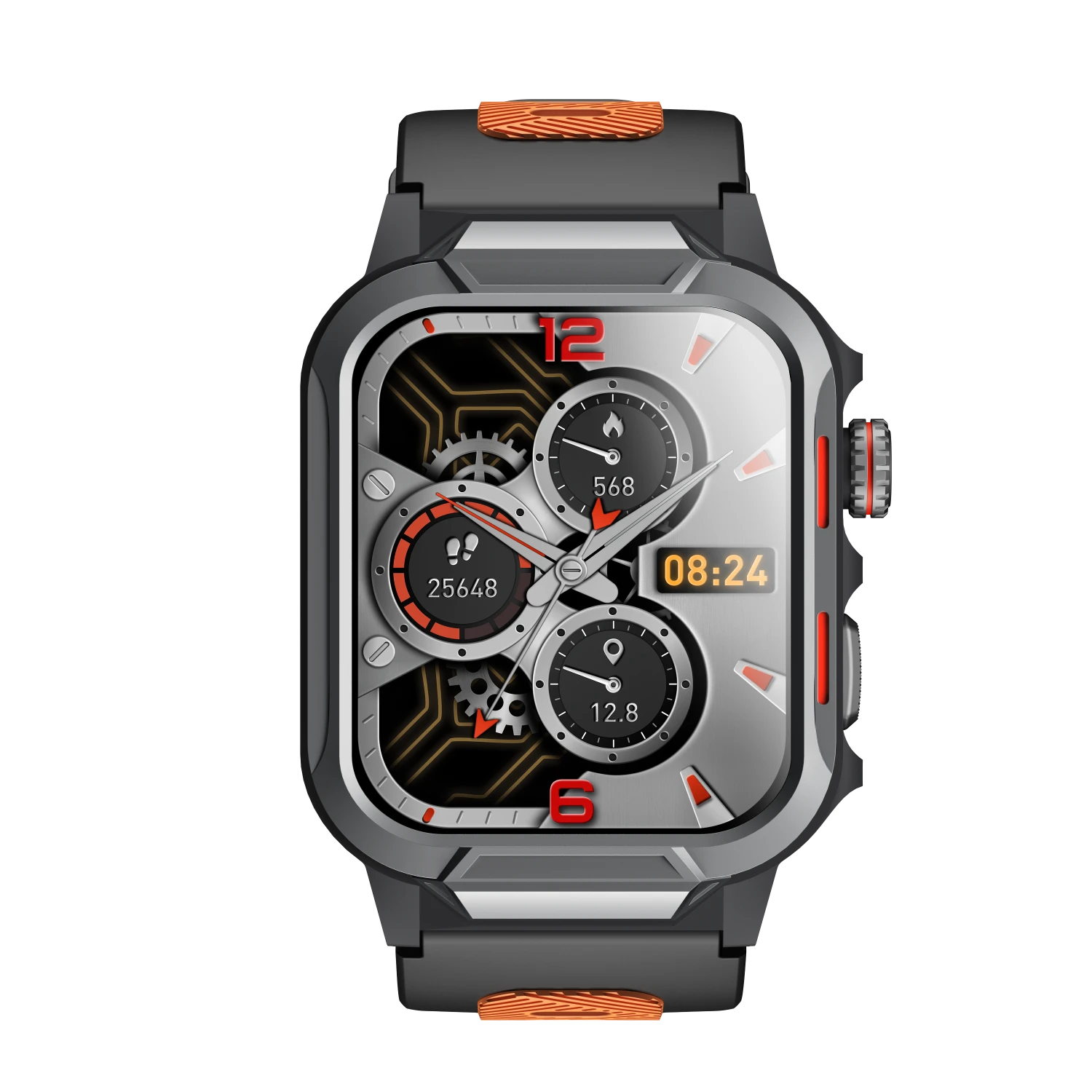
Lightweight performance running watch with precise data tracking, real-time heart rate zone,sleep and recovery analysis.
Best Running Smartwatch 2026
Buy this if: Advanced running performance tracking and detailed fitness insights are your priority.
Highlights: 1.43-inch AMOLED display, advanced bio-tracking sensor, precise pace and heart rate tracking, and personalized AI analysis for sleep and after-exercise recovery.

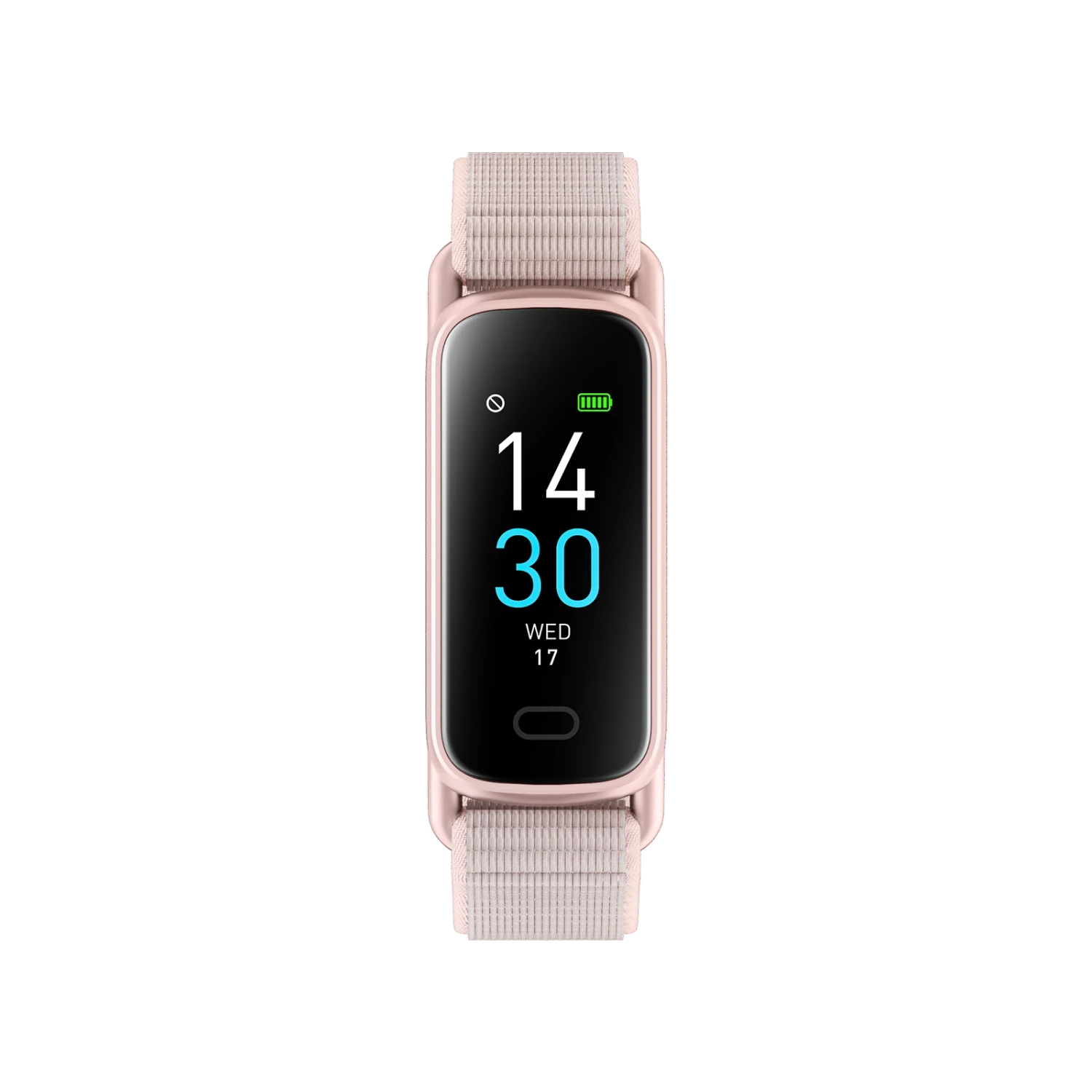
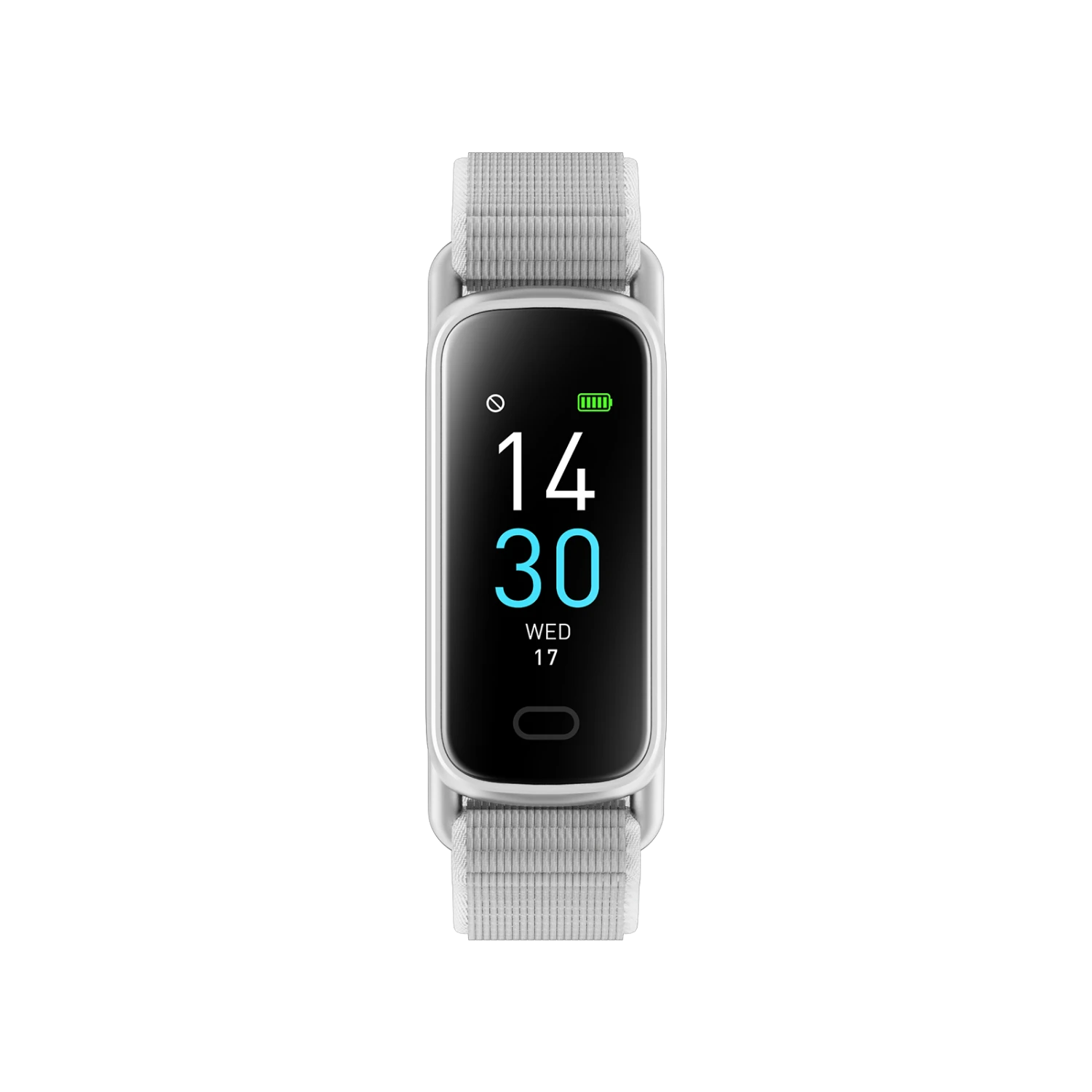
Lightweight performance running watch with precise data tracking, real-time heart rate zone,sleep and recovery analysis.
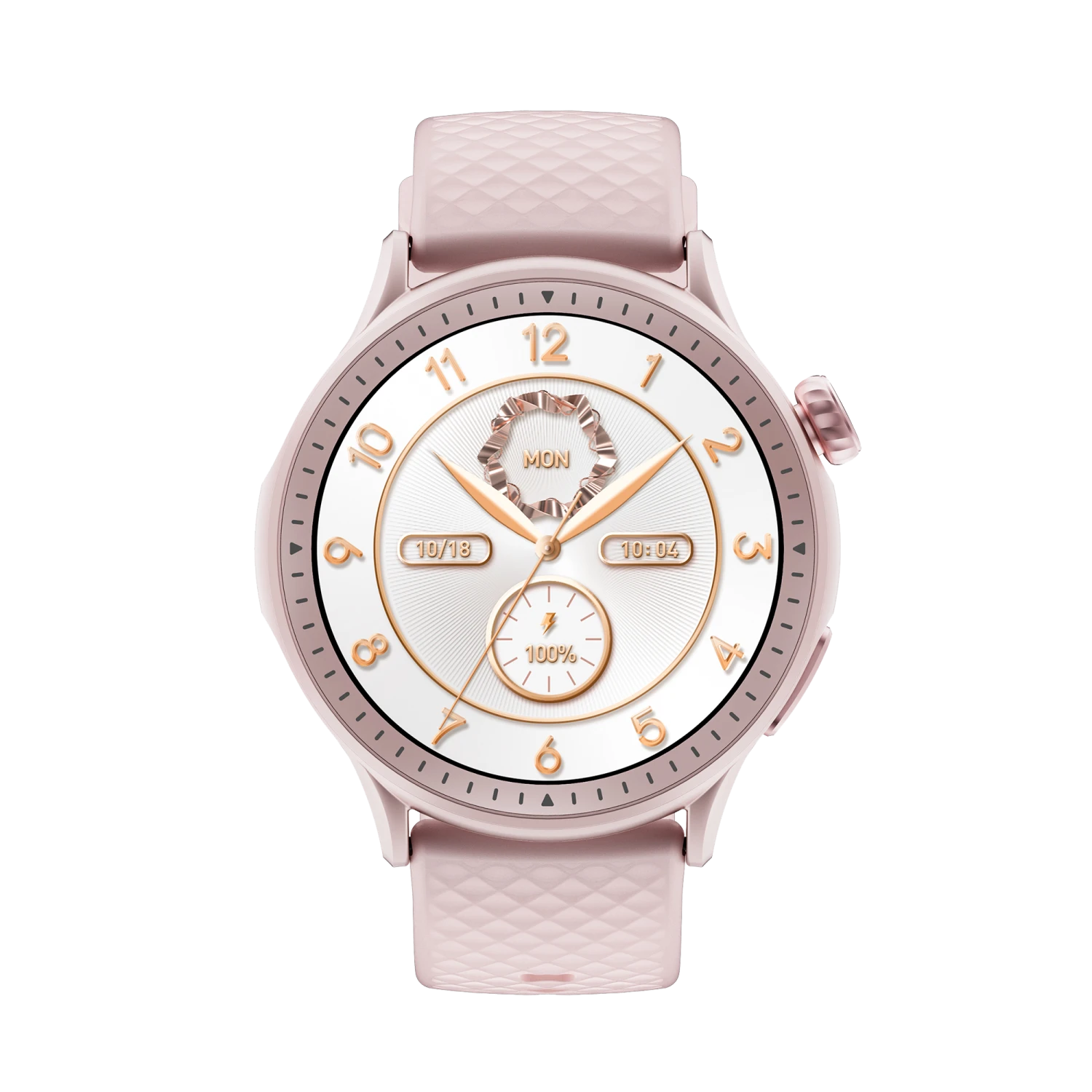
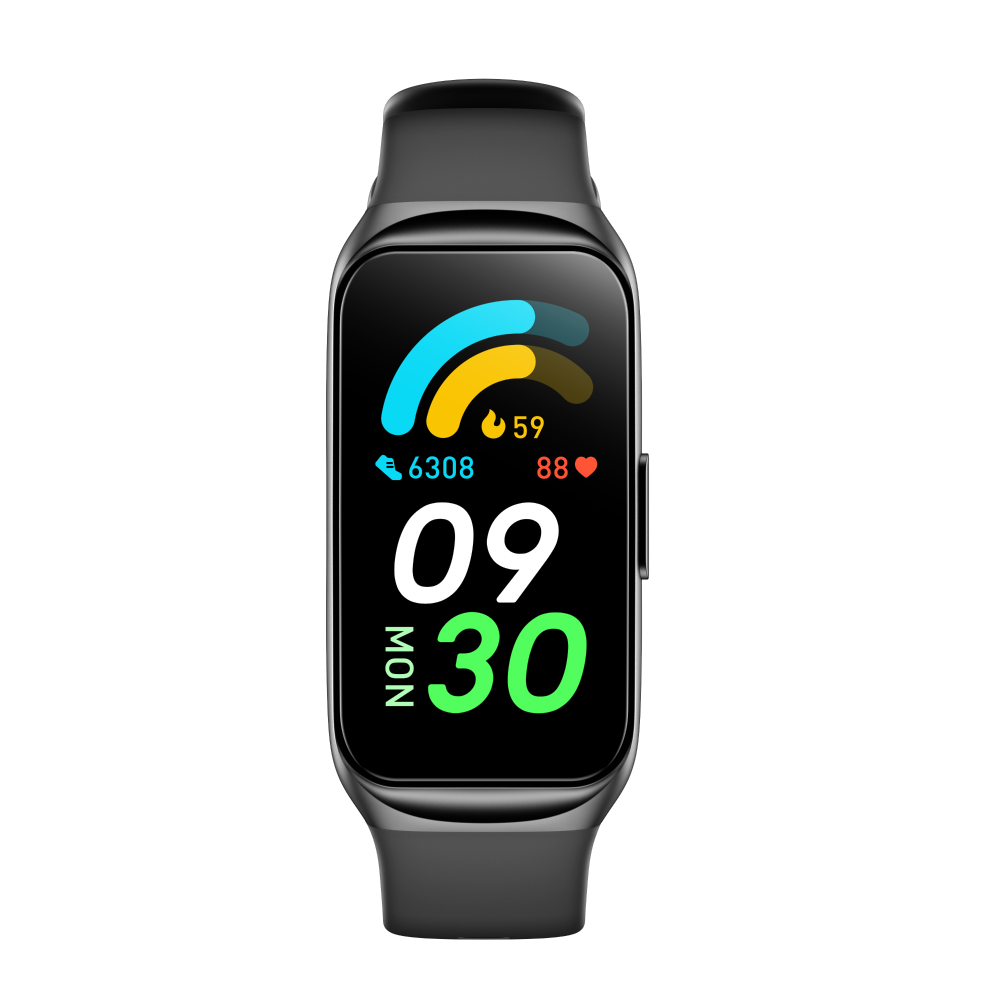
Best-selling Women’s Smartwatch
Buy this if:You’re looking for a stylish, all-in-one smartwatch that tracks your health and elevates your everyday style.
Highlights: 1.27-inch HD display, Bluetooth calling, smart notifications, 100+ sports modes, heart rate, blood oxygen tracking, and advanced sleep monitoring.
AI Integration & Future Trends
Looking ahead, smart rings and smart watches will use more AI. They will give better health insights, stress detection, and even early illness warnings
For example, Samsung’s Galaxy Ring is said to use AI for smart health insights, like tracking stress levels over time. Runmefit app already integrated AI-powered analysis to provide more personal and useful advice based on the data collected by Runmefit watches.
Final Thoughts
No matter what you pick, 2025 is looking exciting for wearables. More devices are becoming AI-powered and better at personalizing your fitness journey. Whether you’re team smart ring or smart watch, you’re getting a tool that can genuinely help you feel better and move more.
FAQ
Q: Should I wear both a smart ring and a smart watch at the same time?
By using the Runmefit App, you can sync data from your devices to create a more comprehensive and seamless picture of your overall health.
Q: Why choose a smart watch over a smart ring for fitness tracking?
- Real-time Monitoring: During a run or a gym session, you can glance at your Runmefit watch to see your current heart rate zone, calories burned, and elapsed time. With a smart ring, you often have to stop your workout and check your phone to see how you're performing.
- Proactive Coaching: Our watches support goal-setting and sedentary alerts. The ability to interact with your data while you are moving makes a smart watch a proactive fitness coach, whereas a ring acts more as a passive data logger.
Q: How accurate is the health data from Runmefit smart watches?
Heart Rate & SpO2: Our technology performs on par with leading smart rings and high-end wearables.
Beyond Just Numbers: Unlike rings that only provide data after syncing, Runmefit watches offer real-time, visual dynamic charts right on your wrist. This allows you to see not just the "what," but the "when" and "why" behind your health trends instantly.
Q: Does Runmefit offer better battery life than a smart ring?
Depending on your model and usage settings, a single charge can last for up to 15 days, significantly reducing "charging anxiety" and ensuring you stay tracked through long trips or busy work weeks.
Q: How do smart rings and watches measure my heart rate?
Q: Does skin tone or tattoos affect the accuracy of these wearables?
If you have tattoos on your wrist, wearing a watch on the other arm is an easy fix. Many smart rings are also affected by this, as they use the same light-based tech.
Q: Is it safe to wear these devices 24/7?
We recommend cleaning the back of your Runmefit watch and your wrist after exercise to prevent sweat irritation.